


Key Takeaways
- Make holiday meals healthy by planning ahead and prioritizing protein and veggies.
- Portion control techniques can help you stay on track without feeling overly restricted.
- Eating mindfully can help you enjoy your favorite foods with fewer glucose swings.
that {{mid-cta}}
This time of year brings comfort foods, festive appetizers, and delicious treats that help make this season feel special. On the flip side, it can also bring pressure to eat holiday food, concerns about weight gain, or the temptation to skip meals and then overindulge later. The good news? You don’t need to choose between a healthy holiday and enjoying your favorite dishes. With a few intentional habits, you can keep blood sugar stable, your energy high, and still savor all the holiday flavors.
Plan Ahead for Success

Walking into a holiday party or big family dinner without a plan is a recipe for overeating, fatigue, and glucose spikes. Instead of showing up unprepared, set yourself up for success with a few simple strategies.
1. Review the menu ahead of time.
If you know what’s being served, you can identify glucose-friendly options like high-fiber veggies and healthy protein. Even when you're not cooking and don't have control over the menu, most tables include foods like roasted vegetables, salads, or proteins that can balance your plate.
2. Consider a protein or fiber-rich pre-meal.
Showing up starving is one of the fastest ways to overindulge in high-carb holiday foods like mashed potatoes or cookies. A quick snack with protein and fiber (think Greek yogurt with nuts or berries) can help slow glucose absorption and prevent spikes.
3. Bring a healthy dish.
If you’re unsure what will be served, bring something you're proud of. Roasted veggies or a colorful salad are always a hit this time of year. This way, you’ll ensure there’s at least one balanced option and help others enjoy healthy holiday eating too.
Portion Control and Food Pairing
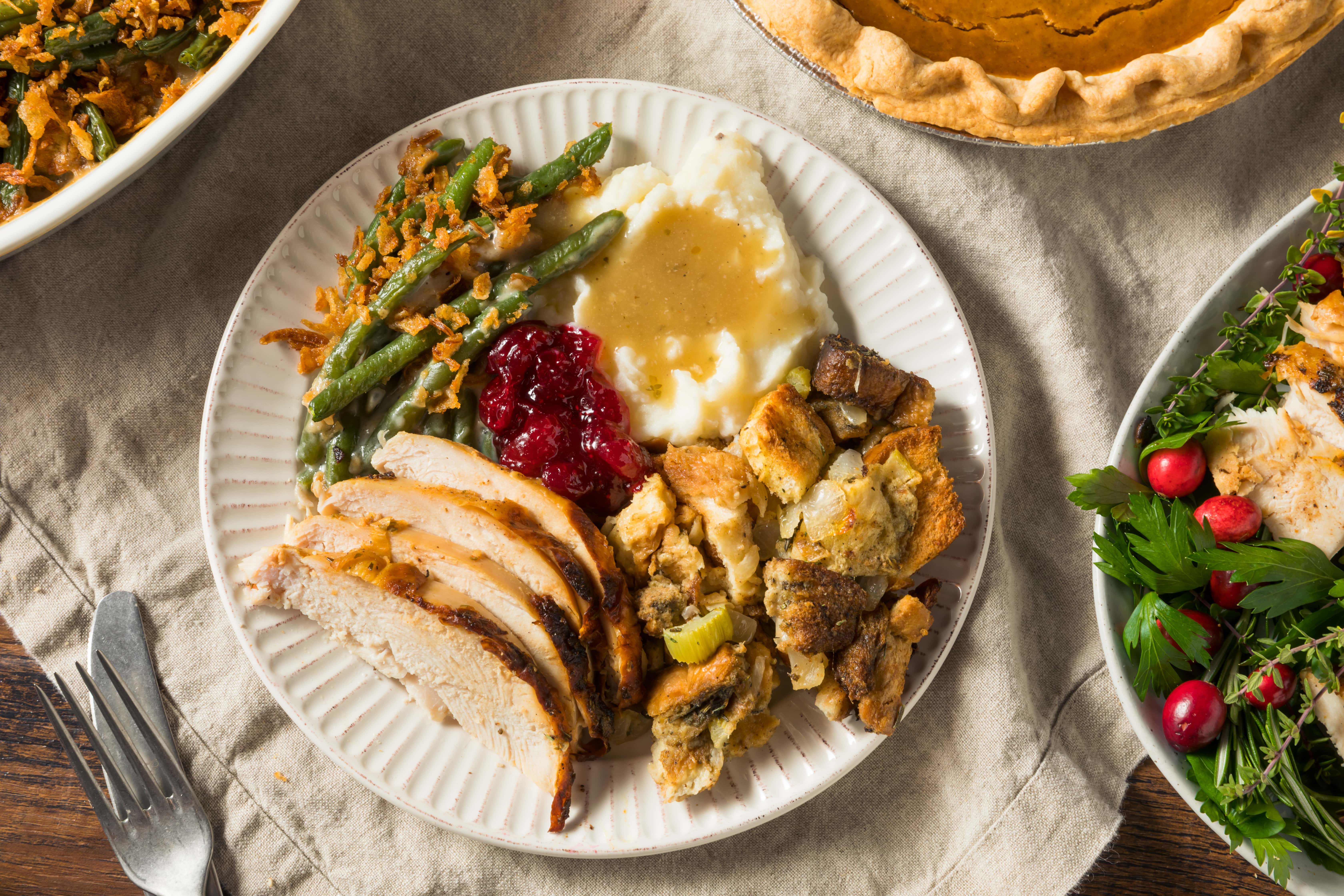
You don’t need to count calories, macros, or use smaller plates to stay on track. Instead, use these tips to enjoy your holiday favorites without overdoing it.
Portions:
- Protein: At least the size of your palm.
- Starches: No bigger than your fist, and limit one starch per meal (e.g, if you're excited about the sweet potatoes, then skip the stuffing).
Pair Carbs with Protein, Fiber, and Fat
Foods like mashed potatoes, stuffing, or desserts can be part of a healthy holiday. The key is pairing them with protein, fiber, and healthy fats, which helps reduce post-meal glucose spikes. For example, a piece of cornbread alone will have a different effect on blood sugar than eating it alongside a serving of pecans or walnuts.
Strategic Meal Sequencing
The order in which you eat can significantly impact blood sugar and satiety.1
1. Start with protein and veggies.
Eating protein and vegetables first has been shown to slow carbohydrate absorption and reduce post-meal glucose elevations. Try filling half your plate with veggies and lean protein, then add your starches and sweeter dishes.
2. Spread indulgences throughout the day.
Instead of eating all your favorites at one meal, enjoy some at the lunchtime holiday party and another at dinner. Spacing out treats reduces the glucose load and prevents that “post-holiday crash.”
3. Pair carb-heavy items with low-glycemic sides.
Choose simple roasted veggies over creamy casseroles, or add a glass of water or seltzer between courses. These small choices help buffer excess calories and stabilize glucose levels.
Mindful Eating Practices

Mindful eating is one of the most evidence-backed ways to prevent overeating, improve digestion, and regulate glucose responses.2
1. Eat slowly and savor your food. Taking time to enjoy your meals supports optimal digestion, enhances flavor, and improves feelings of satiety.
2. Honor hunger and fullness cues. Pause halfway through your plate and check in with your body. Are you still hungry? Are you comfortably full? This simple check-in prevents overindulging and honors your body’s natural cues.
3. Reduce distractions when possible. Screens, conversations, and general holiday chaos can make it easy to overeat. Focus on the textures, flavors, and aromas of your food. Even at a holiday party, pausing to breathe and tune in may help regulate appetite and, in turn, support glucose levels.
Using Signos to Stay on Track

Signos gives you real-time data so you don’t have to guess how your body responds to holiday eating.
Monitor your glucose during festive meals. See in real time how foods like stuffing, eggnog, or appetizers affect your blood sugar. This helps you make smarter choices without feeling restricted.
Spot patterns and combinations that keep you balanced. Maybe your body handles mashed potatoes better with extra veggies or protein, or perhaps certain desserts create a larger spike. CGM data makes these patterns crystal clear, so you can make the right adjustments.
Adjust your choices for better energy and wellness. Signos empowers you to enjoy the holidays without guilt, helping you understand which healthy snacks, food orders, and portion sizes help you feel your best throughout this time of year and into the new year.
The Bottom Line
A healthy holiday doesn’t mean avoiding the foods you love. With mindful planning, balanced portion sizes, smart sequencing, and Signos insights, you can enjoy your favorite holiday treats without sacrificing energy or blood sugar control. This year, you’ll have what you need to savor the season and stay on track with your health goals.
Topics discussed in this article:
References
- Shukla AP, et al. Food order has a significant impact on postprandial glucose and insulin levels. Diabetes Care. 2015;38(7):e98–e99. doi:10.1016/j.jada.2009.05.006
- Framson C, et al. Development and validation of the Mindful Eating Questionnaire. J Am Diet Assoc. 2009;109(8):1439-1444. doi:10.1016/j.jada.2009.05.006

.svg)








.svg)
.svg)
.svg)
.svg)
.svg)
.svg)
.svg)
