


Key Takeaways
- Small, frequent bites can add up during the holidays, leading to higher glucose levels and energy highs and lows.
- Being intentional with snacks and pairing carbs with protein or fat can help keep blood sugar steadier throughout the day.
- Signos gives you a clearer sense of how your body responds to holiday grazing, so you can enjoy the season without the blood sugar roller coaster.
that {{mid-cta}}
If there's ever a time of year when mindless snacking can really sneak up on you, it's the holiday season. From candy dishes to potlucks with loved ones and holiday parties, food is everywhere this time of year. And while you may think "just a bite" won't matter, it adds up at the end of the day, especially when the foods are high in carbohydrates. If you're constantly grazing, your blood glucose levels remain elevated, leaving you feeling drained and hungrier, despite all-day snacking. Keep reading to learn strategies to support stable blood sugar levels during the holidays, so you can enjoy the festivities without the blood sugar rollercoaster.
The Science Behind Grazing

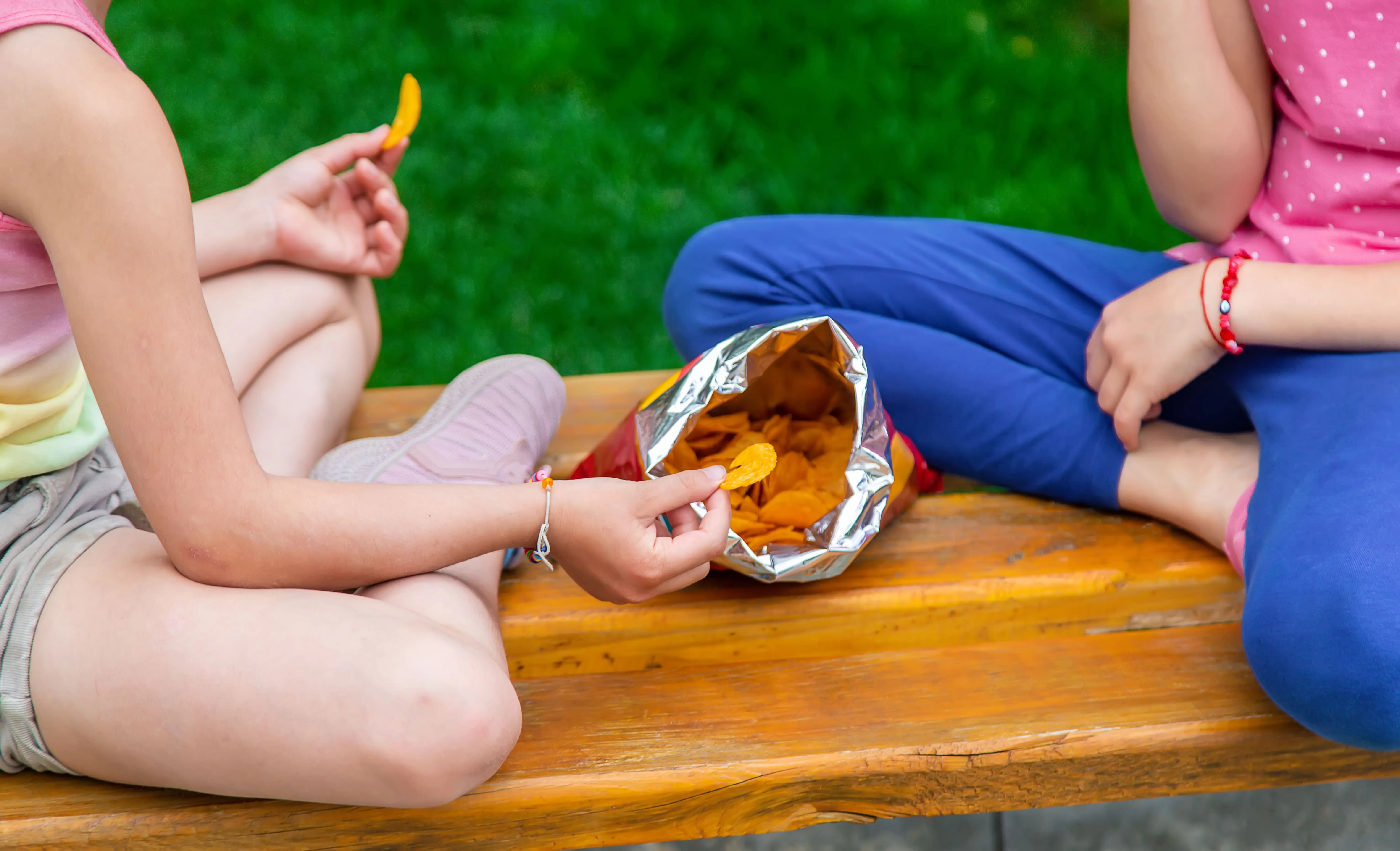
Even tiny bites raise glucose, and when those bites stack close together, glucose doesn't fully settle before the next rise begins. Over a few hours, this creates a layered effect; small bumps that add up to significant blood sugar spikes.
Insulin responds to each of those bites, too. Frequent snacking keeps insulin active longer, which can make glucose regulation a little messier and often leaves you feeling hungry again sooner than expected.
Repeated grazing doesn’t only affect glucose and insulin: research also shows it affects how much you eat overall. In fact, a study found that grazing, defined as the repetitive eating of small amounts of food, significantly increases daily caloric intake and is associated with poorer dietary quality, especially when snacking occurs in the evening.1
The pattern of grazing also affects more than numbers on a CGM graph. Repeated glucose lifts and dips can leave you with uneven energy, irritability, or that vague "foggy" feeling. Hunger cues can get thrown off as well, since constant insulin activity makes it harder to recognize when you're actually full.
3 Common Grazing Traps During the Holidays
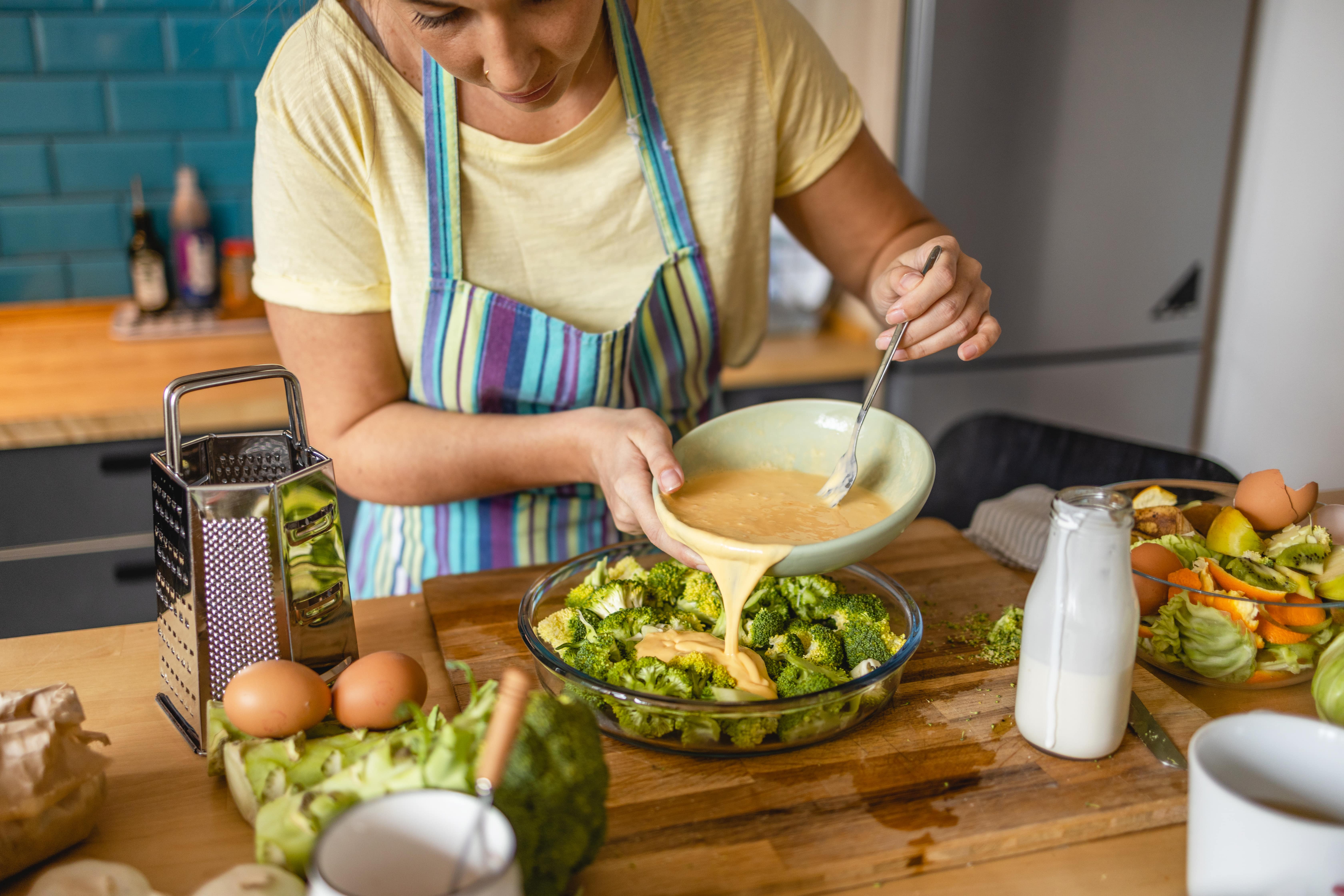
The holidays create plenty of opportunities to snack without really noticing it.
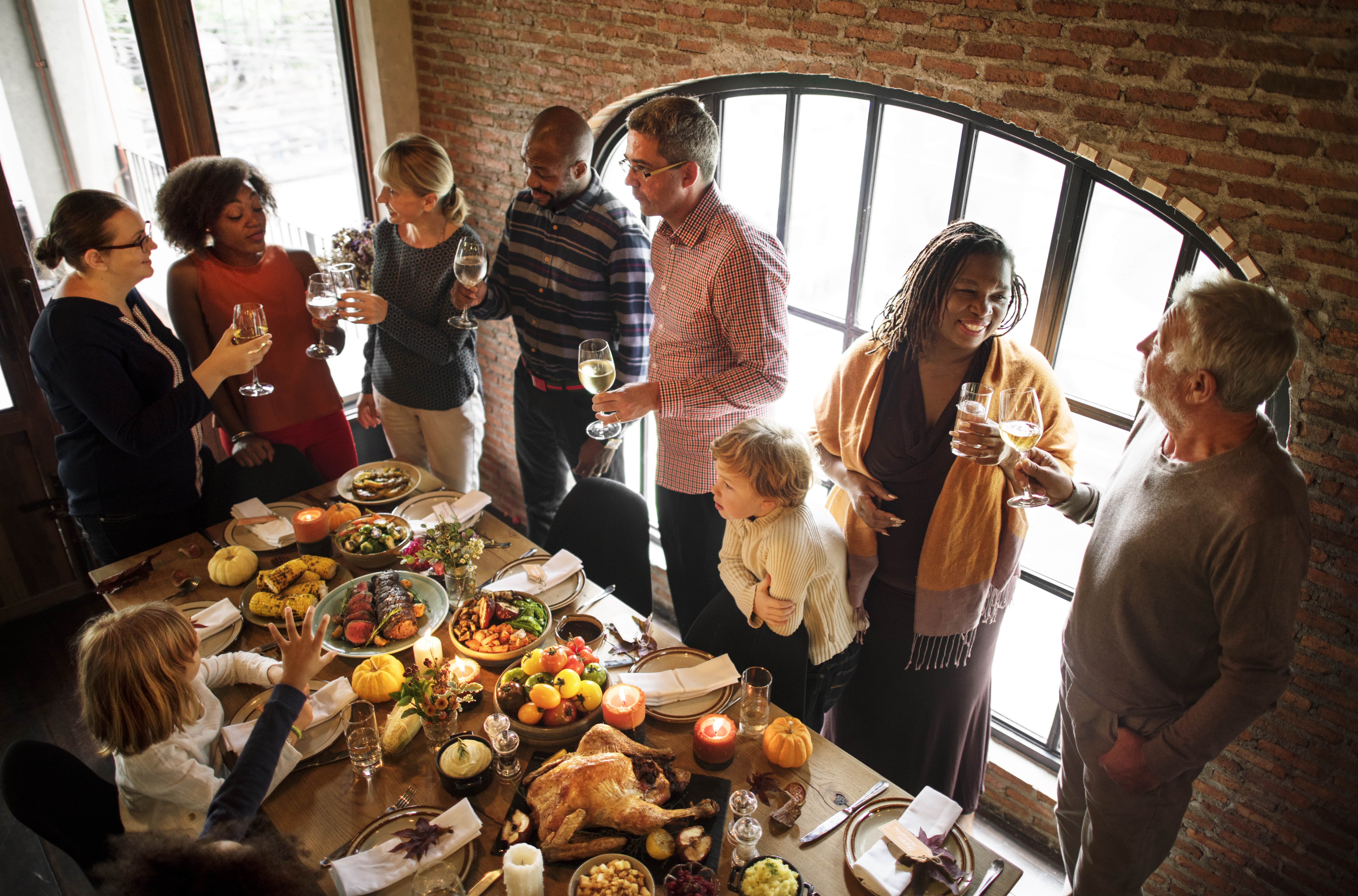
Appetizers are a big one, especially the kind you grab while making your rounds at a party. A few crackers here, a couple of slices of salami there, and a handful of party mix. It all adds up over a few hours.
Cooking a holiday meal is another surprisingly common trap. Tasting as you go is totally normal, but those quick spoonfuls of potatoes or little pieces of bread "just to check the seasoning" often slip under the radar.
Desserts and other sweet treats are also easy to overindulge in. You may not sit down with a whole slice of pie, but trying a corner of this and a bite of that can end up being the equivalent of a full serving or more. Because each taste is so small, it rarely registers in your mind as eating, but your glucose responds to every single one.
Strategies to Minimize Metabolic Impact

- Add long-lasting energy to your snacks. If you're reaching for carbs, pairing them with a little protein or fat makes a noticeable difference. A few nuts, a slice of cheese, or even a spoonful of something creamy slows the release of carbs into your bloodstream so they don't hit your bloodstream all at once.
- Snack on purpose, not out of habit. It helps to pause for a second and make conscious decisions about what you're eating. Be intentional about what you're snacking on. Check in with yourself to assess hunger and fullness before reaching for something just because it's there. Research shows that grazing, especially when unplanned or in the evening, tends to lead to higher total calorie consumption and poorer dietary quality.1
- Take a quick scan before you fill your plate. Buffets and holiday spreads can be overwhelming, but taking 10 seconds to plan ahead and look around usually leads to more mindful food choices. Balanced meals that include lean proteins, fiber, and fat slow digestion and delay the release of glucose into your bloodstream. Prioritize protein- or fiber-rich foods (think non-starchy vegetables and whole grains), and practice portion control with foods high in carbohydrates and saturated fat, such as mashed potatoes, candied yams, or pumpkin pie.
- Create a small "anchor" when you know you'll be grazing. A handful of veggies, a few olives, or something with healthy fats can keep your hunger cues from bouncing around while you're snacking on more sugary foods.
- Stay active. Before you sit on the couch to watch the football game, get out for a walk after dinner. Physical activity helps your body process glucose more efficiently, which can help lower blood sugar back into the normal range. What's even more helpful is to stay on track with your normal exercise routine throughout the holiday season. Many people fall out of their routines during the holidays, but if you prioritize staying active, your blood sugar will thank you.
Using Signos to Understand Your Grazing Patterns

It can be hard to know how much grazing actually affects you in the moment; half the time, you don’t even remember all the snacks you grabbed. But with Signos, those little bites suddenly tell a clear story. Real-time glucose data, paired with color-coded graph feedback, helps you see how each “just a taste” impacts your glucose curve. Sometimes a tiny bite spikes you more than expected; other times, a sugary treat barely nudges your levels because of what you ate earlier or how active you were.
Signos’ continuous glucose tracking makes it easy to spot patterns over a few days of holiday gatherings. Features like real-time actionable suggestions and the Weekly Insights report highlight which foods (and which grazing times) make it harder for your body to stay in the optimal zone. That context helps you make smarter decisions before your next party or family meal.
You can also run simple experiments to understand your grazing habits more clearly:
- Food pairing test: Compare a sugary treat alone versus pairing it with protein or fiber.
- Order-of-eating experiment: Eat the same foods but swap the order: protein/veggies first vs. carbs first.
- Movement micro-bursts: Check how a 5–10-minute walk after grazing affects your next glucose reading.
- Timing insight: Try grazing earlier in the day rather than later in the evening, and review the glucose response.
- Snack swap trial: Test two similar snacks (e.g., cheese and crackers vs. trail mix) to see which keeps you in the purple zone.
It’s not about cutting out holiday foods; you don’t have to avoid the cheese board or skip the dessert table. Signos simply gives you visibility into how your body responds so you can enjoy the spread without ending the night feeling foggy, drained, or spiking. The feedback becomes another tool to help you feel good now and long after the holidays.
Learn More With Signos' Expert Advice
If you want to go a little deeper into how a continuous glucose monitor (CGM) can improve your health, Signos has plenty of articles and tips that break things down in a way that actually makes sense. The more you read, the easier it gets to connect what you feel with what your body's doing behind the scenes.
Topics discussed in this article:

.svg)





.svg)
.svg)
.svg)
.svg)
.svg)
.svg)
.svg)
