

Key Takeaways
- Add a twist to your low glycemic holiday leftovers this year by trying different low-carb Thanksgiving ideas.
- Reheating leftovers benefits your blood glucose.
- Use our formula with your leftovers to create blood sugar-friendly meals.
that {{mid-cta}}
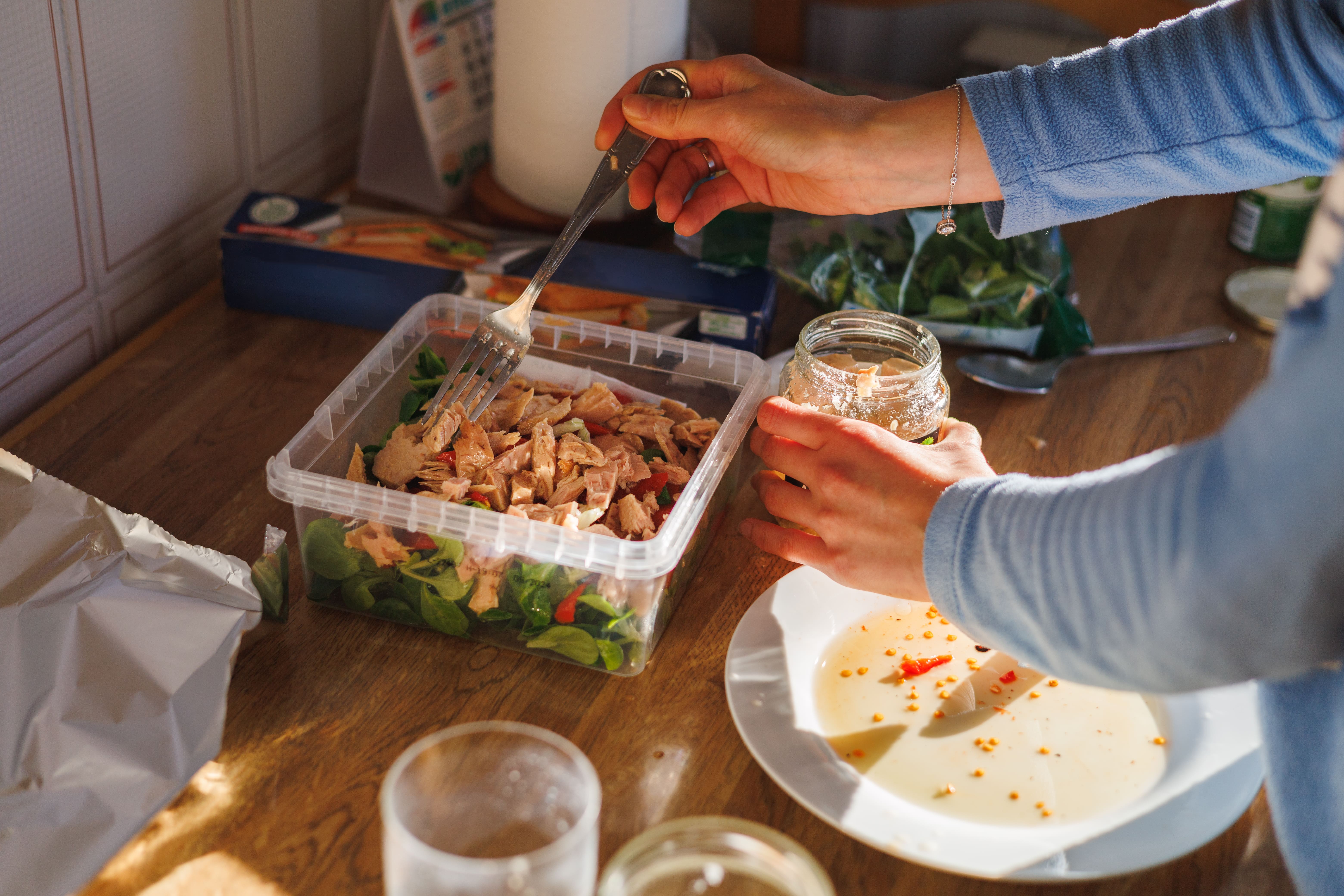
Leftovers can be either a post-holiday blessing or a blood sugar trap. But with a few smart swaps, you can turn your Thanksgiving extras into balanced, low-glycemic meals that give you energy.
Learn more about how to make low-glycemic holiday leftovers, as well as meal prep tips and the role Signos can play in personalizing your leftovers.
Why Leftovers Often Spike Glucose
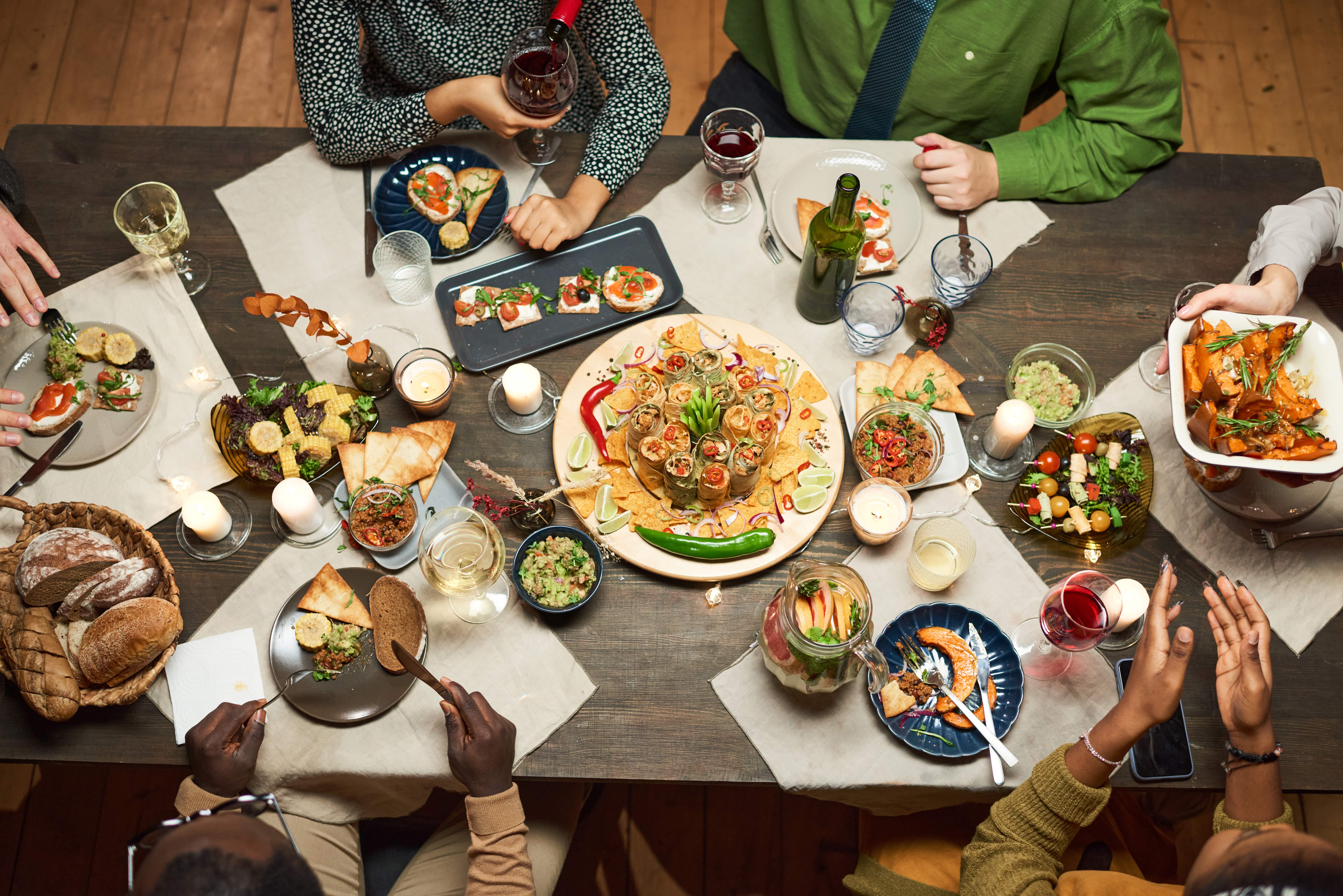
Extra food from the holidays can raise blood glucose levels. Typical dishes contain refined carbs and added sugars, which are digested quickly and can increase blood glucose levels quickly as a result. However, reheating methods can positively affect blood sugar levels.
Resistant starch, also called dietary fiber, can be increased in carbohydrate-containing foods by heating them. Fiber helps keep blood sugar steady. An analysis of several studies found that microwaving various starchy foods, including rice, potatoes, and lentils, significantly increased the amount of resistant starch.1
Meal frequency should be considered as you enjoy low glycemic holiday leftovers. Research has shown that eating three meals per day is associated with better fasting blood glucose and morning glucose tolerance. For this reason, avoid grazing throughout the day.2
The Low-Glycemic Leftover Formula
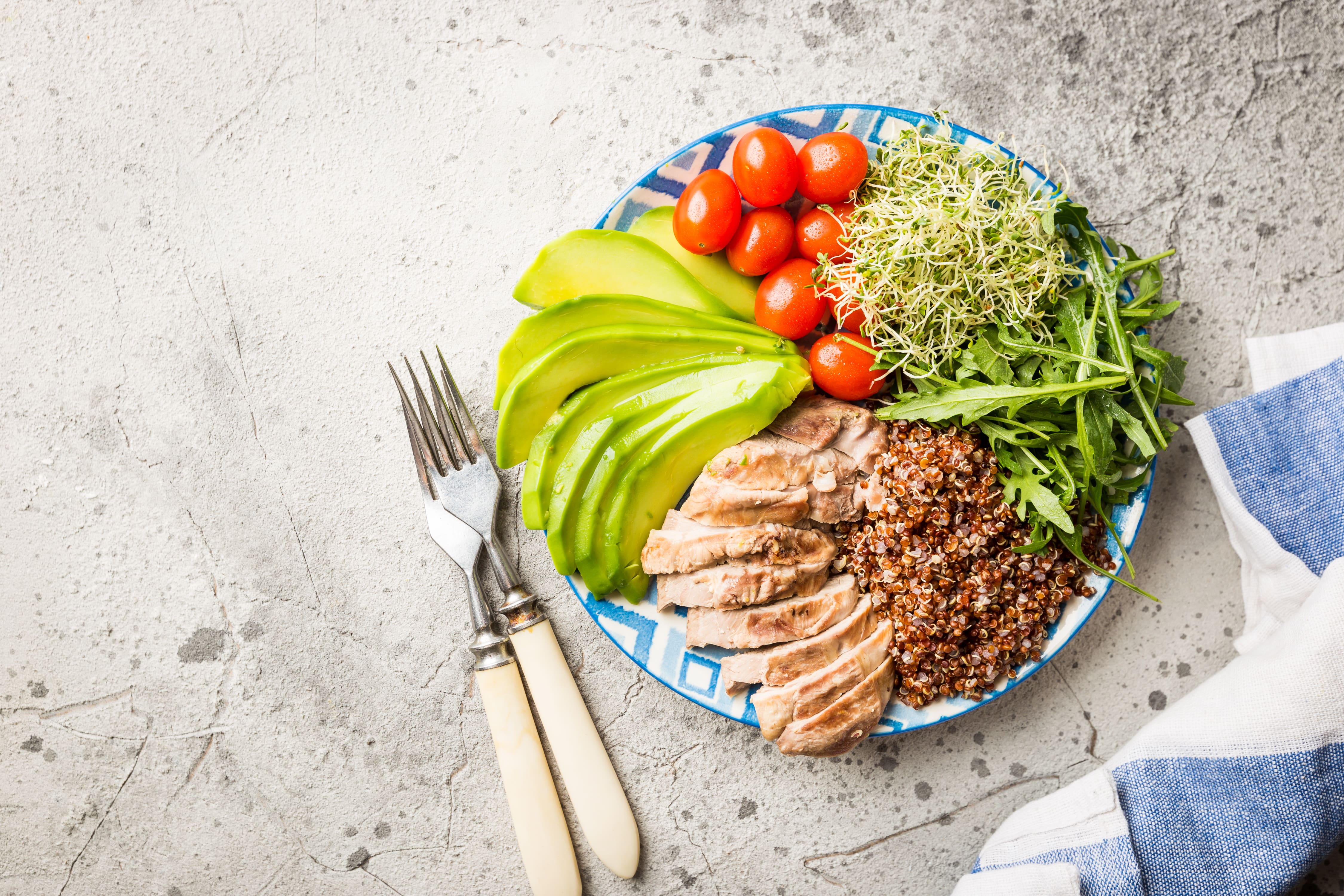
You can create blood sugar-friendly meals using leftovers by following a specific formula. Pairing protein with fiber, healthy fats, and smart carbs is key for steady blood sugar. As you create glucose-stabilizing recipes with your holiday leftovers, picture the Signos Plate.
Half the plate contains non-starchy vegetables (all except winter squash, corn, potatoes, and peas) for fiber. One quarter has complex carbs (such as fruit, starchy vegetables, or whole grains) for steady energy, and the remaining quarter contains lean protein (such as turkey, eggs, chicken, or tofu) so you stay full longer. Add a healthy fat to your meal by cooking with olive oil or drizzling an avocado oil-based dressing on a salad.
As you take part in post-holiday meal prep, determine which category each leftover option falls into so you know if you’ve got all the bases covered. If not, consider easy options such as steamable vegetables, microwaveable brown rice, or rotisserie chicken to make up for what you’re missing.
Smart Makeovers for Classic Dishes
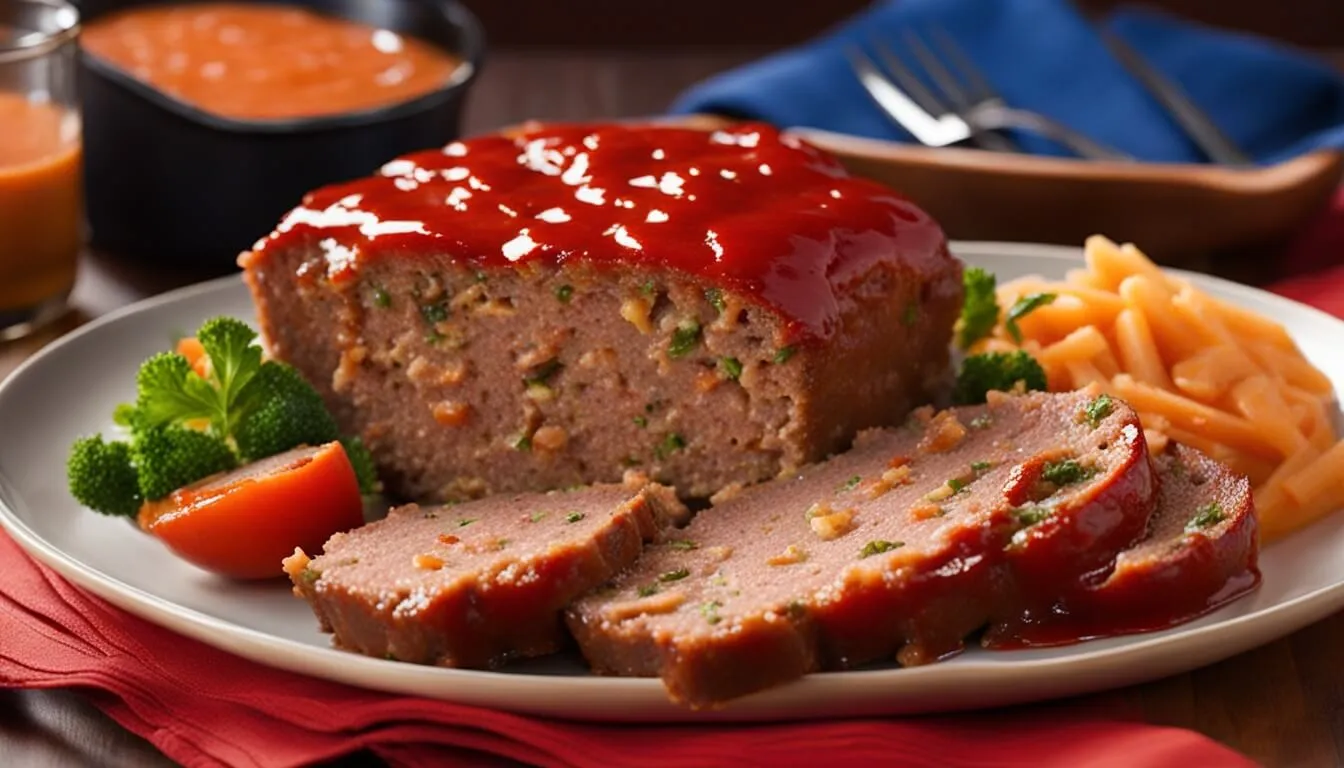
The options for balanced meal planning with low-glycemic holiday leftovers are endless. As for leftover turkey recipes, you can make protein-packed turkey salad wraps, turkey soup, or quinoa bowls. If you have extra stuffing, repurpose it by mixing it with eggs and veggies for a balanced breakfast bake.
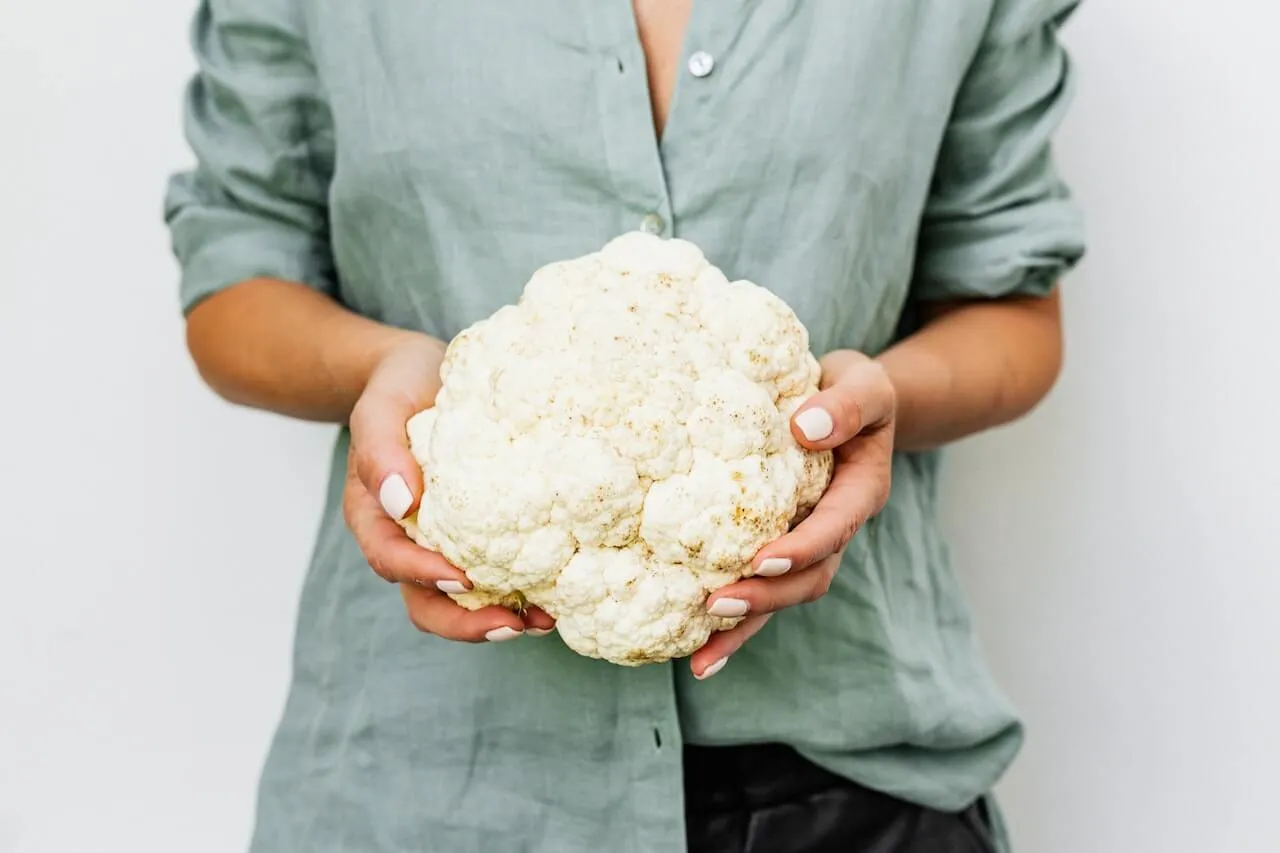
Other healthy leftover ideas include adding leftover vegetables, such as cauliflower, to leftover mashed potatoes for a lower glycemic impact and deconstructing your pie into a yogurt parfait with pecans and fruit for added fiber.
Batch Cooking and Meal Prep Tips

When storing Thanksgiving leftovers, consider portioning them in the same way you would on your plate or in your bowl. That way, when it’s time to eat later, you don’t need to think about how much of each food to put on your plate.
Follow these guidelines so your leftovers are safe to eat:
- Refrigerate food within 2 hours of cooking.
- To prevent bacterial growth, cold foods should be kept at 40°F or lower in bowls of ice or on serving trays while being served.
- To prevent bacteria growth, keep hot food at 140°F or higher using chafing dishes, slow cookers, or warming trays while being served.
- Throw away any perishable food that has been left at room temperature for more than two hours.
- Store leftovers in airtight containers to prevent bacterial growth and retain moisture.
- Leftovers can be kept in the fridge for 3 to 4 days and in the freezer for 3 to 4 months.3
Pair leftovers, so you have a combination of protein, non-starchy vegetables, and complex carbohydrates at meals. Create snacks by combining complex carbs with protein or healthy fat to keep blood glucose steady.
If your leftovers from insulin-friendly recipes could use more flavor, add fresh herbs and spices. You could even make an herb-infused oil to increase your intake of healthy fats. Vinaigrette and Chimichurri sauce are other tasty options.
How Signos Helps You Personalize Your Leftover Strategy
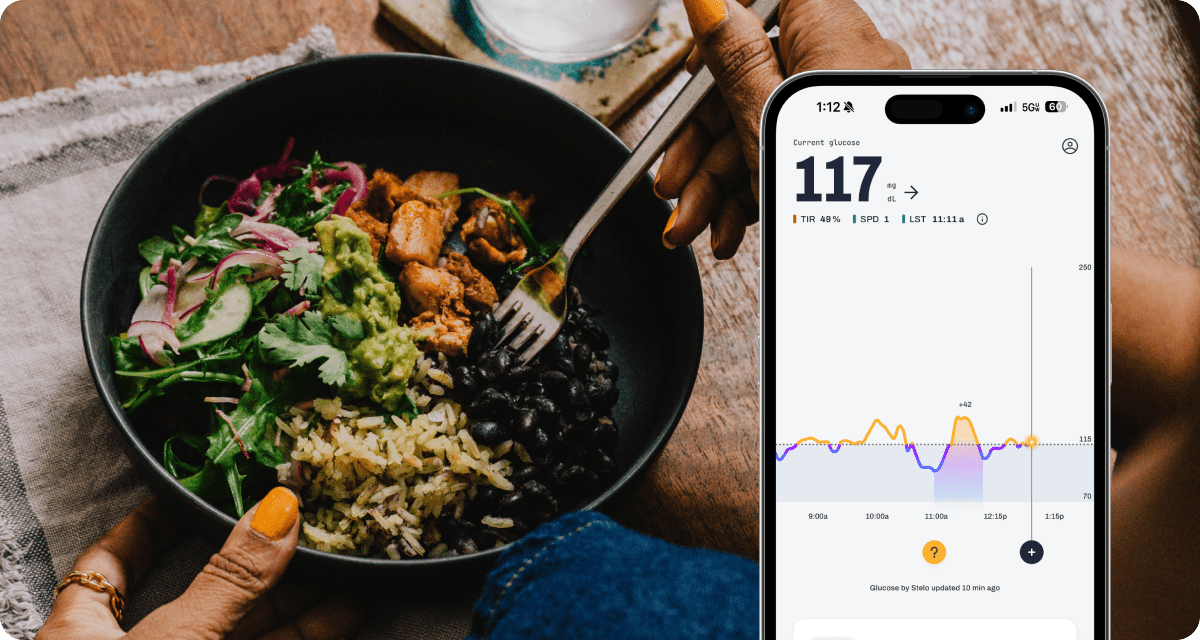
Signos gives you real-time insight into your blood glucose, helping you understand how your body responds to different foods, even your holiday leftovers. By tracking your glucose patterns, you can see which meals keep your energy steady and which ones cause spikes, empowering you to make smarter choices and craft more balanced meals in the future.
Try these experiments with your leftovers:
- Protein Boost Test: Add extra protein to a leftover meal and see if it stabilizes your glucose compared to eating it as-is.
- Timing Experiment: Eat the same leftover meal at different times of day and track how your glucose responds; morning vs. evening reactions can vary.
- Mix & Match Challenge: Combine different leftover components (vegetables, carbs, proteins) in new ways and observe which combinations keep your blood sugar in the optimal zone.
With Signos, your leftovers aren’t just meals; they’re a personal laboratory for understanding your metabolism and making each bite work for you.
The Bottom Line
Holiday leftovers can fuel your body without wreaking havoc on your metabolic health. By turning traditional recipes into low glycemic holiday leftovers and using Signos to personalize your approach, you can still enjoy comfort food while keeping blood glucose and energy steady this holiday season!
Learn More With Signos’ Expert Advice
Signos combines 24/7 blood glucose monitoring, support from registered dietitians, and smart food logging so you can successfully improve your health. To learn more about the role blood glucose plays in overall health, visit Signos’ blog.
Topics discussed in this article:
References
- Isra, M., Andrianto, D., & Haryo Bimo Setiarto, R. (2022, April). Effect of microwave heat treatment for resistant starch levels and prebiotic properties of high carbohydrate foods: Meta-analysis study. Chiang Mai University Journal of Natural Sciences, 21(2), 2022032-2022033. 10.12982/CMUJNS.2022.032
- Alkhulaifi, F., & Darkoh, C. (2022). Meal timing, meal frequency and metabolic syndrome. Nutrients, 14(9), 1719. https://doi.org/10.3390/nu14091719
- USDA. (n.d.). Leftovers and food safety. https://www.fsis.usda.gov/food-safety/safe-food-handling-and-preparation/food-safety-basics/leftovers-and-food-safety

.svg)







.svg)
.svg)
.svg)
.svg)
.svg)
.svg)
.svg)
