


Key Takeaways
- Small, flexible daily habits (movement, protein-forward meals, and mindset) keep your metabolism steady even when holiday routines are chaotic.
- Glucose control often dips during the holiday, but flexible, consistent routines help prevent spikes, cravings, and fatigue.
- Signos provides real-time data that keeps you accountable, showing exactly which habits stabilize (or spike) your blood sugar during busy seasons.
that {{mid-cta}}
Between travel, holiday parties, and packed calendars, your healthy routines can disappear along with your metabolic stability. Rest assured, the holiday season doesn’t have to derail your progress or lead to unwanted holiday weight gain. With a flexible structure and realistic expectations, you can enjoy holiday meals, holiday treats, and seasonal traditions while supporting blood sugar balance, fat burning, and long-term wellness.
In this article, you’ll learn how to build flexible workout routines and simple daily habits that stabilize glucose, support weight loss, boost energy, and keep your metabolism on track, even when your fitness goals feel harder to maintain.
Why Routines Matter More During the Holidays

During the holiday season, routines shift and high-risk situations (parties, sweets, travel, disrupted sleep, and more alcohol) become common. These changes can reduce daily cardio, movement, and structured training, making it harder to manage calorie burn, maintain muscle mass, and keep glucose stable.
Research shows glycemic control declines around major U.S. holidays such as Thanksgiving, Christmas, and New Year’s Day compared with spring and summer months.1,2,3 This disruption often coincides with reduced interval training, fewer intensity workouts, and inconsistent meal timing.
A 2024 study of 812 adults using CGMs found that time in range (TIR) dropped by 1.9% during the two weeks around Christmas, while time above range increased by 1.8%, a mild but reversible effect.1 Another study reported a larger 7.1% decline in time in range during the holiday period.3
Across studies, researchers consistently note the same patterns: higher-calorie foods, social eating, fewer holiday workouts, less structured weightlifting, and disrupted sleep, all of which affect blood glucose and metabolic health.
“All or nothing” thinking can amplify the challenge. Skipping workouts entirely or abandoning structure may spike blood sugar, reduce fat burning, and stall progress. A better approach: consistency over perfection, supported by simple fitness tips you can use anywhere, even a home gym or hotel room.
The Core of a Sustainable Metabolic Routine

As you plan for the upcoming holiday season (or any time routines feel disrupted), include these core components to support metabolic health and sustainable progress.
Morning Momentum
Start your day with a grounding habit, such as daylight exposure or a short warm-up walk to activate circadian rhythm and energy. Adding light movement first thing supports glucose regulation and sets the tone for the day. Pair this with a protein-rich breakfast to prevent overeating later and preserve muscle mass.
Establish Anchor Habits
Prioritize balanced meals with protein and fiber to stabilize glucose after holiday meals. Add daily movement (even brief body weight circuits) to support insulin sensitivity and overall cardio fitness. This could include lunges, push-ups, or a short full-body routine between meetings or events.
Flexible Structure
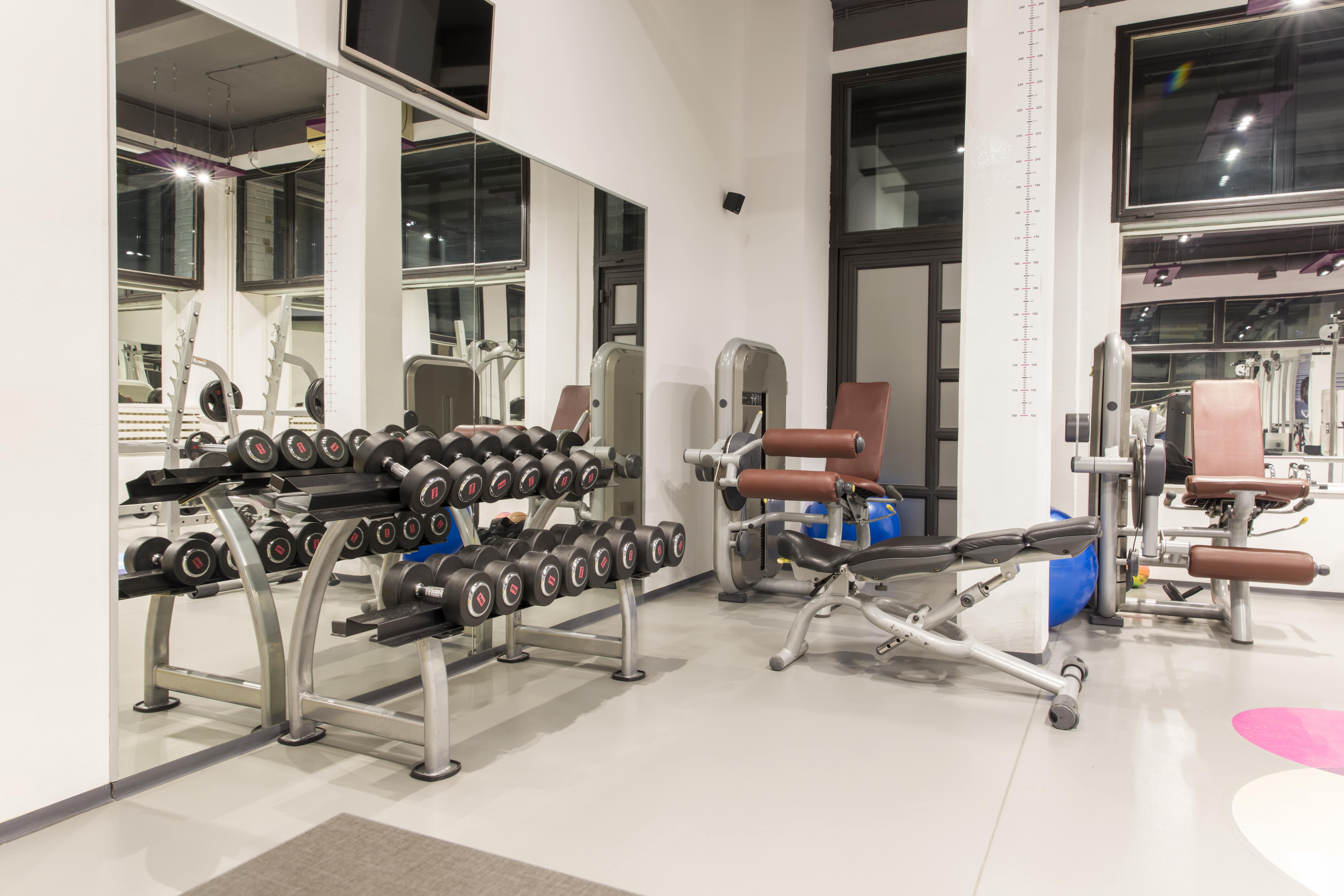
Instead of relying on scheduled gym classes or a personal trainer, focus on movement that works wherever you are. A 15-minute airport walk, stair climbing, or a short HIIT session can deliver meaningful calorie burn without requiring equipment. The goal is daily movement, not perfection.
3 Metabolic Anchors You Can’t Skip

No matter how busy your schedule gets, aim to include the 3 M’s: movement, meals, and mindset.
Movement
Fit in short walks after meals or try mini-circuits combining cardio and strength. Examples include burpees, squats, lunges, wall push-ups, planks, or light dumbbell work like Romanian deadlifts to activate the glutes and posterior chain. Even 2–3 rounds of controlled reps can boost glucose uptake and support fat burning.
Meals
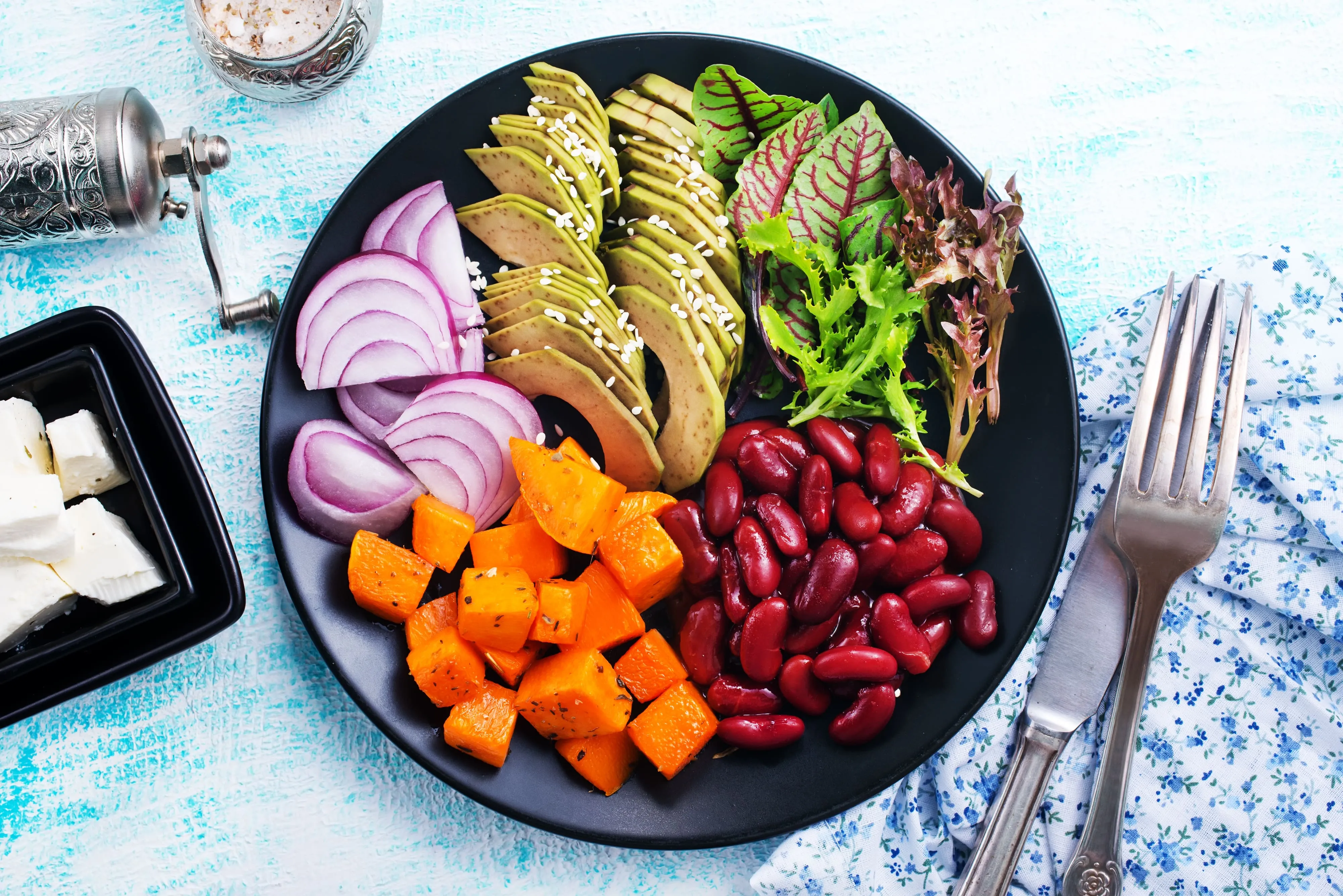
Build meals around protein to limit blood sugar spikes from holiday treats. Pair protein with fiber-rich sides like vegetables, beans, or whole grains to slow digestion and support metabolic stability.
Mindset
Use quick resets (deep breathing, journaling, or reframing expectations) to reduce stress. Stress hormones can elevate blood sugar just as much as food.
Think of the holiday season like a marked trail: you may step off briefly, but the path is always there to return to.
Using Data to Stay Accountable
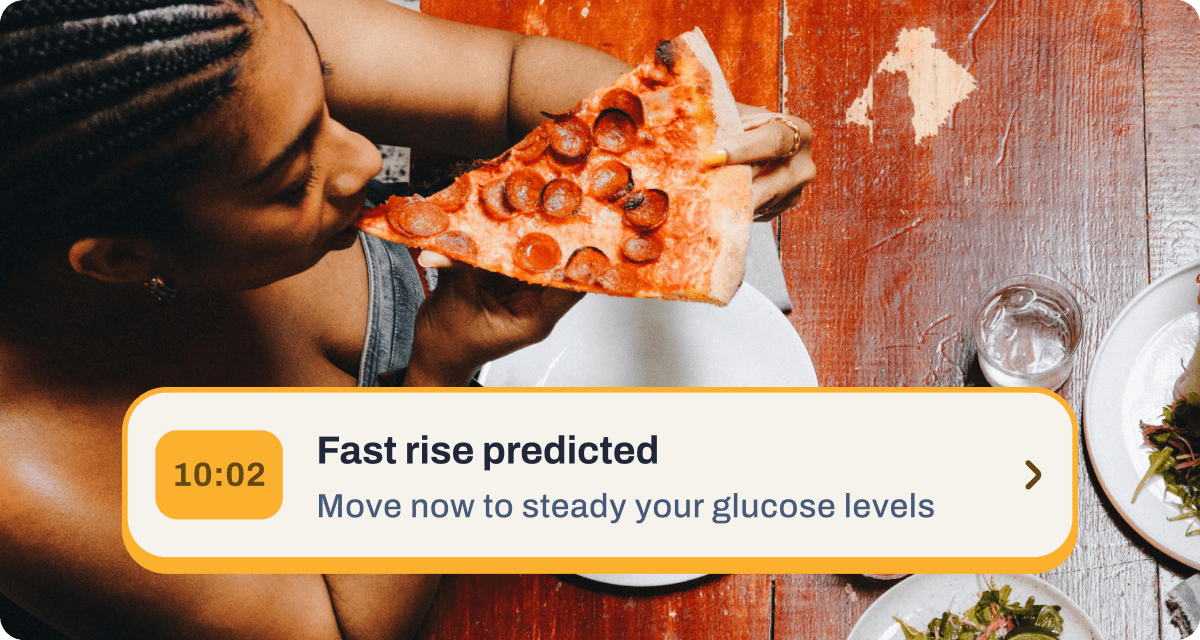
During the holiday season, consistency matters more than perfection, and data helps keep you grounded. Signos connects your daily choices to real-time glucose feedback, so you can see how workouts, meals, stress, and recovery actually affect your metabolism. Whether you’re fitting in a high-intensity circuit, interval training session, or opting for an active recovery day, the data turns guesswork into clarity.
Signos Built-In Accountability & Insights
- See patterns across busy weeks: Track glucose trends throughout the holiday season to understand how changes in routine (late meals, skipped workouts, or higher stress) impact metabolic stability.
- Personalize workout intensity: Identify which intensity workouts support stable energy and glucose, and which days benefit more from lighter movement or rest.
- Stay anchored with micro-goals: Use in-app goals for steps, sleep consistency, meal timing, and movement to maintain structure when schedules feel unpredictable.
Try These Simple Holiday Experiments
- Workout timing experiment: Compare glucose responses on days you train in the morning versus the afternoon or evening.
- Intensity experiment: Test a short high-intensity session against a longer low-intensity walk to see which stabilizes glucose more effectively for you.
- Post-meal movement experiment: Track glucose after a holiday meal with and without a 10-minute walk to see the immediate difference.
- Recovery day experiment: Monitor glucose on active recovery days versus full rest days to find your optimal balance.
No complicated setup required; just actionable insights that help you make confident, informed decisions even during the most unpredictable weeks of the year.
Make It Stick: Habit Stacking and Simplifying
Habit stacking means linking a new habit to one you already do automatically. This strategy makes consistency easier, even for beginners.
For example, if you brew coffee every morning, follow it with a five-minute mobility or body weight circuit. After dinner, add a short walk to support glucose control and recovery. These small actions compound into meaningful progress toward fitness goals.
Experiment with what fits your lifestyle, whether that’s light cardio, short HIIT, or simple strength work at home. Celebrate consistency, not perfection.
The Bottom Line
A sustainable metabolic routine isn’t about restriction; it’s about building rhythms that support energy, glucose control, and body composition all year long. With flexible workout routines, mindful nutrition, and real-time feedback, you can protect your metabolism through the holiday season and beyond.
Learn More With Signos’ Expert Advice
A CGM can help you stay accountable during chaotic seasons and establish supportive habits to improve your overall health. Learn more about glucose levels and tracking on the Signos blog, written by health and nutrition experts.
Topics discussed in this article:

.svg)






.jpg)

.svg)
.svg)
.svg)
.svg)
.svg)
.svg)
.svg)
