

Key Takeaways
- Your workouts don’t need to be an hour long to give you results. Focus on short, intentional movement every day to successfully maintain fitness and manage blood sugar levels during the busy holiday season.
- Utilize strategies like habit stacking and feedback from data-collecting apps like Signos to stay motivated and measure how your small, consistent efforts translate into real metabolic resilience.
- Bringing small items like resistance bands can help bring your workouts with you if chaotic travel or small hotel rooms normally affect your fitness routine. There are many ways to use just your own bodyweight for a quick, effective workout, no matter where you are.
that {{mid-cta}}
The holidays are notoriously busy with a calendar of parties, travel, and shopping that leaves little time and energy for dedicated workouts. However, you don’t have to give in to the grinchy temptation of the holidays stealing your fitness gains. All you have to do is stay consistent, be creative, and trust that sleighing a 15-20 minute workout is plenty!1
This article is sprinkled with quick, effective, full-body holiday workouts that rely on simply bodyweight or cardio movements designed specifically to fit into even the most packed holiday schedule, ensuring you can stay energized and strong throughout the season while managing blood sugar around all those big meals and delicious cookies.
Why Movement Matters More During the Holidays
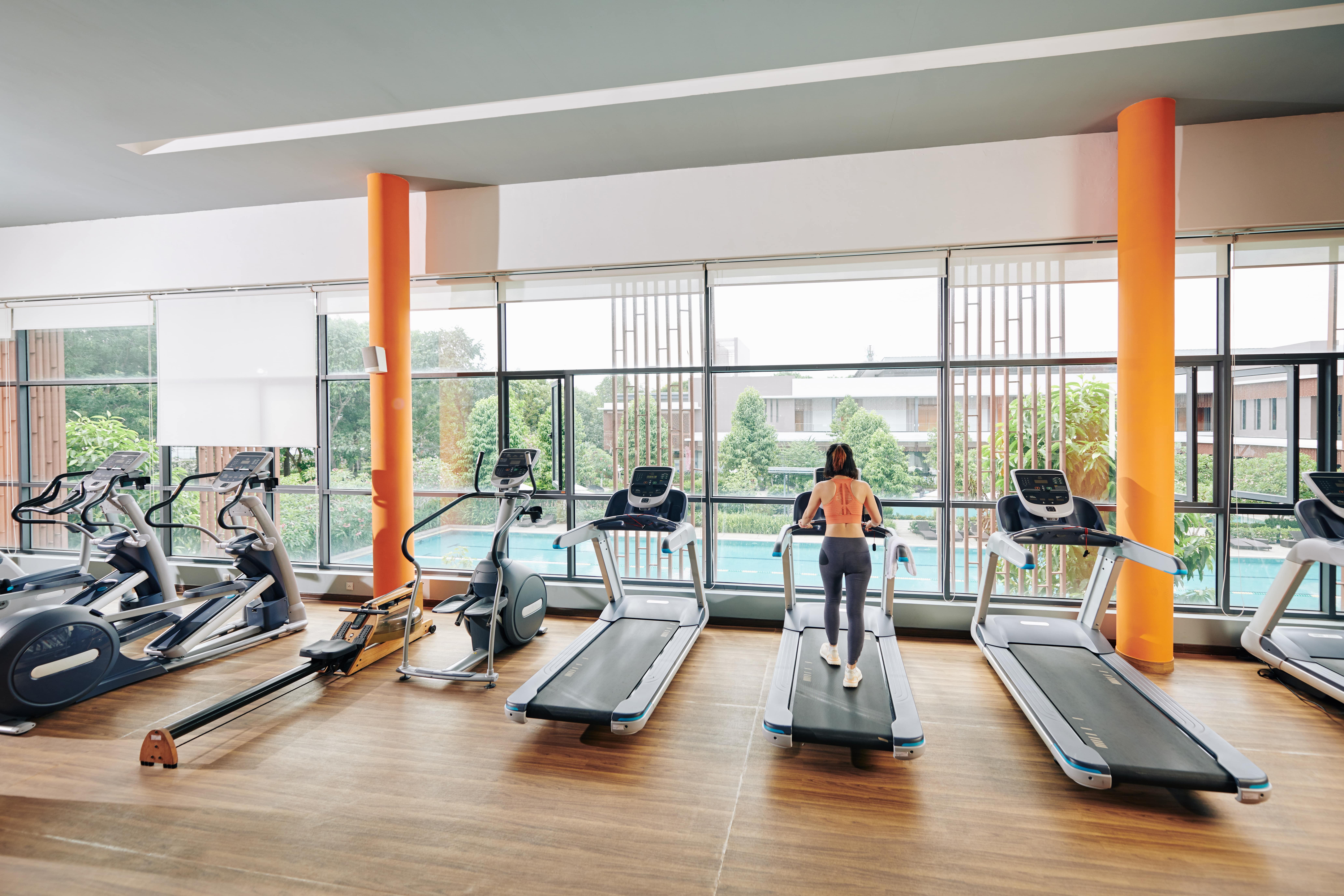
The holiday season often feels like a blissful yet demanding marathon of indulgence and activities, making it easy to put your regular workout routine on the back burner. However, exercise during this hectic time isn't just about managing your weight or “working off the extra calories.”
Think about your workouts as a way to manage stress and energy levels instead, as making time for yourself this holiday season is just as important. Even a quick walk or a 10-minute HIIT workout can offer immense joy to your world, helping you actually enjoy the holidays a whole fa-la-la-la-lot more. Here are a few more reasons why you should keep moving:
- Mitigates Metabolic Disruption: The combination of seasonal stress, extra sugar intake, and disrupted sleep (due to travel or late nights) puts significant strain on your metabolism. This combination can make it easier to store fat and harder to maintain stable energy throughout the day.
- Boosts Insulin Sensitivity and Energy: You don't need an hour-long session to see results. Even a quick walk or a 10-minute HIIT cardio workout can elevate your heart rate and significantly improve insulin sensitivity while keeping those excessive blood sugar spikes at bay.2
- Manages Holiday Stress: By triggering the release of mood-lifting endorphins (i.e., serotonin and dopamine), movement helps you stay calm, manage the demands of the season, and improve your overall mental resilience during stressful family gatherings or travel.3
Quick Workouts That Deliver Results
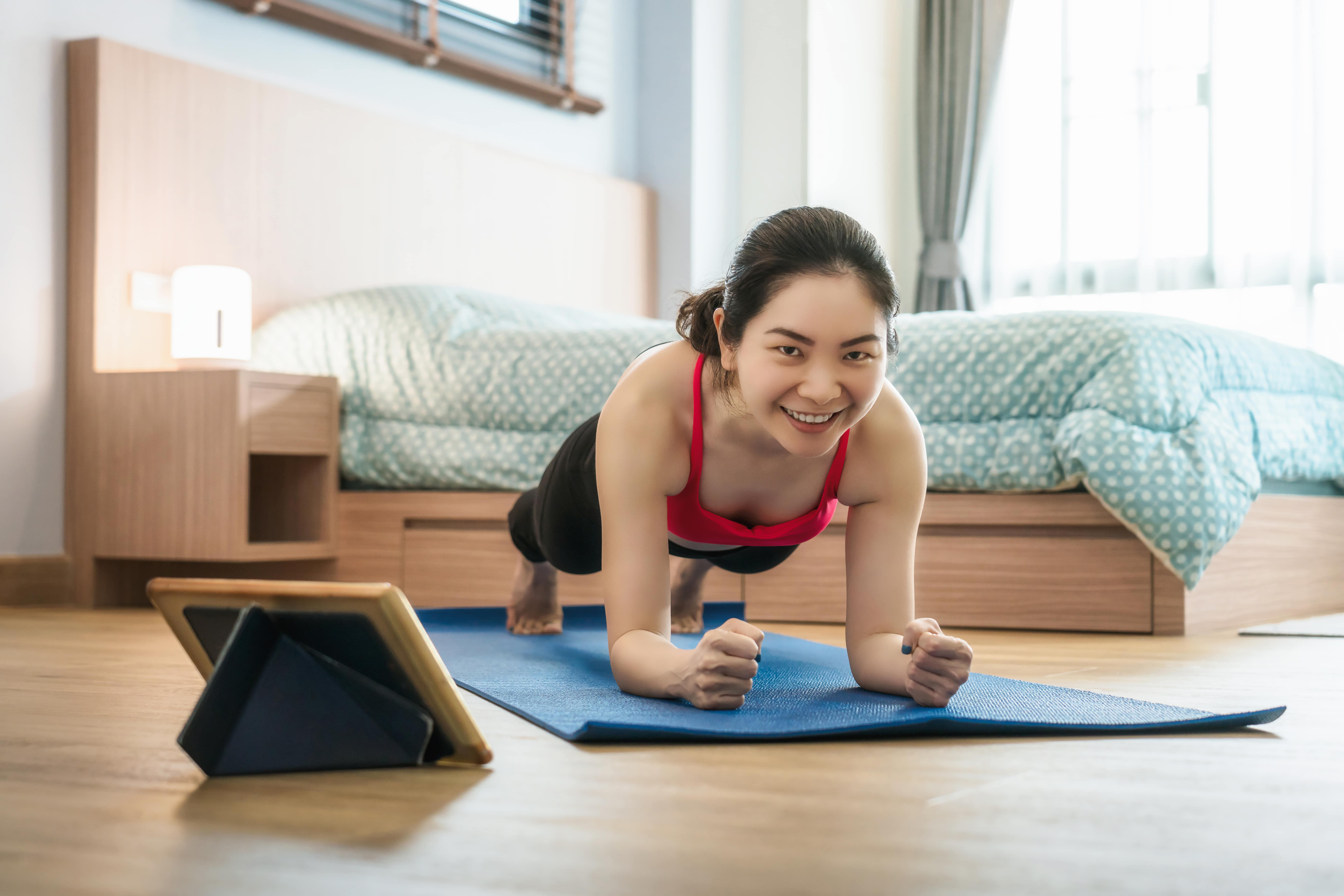
The goal of holiday fitness is to focus on consistency over duration, prioritizing short bursts of high-quality movement that elevate your heart rate, maintain muscle strength, and fit perfectly into those small pockets of free time. In fact, a 2017 study found that short HIIT-style workouts brought participants more joy and satisfaction than continuous moderate-intensity exercise and led to similar, if not better, fitness results.4
Try some of these ideas during your next five-minute break between wrapping presents to ensure your fitness doesn't take a back seat to holiday pressures.
- 10-Minute Bodyweight Circuits: This simple full-body circuit hits major muscle groups. Set a timer for 10 minutes and perform high-quality repetitions of classic bodyweight exercises such as squats, push-ups, lunges, single-leg glute bridges, crunches, and planks. Do 10 reps of each exercise, cycling through them with minimal rest.
- Zone 2 Cardio Bursts: Find 10-20 minutes to engage in steady, continuous cardio such as brisk walk around the neighborhood, stair climbing in your house or apartment building, or a quick session on a stationary bike. Some yoga or barre classes elevate your heart rate into Zone 2, and there are great free classes on YouTube or other fitness apps (e.g., Peloton).
- Micro-Movement Strategy: Take 5-minute movement breaks every hour while working, cooking, or wrapping gifts. For example, do 20 calf raises, 10 wall push-ups, and a 60-second marching-in-place exercise before sitting back down and returning to the task. Do enough rounds of these bodyweight exercises throughout the day, and the repetitions add up fast!
Travel- and Home-Friendly Workout Ideas
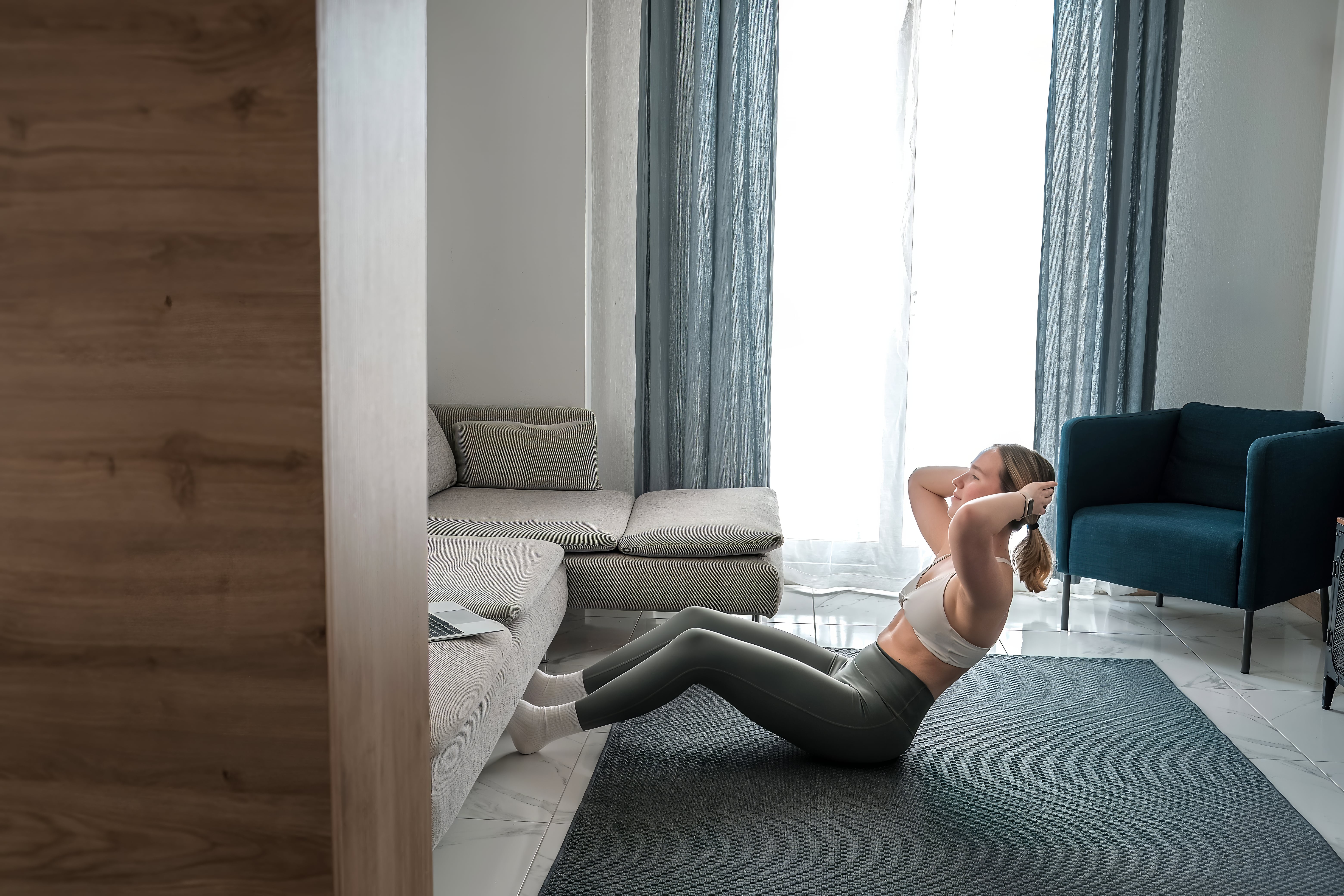
Maintaining your routine on the road or at home can be tough, but it's completely achievable with the right strategy. Anyone can create an effective workout with minimal space and zero-to-low equipment - all you need is your body and a jolly mindset. These quick, flexible ideas allow you to turn any hotel room, guest bedroom, or living room into your personal gym.
- Resistance Bands or No-Equipment Options: Instead of dumbbells, pack a set of resistance bands for portable strength work like banded rows, squats, and presses. Alternatively, focus on bodyweight exercises such as wall sits, reverse lunges, bent-over rows, and plank variations, which can be just as effective for building strength.
- Hotel Room HIIT or Yoga Flows: Use the limited space of your hotel room for High-Intensity Interval Training (HIIT), alternating 30 seconds of burpees, high knees, or Pilates-inspired flows with 15 seconds of rest. If you prefer low-impact movement, try a quick yoga flow to stretch tired muscles and calm the mind.
- Post-Meal Blood Sugar Walks: Make it a family tradition to take a short, 15-20 minute walk immediately after a large holiday meal. This gentle movement significantly aids digestion and is highly effective at moderating the blood sugar spikes associated with rich, high-carbohydrate meals.
Scheduling Hacks That Keep You Consistent
Consistency is the ultimate goal, yet the hardest to achieve when faced with a demanding schedule. Make exercise non-negotiable and remove any pressure to be perfect. Here are some ideas for keeping you rockin’ around the Christmas tree this season:
- Habit Stacking: Perform a plank or bodyweight squats while waiting for your morning coffee to brew, or take a quick 10-15 minute walk during your lunch break. By stacking movement onto a current habit, it becomes harder to skip and develops an entirely new habit.5
- Something is Better Than Nothing: Let go of the need for the perfect 60-minute training routines. Committing to five minutes of jumping jacks or 20 push-ups sprinkled throughout the day is a great win, as short bursts of high-intensity exercise can yield equal fitness gains.
- Build Accountability: Find an accountability buddy among friends and family, or use fitness trackers and platforms like Signos to send helpful reminders for movement, build a regular exercise schedule, and maintain adherence to your goals.
How Signos Helps You Stay on Track
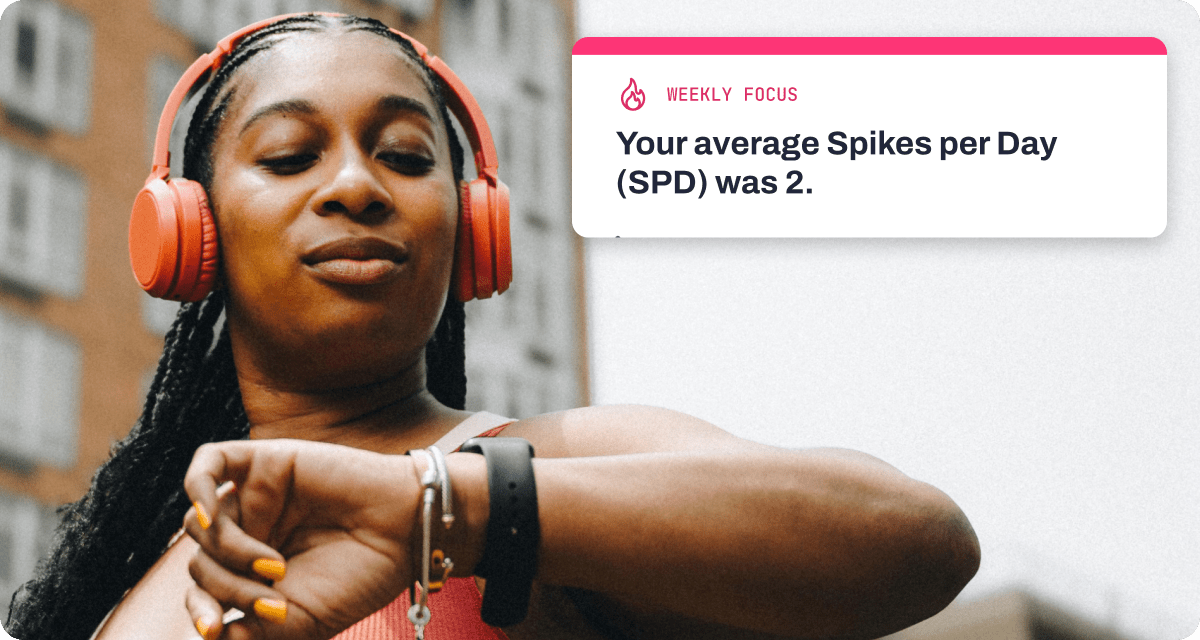
For true metabolic resilience during the holidays, data is your greatest ally. Signos turns everyday movement into visible, motivating feedback by showing how even small bouts of activity can immediately improve your glucose response. After a holiday meal, members can see in real time how a 10–15 minute walk, a quick bodyweight circuit, or a hotel-room workout helps blunt a post-meal spike and bring glucose back into the optimal zone faster.
Because holiday routines are rarely perfect, Signos makes it easy to test what actually works in real life. Continuous glucose insights help members run simple, repeatable experiments, even on busy travel days, during family gatherings, and at festive meals. Over time, these experiments reveal clear patterns: consistent movement often leads to fewer spikes per day, smoother glucose curves, and faster returns to baseline, even when indulgences are part of the season.
Accountability goes beyond the graph. Built-in step tracking and inactivity nudges gently prompt movement when long meals, travel days, or cozy evenings lead to extended sitting. These timely reminders help reinforce consistency without requiring long gym sessions, making it easier to maintain fitness during the holiday rush.
Holiday Fitness Experiments to Try with Signos
- Post-Meal Walk Test: Eat the same holiday meal on two different days. On one day, remain sedentary. On the second day, take a 10–15 minute walk within 30 minutes of eating. Compare how high your glucose rises, how long it stays elevated, and how quickly it returns to your optimal range.
- Short Workout vs. Long Workout: Compare a quick 10-minute bodyweight circuit with a longer gym session on different days. Track differences in spikes per day and overall glucose stability to see which approach delivers the most benefit during a busy schedule.
- Morning vs. Evening Movement: Try fitting in movement earlier in the day versus later in the evening. Use your glucose data to observe how timing impacts post-meal spikes, overnight stability, and next-morning glucose levels.
- Travel Day Movement Check: On a travel day, compare glucose patterns on a day with intentional movement breaks (walking, stairs, or short mobility sessions) versus a day with prolonged sitting. Notice how frequent movement supports steadier glucose and energy.
- Consistency Challenge: Choose a simple daily goal, such as a step target or a short workout per day, and stick to it for a week. Watch how consistent movement affects spikes per day, time spent in your optimal zone, and the smoothness of your glucose curve, even with holiday treats.
- Workout Recovery Insight: Compare glucose patterns on workout days versus rest days to see how regular movement supports post-meal control, overnight stability, and overall metabolic recovery.
Ultimately, Signos helps members measure what “staying active” actually does for their bodies. By directly connecting short workouts, walking breaks, and daily movement to tangible metabolic outcomes, Signos empowers members to build consistency, protect their energy, and support long-term metabolic health, making dashing through the snow (or the airport) this season a little more jolly and a lot more data-driven.
The Bottom Line
The holidays don't have to derail your fitness routine. Finding success this season relies on consistency and flexibility in how you structure your workouts. By prioritizing short, effective workouts and leveraging help from your Signos data, you can protect your metabolism, avoid post-meal energy crashes, and navigate the festive chaos while building genuine fitness and metabolic health. Your New Year's resolution doesn’t have to come from the guilt of the holidays, but more as a proud continuation of the consistency you’ve achieved.
Learn More About Signos’ Expert Advice
If you have more questions on improving your health, fitness, and nutrition, seek the expert advice of the Signos continuous glucose monitor and the Signos team. A continuous glucose monitor (CGM) can give you the insights to make smarter nutrition and exercise choices. The Signos app provides a unique, personalized program to help you reach your health goals.
Topics discussed in this article:
References
- Ito, S. (2025). Micro-Workout: A Paradigm Shift in Effective Exercise/Physical Activity for Health and Longevity. European Journal of Medical and Health Sciences, 7(2), 104-106.
- Short, K. R., Pratt, L. V., & Teague, A. M. (2018). A single exercise session increases insulin sensitivity in normal weight and overweight/obese adolescents. Pediatric diabetes, 19(6), 1050-1057.
- Salvo, C., Kissling, K., Bearzi, A., Bondarenko, V., & Llanso, T. (2024). The Effects of A 7-Minute HIIT Workout on Stress and Burnout in Outpatient Physical Therapists. International Journal of Occupational and Environmental Medicine-1 (3), 32-42.
- Thum, J. S., Parsons, G., Whittle, T., & Astorino, T. A. (2017). High-intensity interval training elicits higher enjoyment than moderate intensity continuous exercise. PloS one, 12(1), e0166299.
- Ul-Zaman, F., Bhatti, M. S., Semab, S., Aslam, M. J., Anwer, M. A., & Noor, M. (2025). Exploring the Integration of Atomic Habits in Pedagogical Frameworks: A Qualitative Analysis of Teachers’ Implementation and Students’ Outcomes. Journal of Digital Sociohumanities, 2(2), 150-160.
- Ghafari, M., & Banitalebi, E. (2025). Comparison of the effectiveness of short-daily (Micro-Workouts) and traditional resistance training on improving muscular strength and balance in elderly women with an emphasis on the prevention of work-and daily activity-related injuries. Occupational Medicine Quarterly Journal, 17(3), 74-85.

.svg)

.webp)


.webp)




.svg)
.svg)
.svg)
.svg)
.svg)
.svg)
.svg)
