

Key Takeaways
- A balanced breakfast built on protein, fiber, and healthy fats supports stable energy, focus, and glucose control throughout the morning.
- Skipping breakfast or starting the day with refined carbs can trigger glucose spikes, energy crashes, and stronger mid-morning cravings.
- With Signos, you can personalize breakfast timing and food combinations to discover what keeps your energy and metabolism balanced until lunch.
that {{mid-cta}}
The jury may still be out on whether breakfast is the most important meal of the day, but starting with a balanced mix of protein, fiber, and healthy fats can set you up for sharper focus, steady energy, and fewer trips to the snack drawer.
This steady start matters: rushing out on empty to catch the morning bus or train can throw off glucose control for the rest of the day. A balanced breakfast slows digestion, helping blood sugar rise gradually and stay stable, so you avoid the energy dips that trigger fatigue and hunger.
Signos can help you find the best breakfast recipes that keep you full and balanced, with personalized insights and guidance along the way. But first, let’s see why your first meal in the morning can set the stage for glucose levels throughout the day.
Why the Morning Meal Sets the Tone for Your Glucose Rhythms

Think of your morning meal as the alarm clock that wakes your metabolism. While you sleep, your body is busy with repair and recovery, relying on stored energy to keep essential functions like breathing, circulation, and brain activity running. Upon waking, your blood sugar is lower, and your body has had time to reset its insulin sensitivity, essentially preparing your metabolism for the day.1
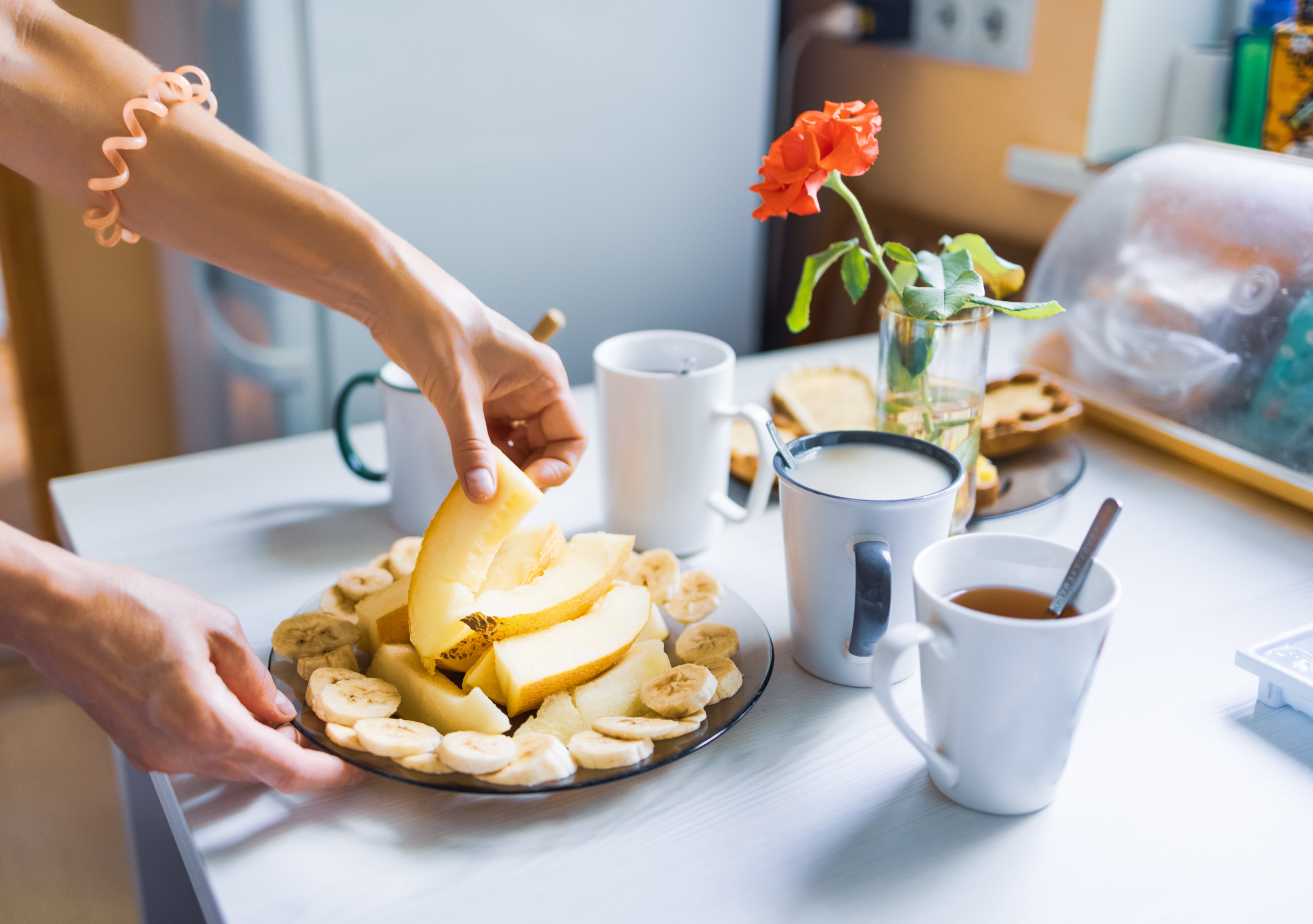
Breakfast is your chance to set that clock to the right rhythm. A balanced breakfast of nuts, avocado toast topped with eggs, or fresh fruit paired with Greek yogurt slows digestion, releasing glucose gradually into the bloodstream. This steady rise means more sustained energy, sharper focus, and a longer stretch of fullness before lunch.
On the flip side, starting the day with heavy carbs like bagels or white bread is like waking up to a loud, blaring alarm. Your blood sugar spikes fast, then crashes mid-morning, potentially leaving you hungry and drained.2 Skipping breakfast altogether keeps your body running on stored energy, making you more vulnerable to sharp glucose spikes and cravings when you finally eat.2
The Signos Strategy: Personalize Your Breakfast with Glucose Insight
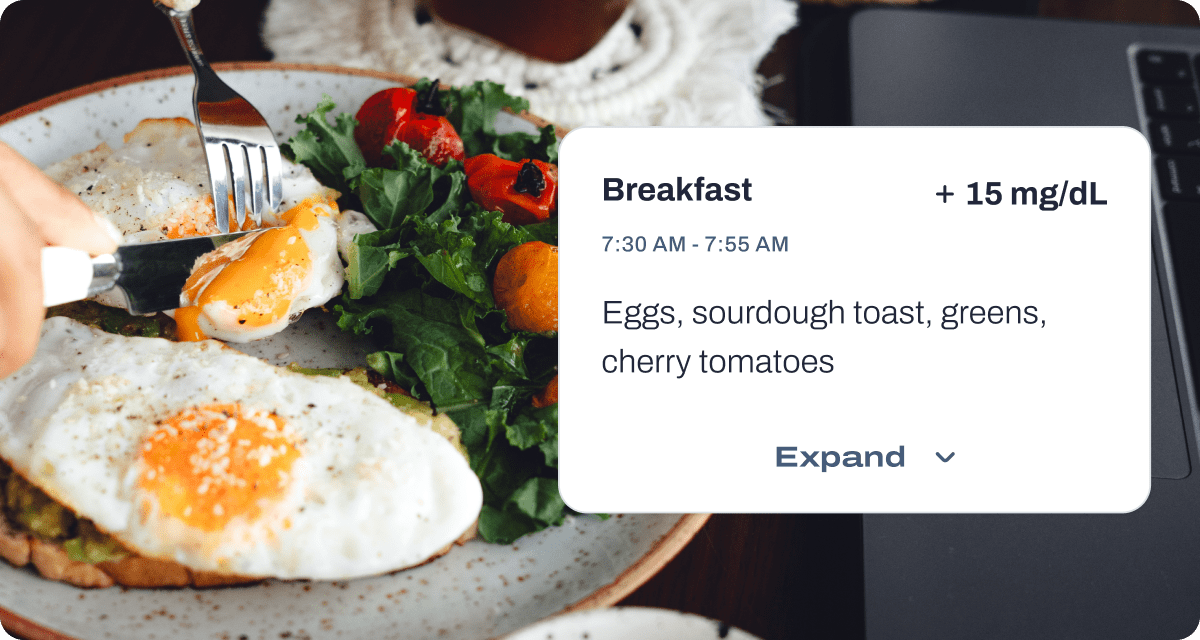
Breakfast may set the tone for your day, but simply having it doesn’t guarantee steady energy or balanced blood sugar levels. Since everyone responds differently to food (what fuels one person might cause a crash in another), Signos takes the guesswork out of your morning meal with personalized insights that reveal how your body reacts to what’s on your plate.
Signos Features & Actions
Glucose Insight Loop: Not every breakfast hits your system the same way. Signos shows you exactly how your glucose responds in the two hours after you eat—the critical window your body uses to process a meal and return to baseline. These patterns make it easy to compare breakfast styles and understand which ones keep your energy, mood, and appetite steady.
Experiments to try: Test a high-protein, high-fiber breakfast vs. a quicker carb-heavy option
- Swap cereal for Greek yogurt and berries
- Compare eggs and avocado to a smoothie
- Try the same meal on two different days (on a rest day vs. after morning exercise).
Component Breakdown: It’s not just what’s on your plate; it’s how the parts work together. The right balance of protein, fat, and fiber can be the difference between a long-lasting, satisfied morning and a mid-morning crash. With Signos, you can see how even small tweaks (like adding peanut butter to a smoothie, chia seeds to overnight oats, or an extra egg to your scramble) shift your glucose response.
Experiments to try:
- Add vs. remove fiber (chia, berries, flax)
- Add a fat source (nut butter, avocado) and compare
- Test a lower-sugar vs. a higher-sugar version of the same meal
- Try increasing protein by 10–20 grams and see how your curve responds.
Timing Adjustments: Breakfast timing can act as a metabolic shortcut when it aligns with your circadian rhythm. Many people feel better eating earlier, while others stabilize best with a slightly later meal. Signos gives you real-time feedback so you can dial into the timing that keeps you balanced and focused throughout the morning.
Experiments to try:
- Eat breakfast within 60 minutes of waking vs. 2–3 hours later
- Compare glucose levels in the morning after a walk before breakfast vs. after; try shifting breakfast 30 minutes earlier each day for a week.
- Test a “lighter first meal” vs. “heavier first meal.
Habit Reinforcement: Knowing your ideal breakfast is one thing; actually building the habit is another. Signos helps you stay consistent with gentle reminders and meal-prep nudges, supporting a morning routine that fuels stability and satiety.
Experiments to try:
- Prep breakfast the night before and compare your morning glucose to days you skip prep
- Use Signos reminders for a week and track how often you hit your “balanced breakfast” target
- Experiment with a weekly breakfast rotation instead of repeating the same meal daily to see which keeps your glucose levels most stable.
4 Breakfast Ideas That Hold You Until Lunch

The easiest way to make healthy breakfasts a routine is to keep a lineup of options you actually look forward to eating. These quick, flavorful meal plans turn breakfast from boring and routine to rewarding options worth waking up for.
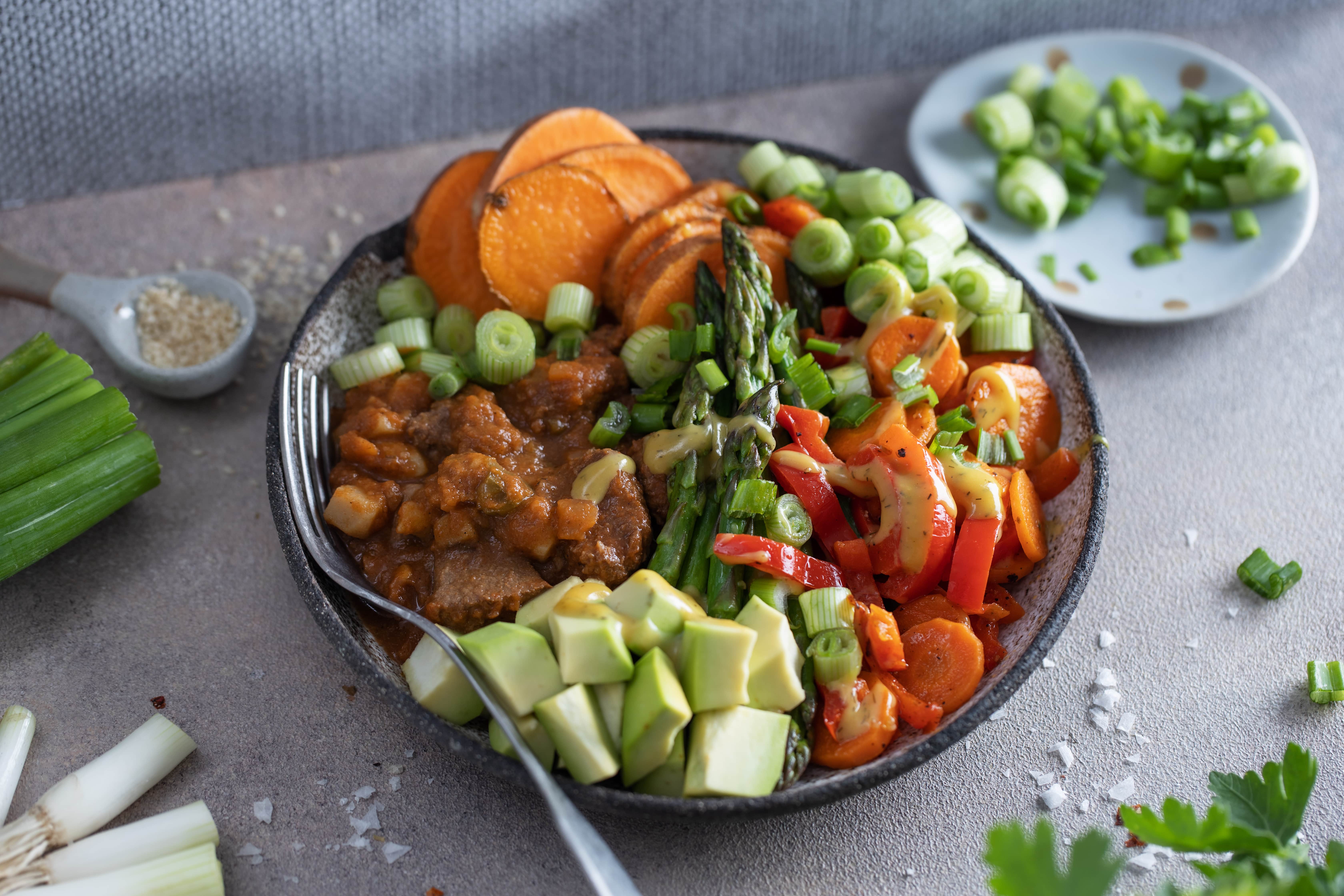
- Sweet Potato Breakfast Bowl: Pair roasted sweet potatoes with black beans, an omelet, diced veggies, and avocado for a balanced plate. The mix of complex carbs, fiber, and healthy fats helps to power you through the morning.
- Whole-Wheat Parfait or Toast: Spread cottage cheese or plain Greek yogurt on whole-wheat toast or whole-grain toast, then top with fresh fruit for sweetness, a drizzle of nut butter or almond butter, and granola. It’s an easy, balanced mix of protein, fiber, and probiotics for your morning boost.
- Veggie Frittata: Scrambled eggs with veggies like spinach, bell peppers, and tomatoes, then bake or pan-fry. Add a bit of cottage cheese or lean protein like turkey or smoked salmon for a satisfying, heart-healthy start to your day.
- Greek Yogurt Parfait: Layer plain Greek yogurt with fresh fruit like raspberries, a sprinkle of granola, and a spoonful of flaxseed for extra omega-3 fatty acids. The probiotics in yogurt support gut health, while the protein and fiber combo keep you comfortably full until lunch.
Each of these breakfasts brings balance to your plate, combining protein, fiber, and healthy fats to keep blood glucose levels steady and hunger in check. The result: calm, lasting energy that carries you into your day feeling clear-headed and content.
Real Experiences Speak: Why Savory, Protein-Rich Breakfasts Win

Breakfast should deliver on two fronts: it should taste great and set you up for the day ahead. Protein-rich meals check both boxes with research to back it up. Several studies link higher-protein breakfasts to steadier energy and better glucose control.
For example, in a small study of 12 healthy adults, researchers examined how different breakfast choices affect blood sugar levels.3 Over two weeks, participants tried four setups:
- A normal breakfast and no lunch
- A high-protein breakfast and no lunch
- A normal breakfast with lunch
- A high-protein breakfast with lunch
Everything else (meal timing and ingredients) stayed the same. Throughout the day, participants wore continuous glucose monitors (CGMs) so researchers could track how their bodies responded.
The clear winner? High-protein breakfasts. These diabetes-friendly breakfasts kept morning glucose spikes in check but also led to steadier blood sugar later in the day, especially when lunch wasn’t skipped.3
The same benefits can also be seen in people who aren’t in perfect health and have metabolic challenges. In a study of people with type 2 diabetes, researchers compared two breakfasts: one high in protein and the other high in carbohydrates, followed by the same lunch for everyone. No surprises here: the protein-packed breakfast came out on top, improving insulin response and boosting levels of GIP, a gut hormone that helps regulate blood glucose levels.
This goes to show breakfast isn’t just a box to tick; what you eat in the morning can shape how your body fuels itself and sets the tone for the rest of the day.
The Bottom Line
The building blocks for sharper focus and better energy start on your breakfast plate. A meal high in protein, fiber, and healthy fats, like savory scrambles, overnight oats, yogurt parfaits, and veggie bowls, helps regulate glucose, support metabolism, and maintain calm, consistent energy throughout the day.
Using Signos’s real-time glucose feedback, you can identify breakfast foods that keep you satisfied, sharp, and stable until lunchtime.
Learn More With Signos’ Expert Advice
Better health begins with a deeper understanding of your body’s patterns. Signos helps you connect the dots between your daily habits and how they shape how you feel. Learn more about how Signos can improve health and explore expert insights on glucose levels and overall wellness on the Signos blog.
Topics discussed in this article:
References
- Rangaraj, V. R., Siddula, A., Burgess, H. J., Pannain, S., & Knutson, K. L. (2020). Association between timing of energy intake and insulin sensitivity: A cross-sectional study. Nutrients, 12(2), 503. https://doi.org/10.3390/nu12020503
- Xiao, K., Furutani, A., Sasaki, H., Takahashi, M., & Shibata, S. (2022). Effect of a High Protein Diet at Breakfast on Postprandial Glucose Level at Dinner Time in Healthy Adults. Nutrients, 15(1), 85. https://doi.org/10.3390/nu15010085
- Xu, M., Zheng, J., Ying, T., Zhu, Y., Du, J., Li, F., Chen, B., Liu, Y., He, G., et al. (2025). Dietary protein and risk of type 2 diabetes: findings from a registry-based cohort study and a meta-analysis of prospective cohort studies. Nutrition & Diabetes, 15, Article 25. https://doi.org/10.1038/s41387-025-00380-z

.svg)




.jpg)


.svg)
.svg)
.svg)
.svg)
.svg)
.svg)
.svg)
