


Key Takeaways
- Travel can disrupt your daily routines, but preparation can support your metabolic health wherever you are.
- Regular meals or snacks, adequate hydration, and better sleep support glucose stability while traveling.
- You can use the Signos to better understand how food choices and daily rhythms influence blood glucose and overall well-being.
that {{mid-cta}}
Travel has a way of disrupting even the best routines. Skipping meals, relying on convenience snacks, disrupted sleep, and reduced physical activity can all work against healthy eating habits and steady energy levels.
But travel doesn’t have to equal an all-or-nothing mentality. By prioritizing nutrient-dense foods, staying hydrated, and building in simple opportunities for movement, you can support your metabolic health even on the busiest travel days.
Common Travel Challenges for Metabolism

Travel introduces several metabolic stressors that can impact glucose stability and how you feel throughout the day:
- Irregular meal timing: Travel can make it harder to eat at consistent times or to eat at all. When meals are delayed or skipped, your body’s blood glucose and insulin response can become less stable, increasing the likelihood of overeating later or craving quick-acting comfort foods for fast energy.
- Limited healthy options: Airports or gas stations along your route aren’t exactly known for healthy food. The choices are usually convenient but highly processed foods that digest quickly and cause sharp increases in blood glucose, followed by a crash.
- Stress and sleep disruption: Delays, tight schedules, and jet lag can add to stress, plus nighttime noise or temperature changes can make it harder to get good sleep. These disruptions elevate stress hormones that influence glucose levels and blood pressure, and over time may even contribute to weight gain.
- Inactivity: Long sedentary periods reduce physical activity and can make your body less sensitive to insulin and more likely to experience glucose spikes. Combine that with inconsistent sleep, and your metabolism may feel like it’s working harder than usual.
Plan Ahead: Food and Timing

Small, intentional choices before you leave home can make a big difference for your metabolic health on the go. Bringing balanced, portable snacks creates a steady foundation, helping you avoid getting overly hungry when healthy options are limited.
The timing of meals matters too. When possible, plan your meals around your longest stretches of travel or layovers. A well-balanced meal before a flight or drive can help you avoid panic hunger and make it easier to choose foods that keep you feeling steady.
Hydration is another simple but often overlooked way to stay balanced. Keeping a reusable water bottle handy to refill after security supports hydration even on busy travel days. Herbal tea packets or low-sugar electrolyte powders can also help meet your fluid needs.
Smart On-the-Go Meals
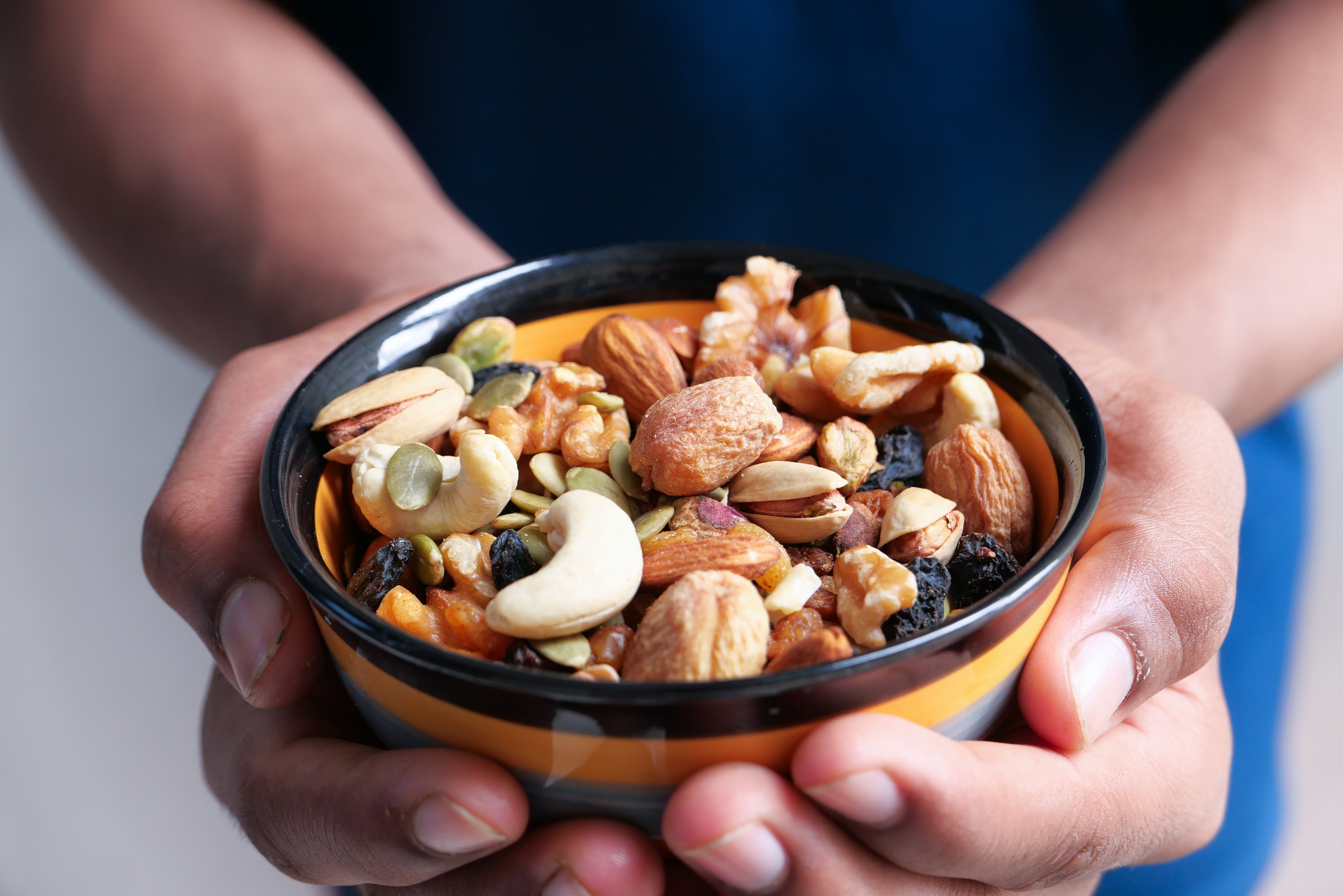
If there’s no time to pack food before you go, you can still make healthy choices when shopping for food at convenience stores or airport cafés by focusing on macronutrients.
Look for ingredients you can combine to create a balanced meal, including protein, high-fiber carbs, and healthy fat, such as:
- Yogurt, fruit, and nuts
- Pre-made salads
- Veggie snack packs with hummus or jerky
- Hard-boiled eggs and whole-grain crackers
- Turkey or tuna packages with veggies
- Oatmeal cups topped with nuts or nut butter
There’s also room to enjoy higher-carb foods, such as a bagel or a rice bowl, as part of your meal. Pair these foods with protein and fiber to help slow digestion and support satiety. Options include:
- Add eggs or smoked salmon and greens to your bagel or toast
- Choose veggies and chicken with your rice bowl
- Include beans or lentils when possible
- Add nuts or Greek yogurt to your fresh fruit
You can also meal plan and prep food to bring with you. Packing a cooler bag with homemade items like the following can make it even easier to eat on the go:
- Salad jars
- Pre-cooked chicken strips
- Veggies and hummus
- Cheese sticks
- Homemade energy bites
- Low sugar protein bars
For longer trips, pack items that transition easily to a hotel room, such as instant oatmeal, trail mix, or packets of nut butter. These can help you build or add to meals.
Movement Matters

When you’re seated for long stretches of time, your body becomes less efficient at managing glucose. Even small amounts of movement can counteract prolonged periods of sedentary behavior and support metabolic health.
One small study found that breaking up sitting with short bouts of repeated “chair-squat” transitions every 20 minutes led to significantly lower post-meal insulin levels compared with uninterrupted sitting.
For example, you can walk the terminal during layovers or take the stairs when available. Even gentle stretches before boarding can help. These micro-sessions can support circulation, digestion, and glucose control.
If leaving your seat isn’t always an option, you can try:
- Ankle circles
- Seated marches
- Calf raises
- Gentle twisting stretches
Once you arrive, a short walk, a few mobility exercises, or bodyweight moves like squats or wall pushups can help reset your rhythm so you can start your trip feeling your best.
Tracking Your Metabolic Response with Signos

Travel can throw your routine off; different foods, meal timing, stress, and activity levels all affect your body in unique ways. Signos helps you see how your glucose responds in real time, giving you the insight to travel smarter and stay energized.
With continuous glucose monitoring (CGM) data from Signos, you can observe how specific foods, meal timings, and activity patterns impact your metabolism. This information allows you to make adjustments during your trip and plan future travel with confidence.
How Signos Supports Travelers:
- Real-Time Glucose Tracking: Monitor how airport snacks, delayed meals, or changes in sleep and stress affect your glucose throughout the day.
- Weekly Insights: Identify patterns in how your metabolism responds to travel routines, time zone changes, or dietary choices.
- Movement Nudges: Receive reminders to move, stretch, or walk between flights to help counteract glucose spikes from long periods of inactivity.
Try These Travel Experiments:
- Meal Timing Test: Compare how eating at irregular times versus sticking to a schedule affects your glucose and energy during travel.
- Snack Swap Challenge: Track how healthier travel snacks (nuts, protein bars, or fiber-rich options) compare to airport convenience foods in stabilizing your glucose.
- Activity Adjustment Experiment: Measure glucose on days you incorporate short walks, stair climbs, or stretches during layovers, versus days with mostly sitting; see how movement supports stable energy levels.
By observing your personal metabolic response during travel, Signos empowers you to make informed choices that keep you energized, help maintain healthy habits, and improve long-term metabolic health, no matter where your journey takes you.
The Bottom Line
Travel doesn’t have to derail your metabolic health. With a little preparation, mindful eating, smart movement, and personalized guidance from Signos, you can stay energized and in control wherever you go.
Simple choices, such as packing healthy snacks, prioritizing hydration, and supporting your body through time-zone changes, can help you hit the road feeling good in your body.
Learn More With Signos’ Expert Advice
Healthy travel is easier when you understand how your daily rhythms influence metabolic health. Explore how Signos can improve health through better day-to-day habits. You can also dive deeper into how glucose levels influence energy and long-term wellness on the Signos blog.
Topics discussed in this article:
References
- St-Onge, M. P., Ard, J., Baskin, M. L., Chiuve, S. E., Johnson, H. M., Kris-Etherton, P., Varady, K., & American Heart Association Obesity Committee of the Council on Lifestyle and Cardiometabolic Health; Council on Cardiovascular Disease in the Young; Council on Clinical Cardiology; and Stroke Council (2017). Meal Timing and Frequency: Implications for Cardiovascular Disease Prevention: A Scientific Statement From the American Heart Association. Circulation, 135(9), e96–e121. https://doi.org/10.1161/CIR.0000000000000476
- Li, Y., Costello, E., Rock, S., Patterson, W. B., Chen, Z., Gilliland, F., Goran, M. I., Alderete, T. L., Goodrich, J. A., Conti, D. V., Stratakis, N., & Chatzi, L. (2025). Ultra-processed food intake is associated with altered glucose homeostasis in young adults with a history of overweight or obesity: a longitudinal study. Nutrition & metabolism, 22(1), 135. https://doi.org/10.1186/s12986-025-01036-6
- Hong, S., Lee, D. B., Yoon, D. W., Yoo, S. L., & Kim, J. (2025). The Effect of Sleep Disruption on Cardiometabolic Health. Life (Basel, Switzerland), 15(1), 60. https://doi.org/10.3390/life15010060
- Yaribeygi, H., Maleki, M., Sathyapalan, T., Jamialahmadi, T., & Sahebkar, A. (2021). Pathophysiology of Physical Inactivity-Dependent Insulin Resistance: A Theoretical Mechanistic Review Emphasizing Clinical Evidence. Journal of diabetes research, 2021, 7796727. https://doi.org/10.1155/2021/7796727
- Hawari, N. S. A., Wilson, J., & Gill, J. M. R. (2019). Effects of breaking up sedentary time with "chair squats" on postprandial metabolism. Journal of sports sciences, 37(3), 331–338. https://doi.org/10.1080/02640414.2018.1500856

.svg)




.webp)




.svg)
.svg)
.svg)
.svg)
.svg)
.svg)
.svg)
