

.jpg)
Key Takeaways
- Protein from plant and animal sources supports muscle building, metabolic health, and satiety.
- Most adults need at least 1.2 grams of protein per kilogram of body weight, with higher amounts for active individuals.
- Distributing protein across meals helps maintain steady glucose levels and reduces hunger.
that {{mid-cta}}
Protein is a hot topic these days, with high-protein diets, meal plans, and recipes popping up everywhere you turn. As one of the three macronutrients your body needs to function, protein plays a role in everything from muscle building to immune health, satiety, energy stabilization, digestion, and more.
But just “getting more protein” isn’t the key to all of your nutrition or health goals. When you understand how different types of protein work in your body, how to time them throughout your day, and what to pair them with, you can make choices that help you feel more energized, stabilize glucose levels, and support your overall long-term health goals.
Why Protein Matters
.jpg)
Protein is made up of 20 amino acids, which are the building blocks your body uses for every structure and function in one way or another. While your body can make 11 of these amino acids on its own, nine of them are essential, meaning you can only get them through your diet.1 Unlike carbohydrates and fats, your body can't store excess protein to use later, so eating protein each day is essential.
While one important function of protein is to build and repair muscle and other body tissue after workouts and daily wear and tear, it also plays a crucial role in metabolic health. When you eat protein with meals, it slows digestion so your body digests and absorbs glucose over a longer period. This means longer-lasting energy and fewer spikes and crashes that can leave you feeling worn out and hungry.
Protein also helps you feel fuller after eating, as it increases satiety hormones and decreases hunger hormones in the body.2 Including protein with your meals and snacks can help prevent overeating and make you feel more satisfied and full for a longer period of time, so you’re not reaching for a snack shortly after a meal.
Three Types of Protein
.jpg)
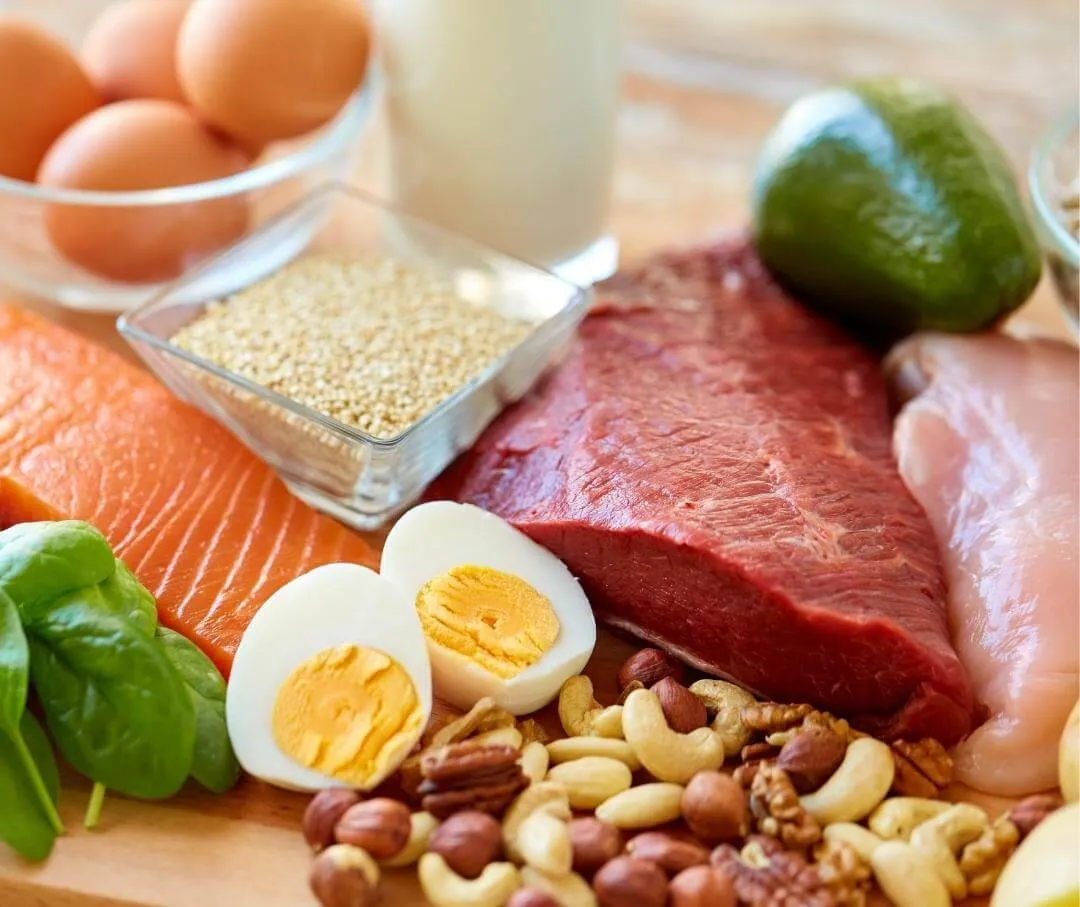
You can get protein from three main sources: animal products, plants, and supplements. Understanding the differences among these protein foods can help you choose options that fit your needs, goals, and lifestyle.
Animal Proteins
Animal products like meat, poultry, fish, eggs, and dairy provide all nine essential amino acids, making them complete protein sources. Not only are animal proteins complete, but they’re also generally more digestible than plant proteins, meaning your body can absorb and use more of the protein you eat.3
Lean options such as chicken breast, turkey, white fish, and nonfat Greek yogurt are good sources of high-quality protein without excessive saturated fat. Fatty fish like salmon and mackerel are rich in omega-3 fatty acids, which support heart and brain health.
Plant Proteins
While many plants are higher in carbohydrates than in protein, they still contain some protein, with foods such as soy, beans, lentils, nuts, seeds, and whole grains providing considerable amounts. While most plant-based foods are incomplete proteins, meaning they’re missing one or more of the nine essential amino acids, you will still get all you need by eating a variety of plant foods throughout the day.
Unfortunately, your body has a more difficult time digesting plant proteins, so they’re less efficiently broken down and absorbed than protein from animals.4 However, plant proteins also have an added benefit of being rich in healthy fats and high in fiber while providing antioxidants, vitamins, minerals, and phytonutrients that support overall health.
Protein Supplements
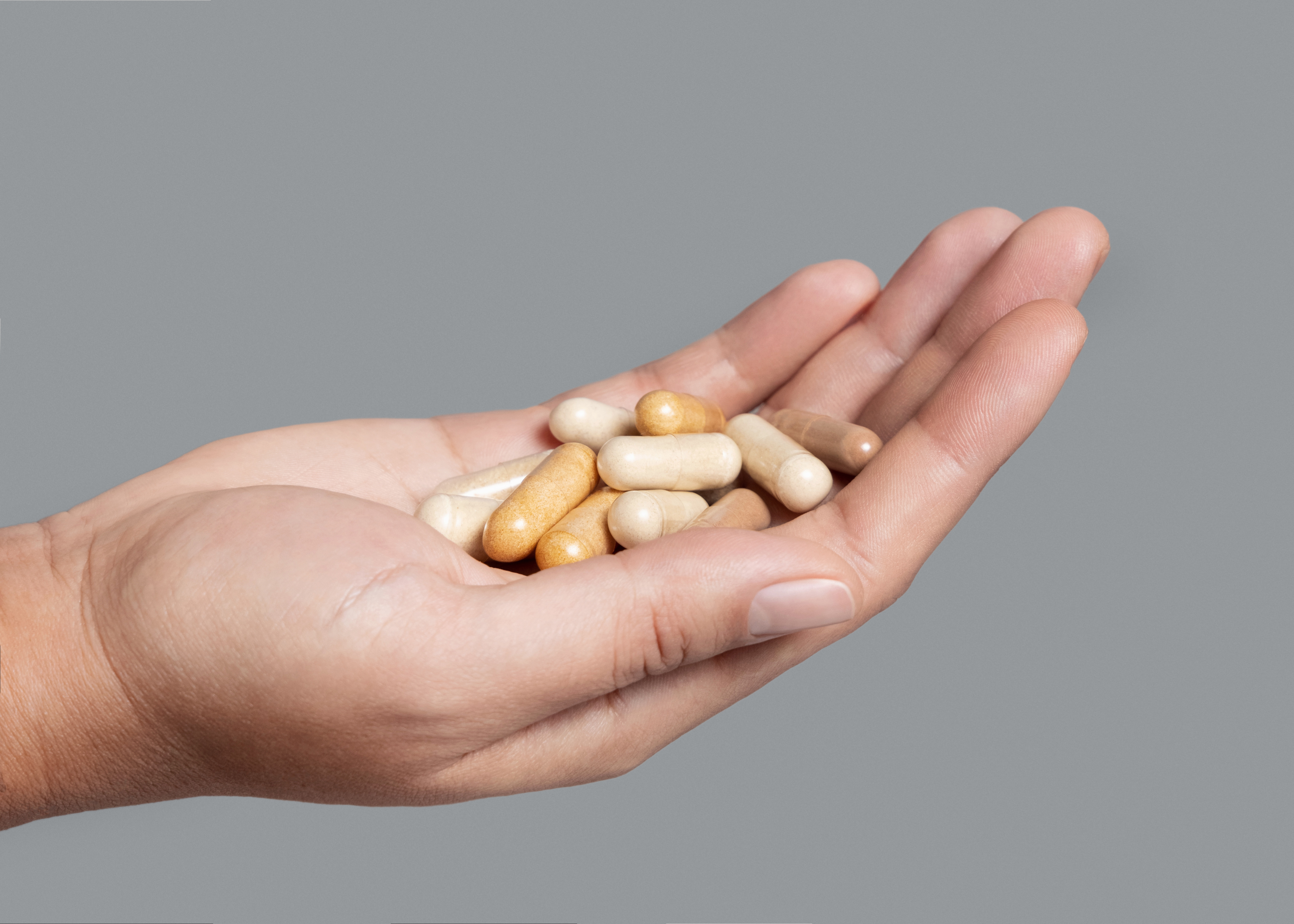
Protein supplements such as shakes, powders, and bars provide a substantial boost of plant- or animal-based protein in a convenient package. You’ll find casein or whey added from dairy or plant-based sources such as pea, rice, hemp, or soy.
How Much Protein Do You Need?
.jpg)
The amount of protein you need each day depends on your age, activity level, weight, and health goals. The minimum protein requirement for adults is 0.8 grams per kilogram of body weight for basic maintenance, which is approximately 54 grams for a 150-pound adult, not accounting for age, goals, or activity level.
However, current research suggests that a minimum of 1.2 grams of protein per kilogram of body weight is necessary for lean muscle support in healthy adults, while active individuals may need even more.5
If you lead an active lifestyle, exercise, or are intentionally losing weight, your nutritional needs may increase significantly. Aiming for 1.6 grams of protein per kilogram of body weight may be most supportive during periods of weight loss, while those participating in intense aerobic or strength training will benefit from 1.4 to 2.0 grams per kilogram.6,7
The timing of your protein matters almost as much as how much you eat. Distributing protein across your meals and snacks, with an emphasis on a high-protein breakfast, can help maintain stable glucose levels throughout the day and reduce hunger between meals.8,9
You may also consider timing your protein intake around exercise, whether it’s aerobic or strength-based training. Eating a protein-rich meal within three to four hours before or after exercise supports muscle repair and recovery. And if you exercise in the morning in a fasted state, you may want to eat a high-protein meal or snack shortly after your workout to support muscle growth.10
Protein and Glucose Control
Protein’s role in metabolic health and glycemic control is multifaceted, supporting healthy blood glucose levels in multiple ways. Starting with protein’s immediate effects on digestion, pairing it with carbohydrates helps slow the digestion and absorption of glucose into the bloodstream. This creates a gentler, more even rise in blood glucose levels, rather than a large spike followed by a sharp crash.
Next, considering protein’s impact on satiety hormones, eating meals high in protein can help you feel fuller for longer, reducing the urge to reach for carbohydrate-rich snacks.2 This creates a positive cycle of better glucose control, which leads to more stable energy, which makes it easier to make nutritious choices throughout the day.
Protein’s glucose-stabilizing effect extends beyond each individual meal as well. As you build and maintain lean muscle mass through adequate protein intake and exercise, you’re also improving your body’s insulin sensitivity, or how effectively your cells respond to insulin as they absorb and use glucose.11
How to Include Protein in Your Diet
.jpg)
Prioritizing protein doesn't require complicated meal plans or restrictive eating patterns. Start by building each meal and snack around a high-quality protein source.
Here are a few good sources of protein to get your creative juices flowing so you can easily assemble balanced meals to support your energy, hunger, and metabolism:
- Eggs or egg whites with breakfast
- Spreading peanut butter on fruit or toast
- Lentil soup
- Grilled chicken or lean ground beef on a salad
- Bean burgers
- Greek yogurt parfaits
- Cottage cheese with berries
- Edamame in stir-fries
- Turkey meatballs with pasta
Rotating between animal- and plant-based proteins will provide a wider variety of micronutrients, fatty acids, and beneficial compounds, such as antioxidants and polyphenols. Try incorporating fish twice a week, experimenting with tofu or tempeh, and exploring different legumes alongside animal protein sources.
Three Common Myths About Protein
.jpg)
There are many misconceptions about protein, stemming from both disproven research and anecdotal evidence that has spread like wildfire. Here, we’re separating some of the most common protein myths from fact:
"More protein is always better.”
Excess protein doesn’t automatically mean more muscle growth or better health. Once you eat enough protein to meet your body’s needs, the leftovers are either used as energy or stored as fat. For people with existing kidney issues, increased protein intake can place additional strain on the kidneys as it’s broken down and excreted, although most healthy kidneys can handle this process without negative effects.12 Once you understand how much protein your body may need in a day, you can aim to reach that goal without overdoing it.
"Plant proteins aren't complete.”
While it's true that most plant proteins lack one or more essential amino acids, your body doesn't need all amino acids in every meal. Eating a variety of plant proteins throughout the day will provide you with the essential amino acids you need without stressing about specific food pairings.13 As for plant-based foods that are complete proteins, you can reach for soy, quinoa, and hemp.
"Protein powders are unnatural.”
Many protein powders undergo minimal processing and are derived from whole foods. Whey and casein powders are simply separated from milk, and pea protein comes from ground yellow peas. While whole-food sources should make up the majority of your intake, powders give you a convenient and quality boost when needed.
How Signos Helps You Optimize Protein Intake
.png)
Finding the right amount and type of protein can make a meaningful difference in how you feel day to day and how well your metabolism responds. With Signos and a continuous glucose monitor (CGM), you can move beyond general protein guidelines and see how your body responds to different protein choices in real time.
By tracking meals alongside glucose data, Signos helps you understand how protein type, portion size, and food combinations influence glucose stability and energy. You can test plant- and animal-based proteins, experiment with protein-forward meals, and explore timing strategies to see what best supports steady blood sugar and sustained satiety.
Signos features that support protein optimization
- Real-time glucose tracking (CGM): See how different protein intakes influence post-meal glucose rise and recovery.
- Meal logging: Log protein type, amount, and pairings to connect specific choices with glucose responses.
- Daily insights (Dailies): Receive quick, actionable feedback on how your daily protein choices supported glucose stability.
- Weekly Insights report: Identify longer-term patterns that reveal which protein strategies leave you feeling energized, satisfied, and metabolically supported.
Experiments to try with Signos
- Protein type comparison: Test meals centered on plant proteins (e.g., legumes or tofu) versus animal proteins (e.g., eggs, poultry, or fish), while keeping other variables consistent.
- Protein intake experiment: Compare moderate versus higher-protein meals to see how portion size affects glucose stability and fullness.
- Meal composition test: Add protein to a carb-forward meal and observe changes in glucose spikes and recovery time.
- Protein timing experiment: Test higher protein earlier in the day versus evenly distributed protein across meals to evaluate energy and glucose response.
By combining real-time glucose data, daily guidance, and weekly trend analysis, Signos helps you build a personalized protein strategy that supports steady energy, better glucose control, and long-term metabolic health, without guesswork.
The Bottom Line
Protein is essential for building muscle, maintaining energy, and supporting metabolic health. Choosing a variety of both plant- and animal-based high-quality protein sources, along with regularly spaced meals and snacks, helps stabilize glucose levels, control appetite, and support long-term wellness. Using data from continuous glucose monitoring can help you personalize your protein approach with evidence and patterns of how your body actually responds.
Learn More With Signos’ Expert Advice
With Signos, you get a comprehensive approach to improving your health through personalized insights about how your body responds to food, exercise, and other lifestyle choices. Explore the blog to dive deeper into the science behind glucose, metabolic health, and strategies to feel your best.
Topics discussed in this article:
References
- https://www.ncbi.nlm.nih.gov/books/NBK557845/
- https://pmc.ncbi.nlm.nih.gov/articles/PMC7539343/
- https://pmc.ncbi.nlm.nih.gov/articles/PMC11171741/
- https://www.mdpi.com/2076-3417/15/7/3538
- https://onlinelibrary.wiley.com/doi/10.1002/jcsm.12922
- https://pmc.ncbi.nlm.nih.gov/articles/PMC7539343/
- https://www.mdpi.com/2072-6643/17/3/498
- https://www.mdpi.com/2072-6643/13/8/2840
- https://drc.bmj.com/content/10/3/e002820
- https://www.jospt.org/doi/10.2519/jospt.2018.0615
- https://pmc.ncbi.nlm.nih.gov/articles/PMC7483278/
- https://pmc.ncbi.nlm.nih.gov/articles/PMC6566799/
- https://pmc.ncbi.nlm.nih.gov/articles/PMC8804093/

.svg)


.webp)

.jpg)



.svg)
.svg)
.svg)
.svg)
.svg)
.svg)
.svg)
