

Key Takeaways
- Balanced bowls with protein, fiber, and healthy fats support steady glucose and energy.
- Ingredients like lentils, quinoa, salmon, chickpeas, and roasted veggies offer slow-digesting carbohydrates and metabolic benefits.
- Tracking your glucose response with Signos helps personalize your winter bowl combos to keep you on track with your health goals.
that {{mid-cta}}
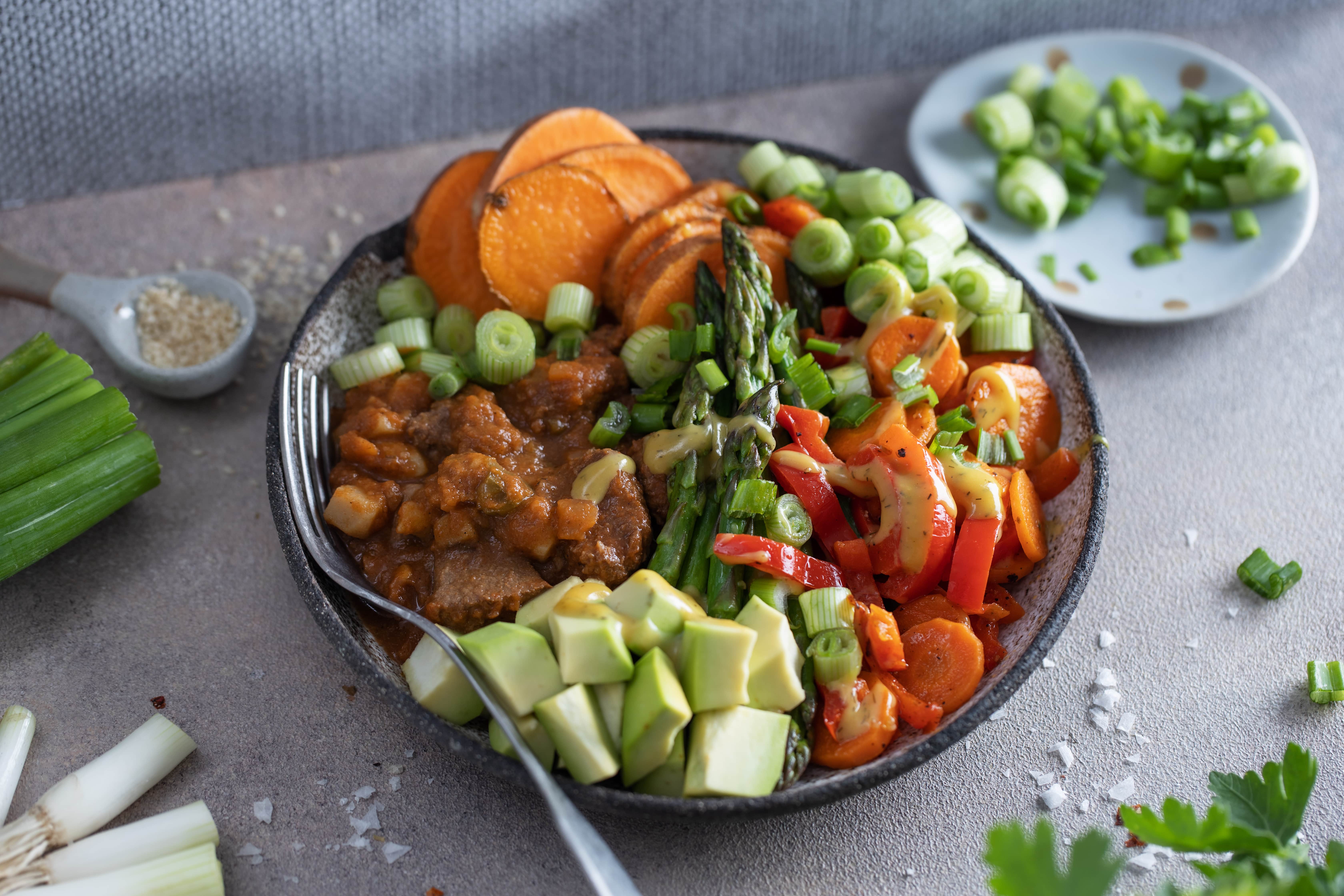
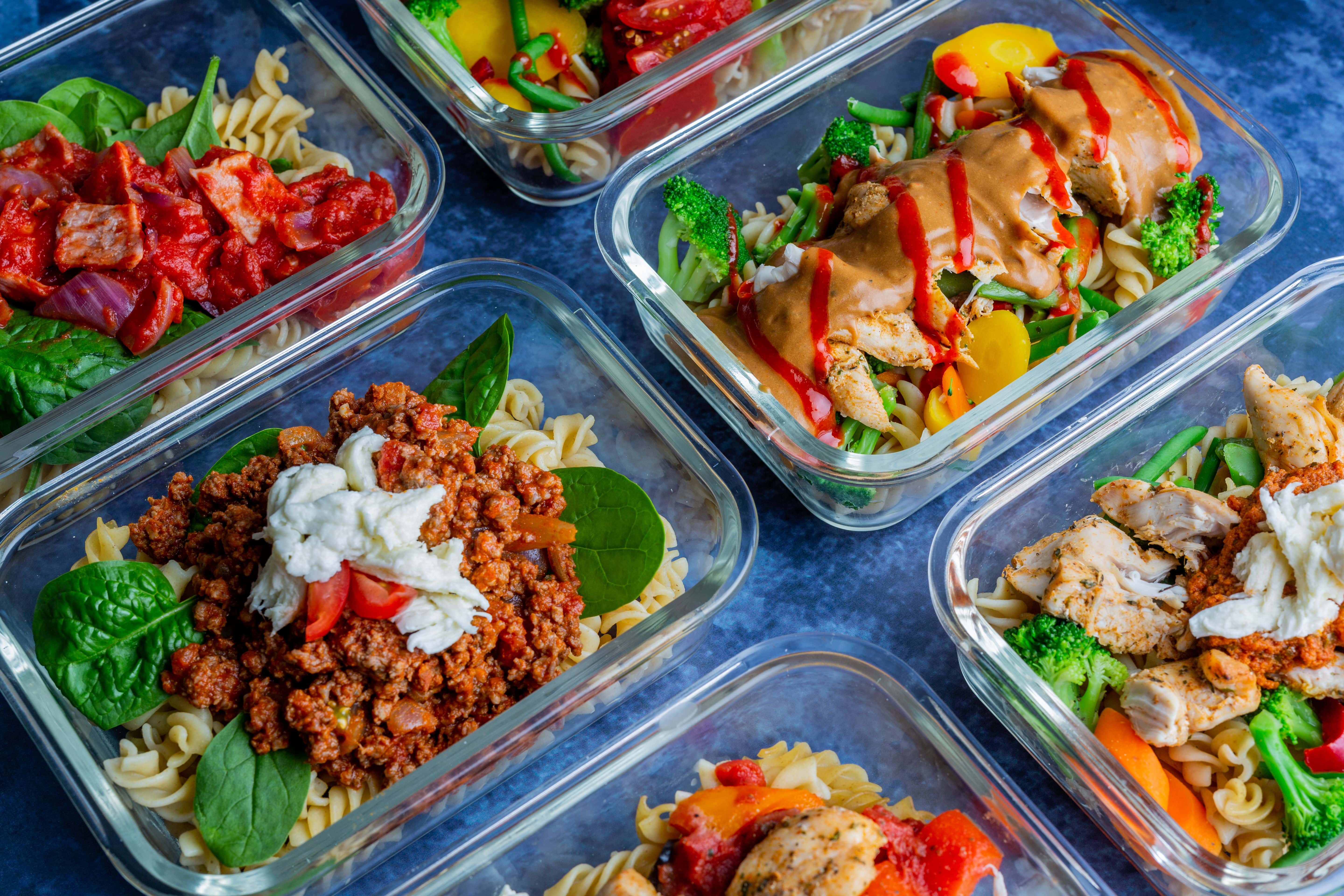
Comfort food and stable blood sugar can coexist. When the weather cools, warm winter bowls offer a cozy, nutrient-dense way to boost fiber, increase protein, and balance carbohydrates, which are all key for minimizing glucose spikes. These five bowls keep you full, focused, and energized, without sacrificing flavor.
Why Bowl Meals Work for Glucose Stability
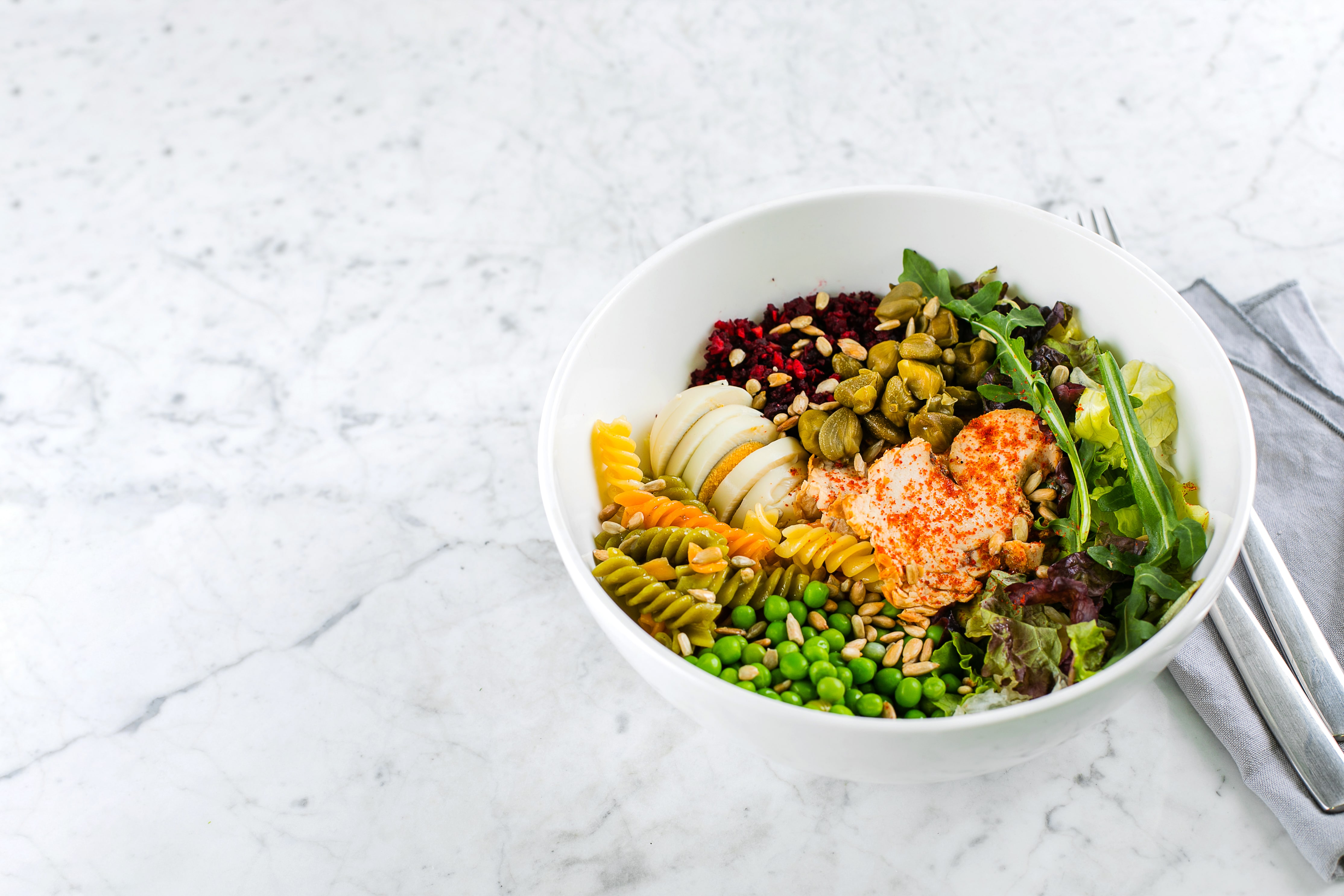
Bowl meals are naturally structured to balance the three macronutrients that influence glucose: protein, fiber, and healthy fats. Protein slows gastric emptying, helping reduce post-meal glucose spikes, while fiber from veggies, legumes, and whole grains slows the rate at which carbohydrates enter the bloodstream.1 Healthy fats from foods like olive oil, avocado, or tahini slow the process of digestion and absorption, which creates an even steadier glucose curve.
Portioning is also easier with bowls. A nutrient-dense winter bowl typically includes ¼ plate of protein, ¼ plate of complex carbohydrates, and ½ plate of veggies. This ratio supports metabolic health by prioritizing fiber-rich foods that increase satiety and also offer antioxidants like vitamin A.
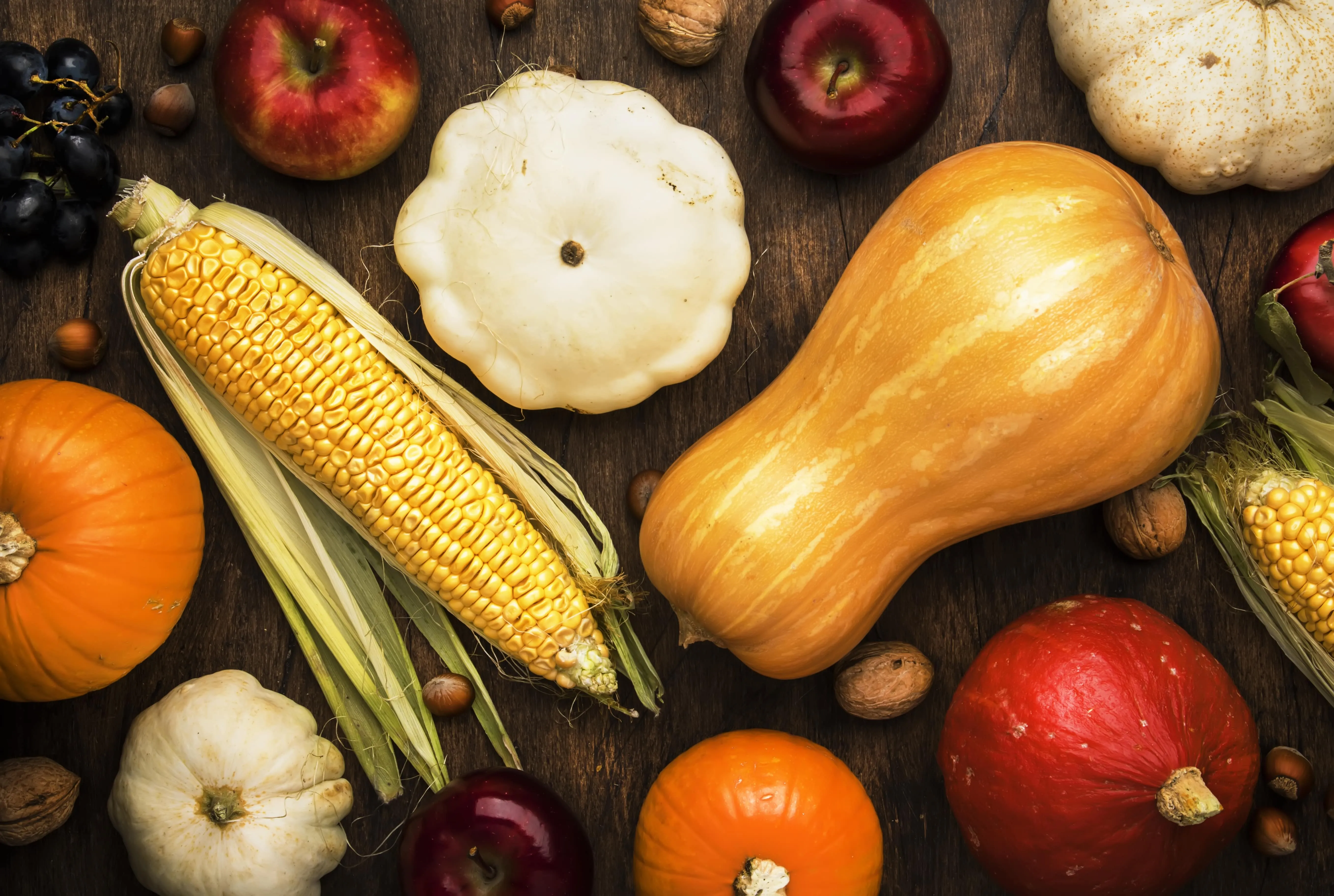
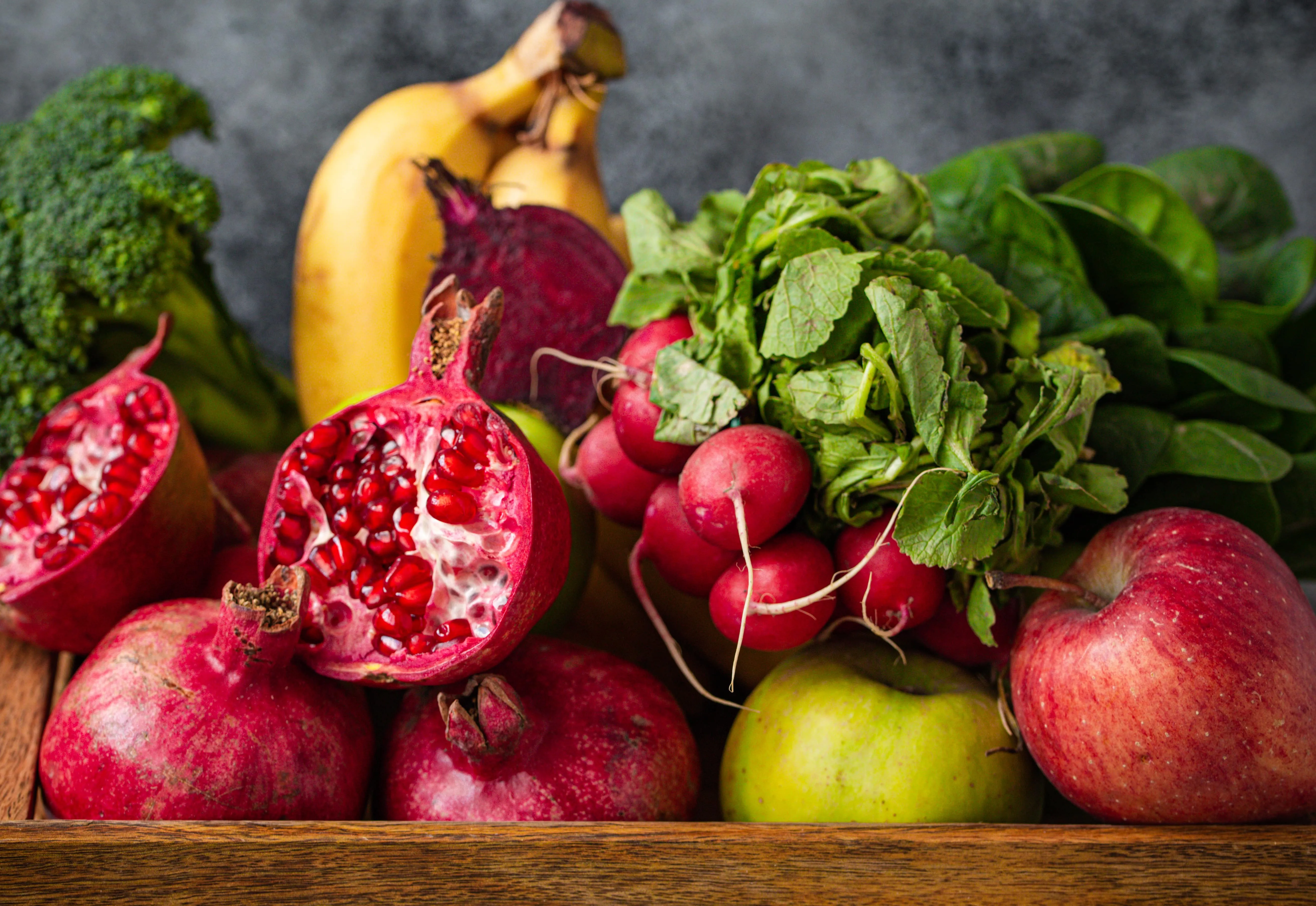
Colorful roasted vegetables like sweet potatoes, bell peppers, Brussels sprouts, and squash bring more than just flavor. They provide phytonutrients that can support gut health and reduce inflammation, helping to improve overall glucose control.2
Below are our favorite power bowls that will warm you up and steady your blood sugar.
Bowl #1: Roasted Veggie Quinoa Power Bowl
Serves 2
Ingredients:
- 1 cup cooked quinoa
- 1 cup roasted veggies (sweet potatoes, brussels sprouts, and cauliflower florets)
- 1 cup chickpeas, roasted until crispy
- 2 tbsp tahini + 1 tbsp lemon juice + warm water to thin
- 1 tbsp extra-virgin olive oil
- Fresh herbs or greens (parsley or arugula)
- Pinch of sea salt and pepper
Directions:
- Roast vegetables at high heat (425°F) for 25–30 minutes until caramelized.
- Toss chickpeas with olive oil and spices, roast 20 minutes until crispy.
- Assemble quinoa, roasted veggies, and chickpeas in bowls.
- Drizzle with tahini dressing and a squeeze of lemon juice. Add herbs.
Why It Supports Glucose
This gluten-free bowl is packed with fiber from quinoa and roasted vegetables, plus chickpeas provide protein for steady energy. Quinoa provides complex carbohydrates that digest more slowly than refined grains.3 The healthy fats from tahini and olive oil in this plant-based dish help stabilize post-meal glucose and keep you fuller longer.
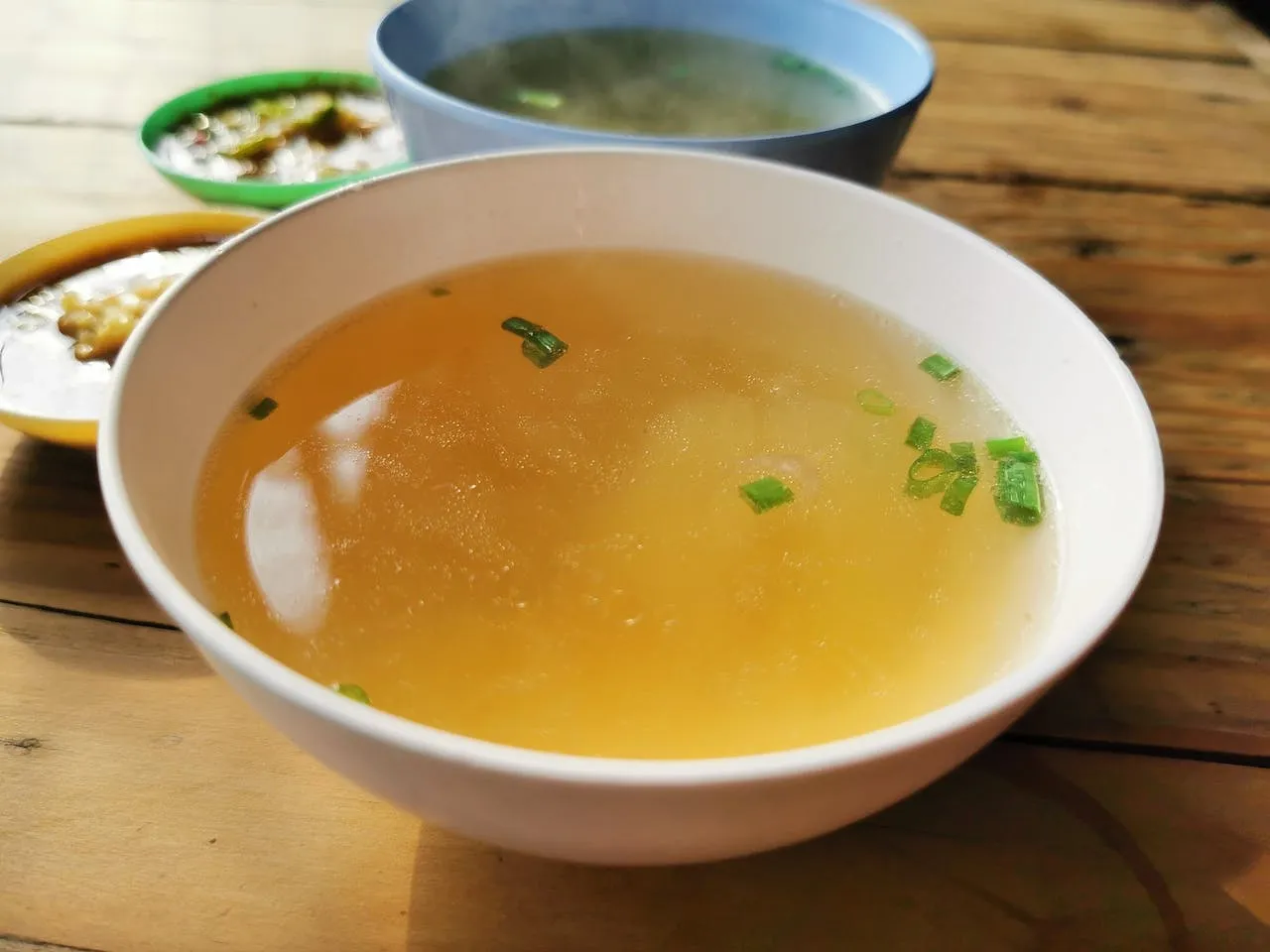
Bowl #2: Hearty Lentil and Kale Soup Bowl
Serves 3–4
Ingredients:
- 1 cup dry lentils
- 1 chopped red onion
- 2 diced carrots
- 1 cup diced sweet potatoes
- 2 cups chopped kale
- 4 cups vegetable broth or bone broth
- 1 tbsp olive oil
- Fresh herbs (thyme or rosemary)
Directions:
- Sauté onion and carrots in olive oil until softened.
- Add lentils, sweet potatoes, broth, and herbs. Simmer 25 minutes.
- Stir in kale for the final 5 minutes until wilted.
Why It Supports Glucose
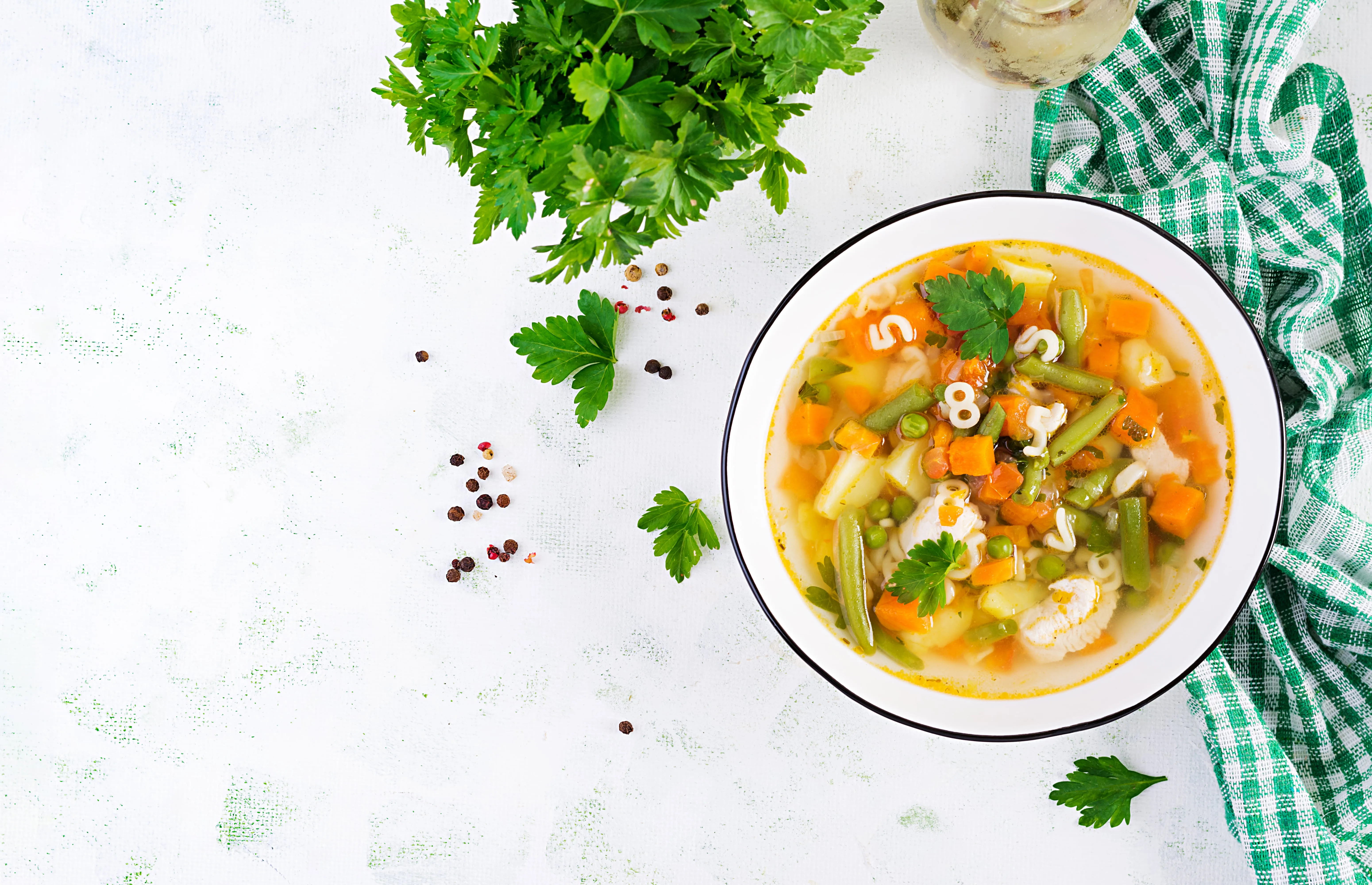
Lentils provide protein and fiber, slowing digestion and helping stabilize glucose levels compared to low-fiber carbs.4 Bone broth is a high-protein alternative to vegetable stock and has the same great flavor. This bowl is naturally sugar-free, low in saturated fat, and rich in potassium and antioxidants. It’s ideal for those interested in a dairy-free yet delicious comfort bowl.
Bowl #3: Turkey and Sweet Potato Comfort Bowl
Serves 2
Ingredients:
- 8 oz ground turkey
- 1 cup roasted sweet potatoes
- 1 cup sautéed spinach or kale
- ½ cup black beans
- 1 tbsp olive oil
- Spices: paprika, garlic, sea salt
Directions:
- Brown turkey in a skillet with seasonings.
- Roast sweet potatoes in olive oil (425°F, 20–25 minutes).
- Sauté spinach or kale until wilted.
- Combine all ingredients into a warm, hearty bowl.
Why It Supports Glucose
Pairing complex carbs like sweet potatoes with lean, high-protein turkey reduces post-meal spikes. The fiber from roasted sweet potatoes and black beans slows carbohydrate absorption, while sautéed greens add antioxidants, such as vitamin A. This healthy meal feels comforting and is a great addition to your meal plans.
Bowl #4: Salmon and Winter Grain Bowl
Serves 2
Ingredients:
- 2 salmon fillets
- 1 cup farro (or substitute brown rice for a gluten-free version)
- 1 cup roasted delicata or butternut squash
- 1 tbsp olive oil
- Optional: feta or lemon vinaigrette
Directions:
- Roast squash at high heat until tender and caramelized.
- Cook grains according to package directions.
- Pan-sear or bake salmon until crisp and flaky.
- Assemble bowl with grains, roasted squash, salmon, and a drizzle of olive oil or vinaigrette.
Why It Supports Glucose:
Salmon is rich in omega-3 fatty acids, which have been shown to improve insulin sensitivity and reduce inflammation.5 When paired with fiber-dense whole grains and roasted veggies, this grain bowl is more blood sugar-friendly than traditional rice bowls or pasta dishes. Farro adds texture, protein, and slow-digesting carbohydrates that will keep you full for hours.
Bowl #5: Warm Mediterranean Chickpea Bowl
Serves 2
Ingredients:
- 1 can chickpeas (drained and rinsed)
- 1 small eggplant, cubed
- 1 zucchini, sliced
- 1 red onion, sliced
- 2 tbsp olive oil
- Spices: cumin, paprika, oregano
- Optional: hummus or tahini drizzle
Directions:
- Roast eggplant, zucchini, and onion with olive oil and spices until golden.
- Warm chickpeas in a skillet with a splash of olive oil and seasoning.
- Serve with fresh herbs and a spoonful of hummus or a drizzle of tahini.
Why It Supports Glucose
Plant-based fats (olive oil, tahini) plus complex carbohydrates from chickpeas create a satisfying dish that will give you steady energy. Chickpeas offer resistant starch, which supports gut health and improves glycemic response.6 This bowl is naturally dairy-free and loaded with fiber from roasted veggies, making it a great bowl recipe for metabolic balance.
4 Tips for Personalizing Your Winter Bowls
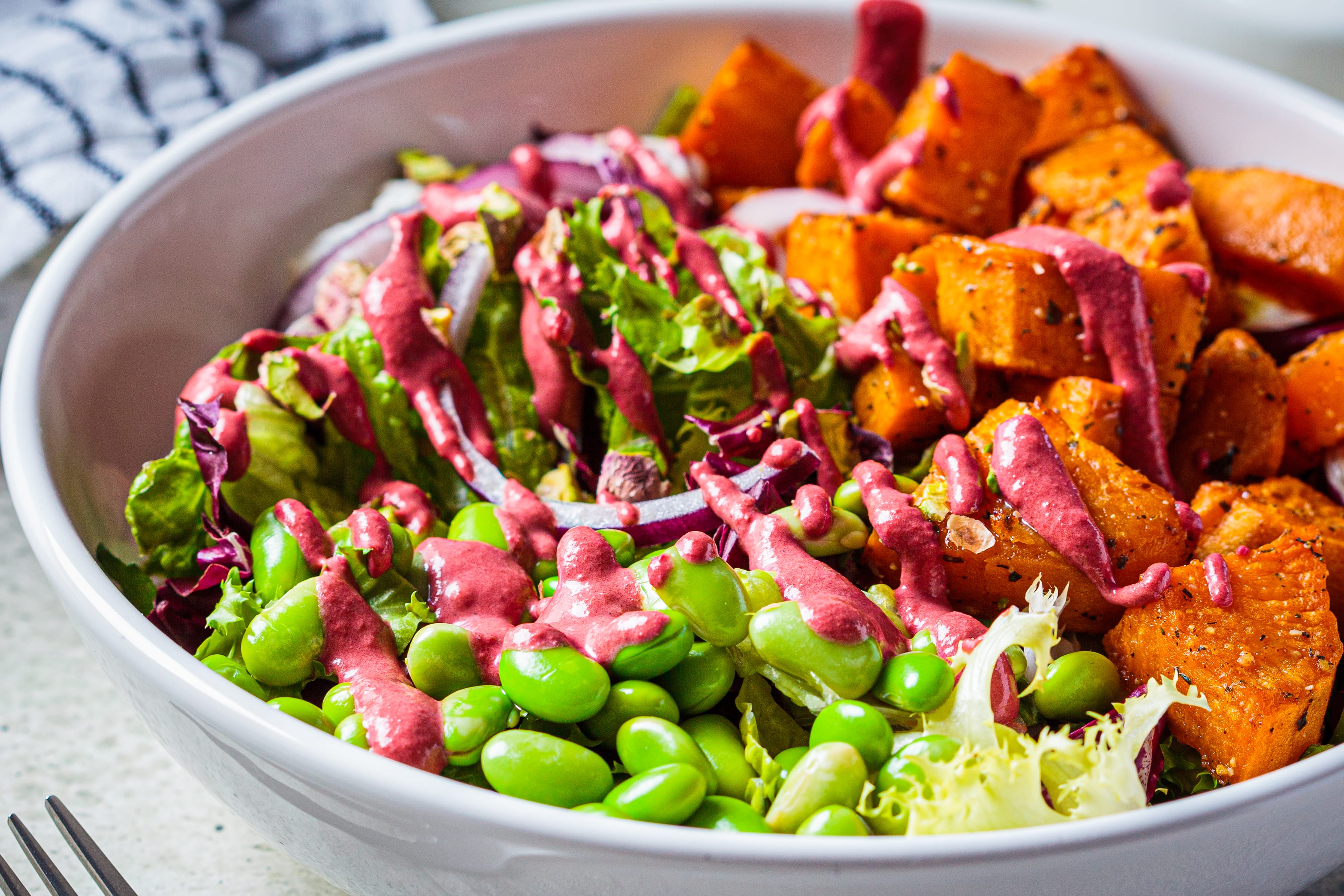
- Swap grains and proteins. If you eat brown rice regularly, try swapping it for farro, quinoa, or barley instead. Typical protein options like chicken, turkey, or salmon can be swapped for tofu or black beans.
- Use spices and herbs generously. Paprika, cumin, rosemary, and fresh herbs add big flavor and phytonutrients. Fresh or dried, you can’t go wrong.
- Add healthy fats. Olive oil, tahini, or avocado turns down hunger hormones and helps blunt glucose spikes.
- Track your responses with Signos. Your CGM shows how different foods, like grains and veggies, affect your glucose levels in real time. This allows you to personalize your bowl recipes for optimal metabolic health.
The Bottom Line
Warm winter bowls offer comfort, flavor, and metabolic benefits in every bite. By combining protein, fiber, and healthy fats, these bowls will keep your glucose steady and your energy stable. With Signos, you can fine-tune each bowl to your body’s unique glucose responses and enjoy hearty meals that support long-term health.
Topics discussed in this article:
References
- Slavin JL. Dietary fiber and body weight. Nutrition. 2005;21(3):411-418. doi:10.1016/j.nut.2004.08.018
- Kan J, Wu F, Wang F, et al. Phytonutrients: Sources, bioavailability, interaction with gut microbiota, and their impacts on human health. Front Nutr. 2022;9:960309. Published 2022 Aug 16. doi:10.3389/fnut.2022.960309
- Navruz-Varli S, Sanlier N. Nutritional and health benefits of quinoa. J Cereal Sci. 2016;69:371–376.doi.org/10.1016/j.jcs.2016.05.004
- Mudryj AN, Yu N, Aukema HM. Nutritional and health benefits of pulses. Appl Physiol Nutr Metab. 2014;39(11):1197-1204. doi:10.1139/apnm-2013-0557
- Li J, Lin YC, Zuo HL, et al. Dietary Omega-3 PUFAs in Metabolic Disease Research: A Decade of Omics-Enabled Insights (2014-2024). Nutrients. 2025;17(11):1836. Published 2025 May 28. doi:10.3390/nu17111836
- Petrie JR, Choudhary P, Bergenstal RM, et al. Repetition of this hyper- and hypoglycemic rollercoaster contributes to a spiral of glucose variability that leads to long-term complications in type 1 diabetes. J Diabetes Sci Technol. 2023;17(1):46-56. doi:10.1016/j.jdst.2022.11.006

.svg)

.svg)
.svg)
.svg)
.svg)
.svg)
.svg)
.svg)
