


Key Takeaways
- Small increases in veggies still matter and can improve glucose stability and metabolic health.
- You don’t have to force yourself to eat veggies you hate; find milder options, better textures and cooking styles, or veggie-forward alternatives to help you eat veggies consistently.
- Personalized feedback from Signos can show you which veggies and amounts work best for your body.
that {{mid-cta}}
Vegetables are packed with beneficial fiber, phytochemicals, vitamins, and minerals that help prevent chronic diseases, support metabolic health, and stabilize blood glucose.1 But not everyone enjoys eating them.
In fact, the Centers for Disease Control and Prevention (CDC) analyzed data from the 2019 Behavioral Risk Factor Surveillance System (BRFSS). They found that only 10% of Americans meet the 2–3 cups per day recommendation for vegetables.2
If you struggle with the taste or texture of veggies, there are creative ways to incorporate them into meals without feeling like you’re forcing it and still reap the benefits of healthy eating.
Whatever the reason, this guide shares easy strategies to boost your intake, veggie swaps, and glucose-friendly hacks to make eating vegetables more enjoyable and achievable.
Why Veggies Matter for Metabolic and Glucose Health

Vegetables (and other plant-based foods like fruit, whole grains, and beans) contain fiber. Fiber slows glucose absorption, helping keep blood glucose levels stable and reducing spikes. Fiber from veggies adds volume to meals, leading to steadier energy, fewer crashes, and improved glycemic variability over time.1,3
A 2021 meta-analysis included 22 randomized controlled trials (RCTs) with 911 participants and found that adding 10 g of fiber daily significantly decreased HbA1c, fasting blood glucose, and fasting insulin levels compared with the control group.3
Additionally, diets high in fiber and leafy green vegetables are associated with lower risks of type 2 diabetes and improved glycemic control. A 2022 RCT of 84 adults with type 2 diabetes found that increasing raw veggie intake by two servings daily for 12 weeks resulted in a 3.1% reduction in HgbA1c, a 76 mg/dL reduction in fasting glucose, and a 156 mg/dL reduction in post-meal blood glucose.4
In addition to the fiber benefits, veggies are packed with antioxidants and phytochemicals that support metabolic function. More than 5,000 phytochemicals have been identified, but many remain unknown. Many of these antioxidants and phytochemicals may work together to prevent diseases, support gut health, reduce inflammation, and help improve insulin sensitivity.1,5
Knowing why vegetables matter is one thing, but identifying why you don’t eat or enjoy them can help you create a practical strategy to overcome the barriers.
Identify Why You Don’t Like Vegetables

Start with pinpointing the reason(s) you don’t like vegetables. Reasons can vary, but here are some common ones:
- Taste sensitivity: You strongly dislike bitterness or earthy flavors from phytochemicals. Interestingly, some people are “super-tasters,” meaning they have two copies of a specific gene that makes bitter tastes even stronger than those without.6
- Texture issues: you don’t enjoy mushy, stringy, or too crunchy sensations often associated with vegetables.
- Preparation fatigue: the work to prepare vegetables is too burdensome, or you might be unsure how to prepare and cook veggies so they taste good
- Bad childhood experiences with overcooked, tasteless, or mushy veggies or being forced to eat them can create a lasting aversion.
- Lack of exposure to variety: food exposure during childhood was limited, and now you are sensitive to new foods, tastes, and textures.
Understanding the root helps tailor a strategy. Consider reasons why you dislike vegetables and compare those to vegetables and other plant-based foods you do enjoy.
Start With “Gateway Veggies” That Taste Good to Most People

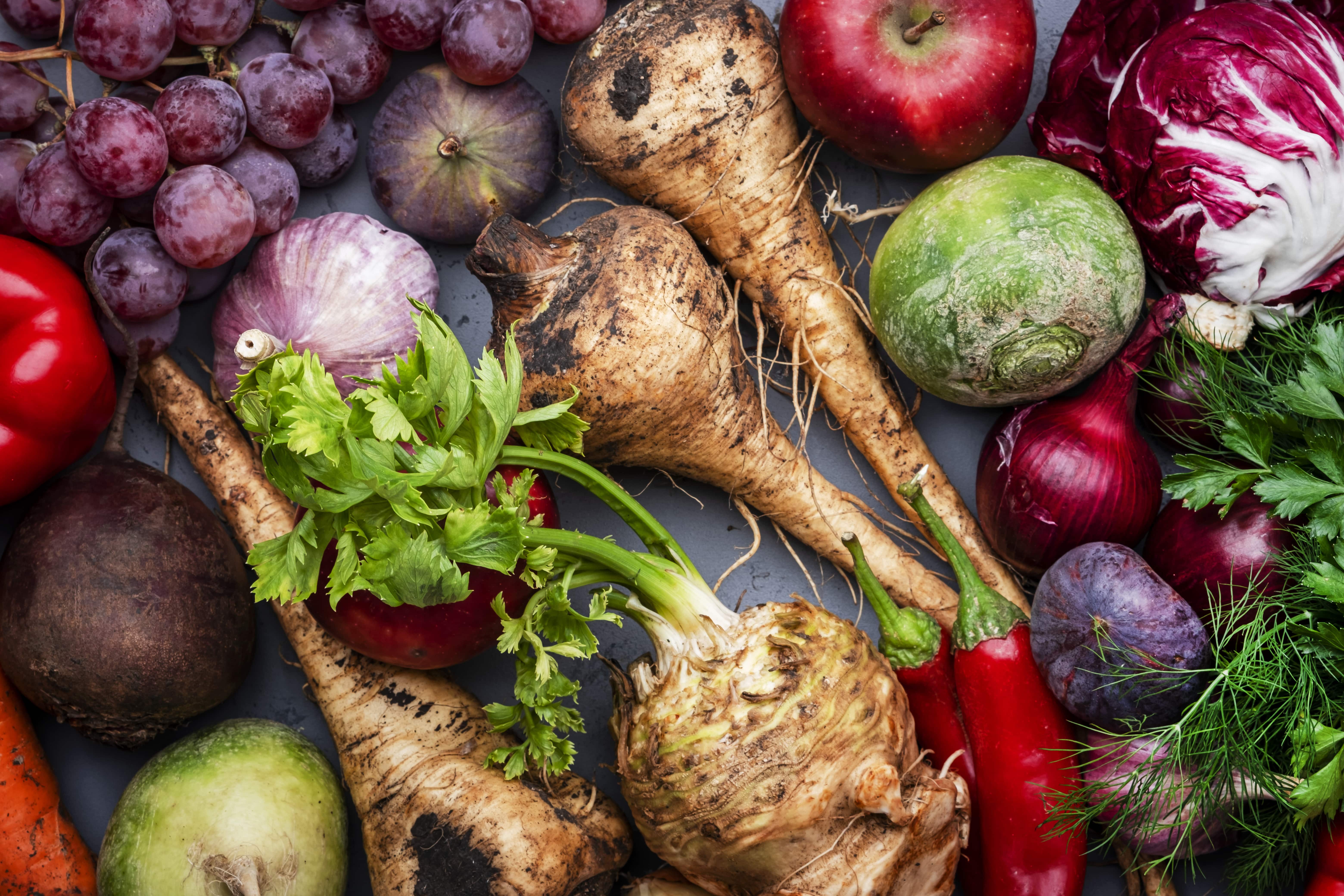
If you haven’t tried the following vegetables, consider these “gateway veggies;” they're naturally sweeter, milder, or less bitter, and can be prepared in appealing ways that open the door to trying other vegetables.
- Carrots: raw, with dipping sauce, or roasted in oil
- Cucumbers: raw, with dipping sauce, or chopped into a salad
- Sweet (and other types) potatoes: baked or cut into sweet potato fries
- Zucchini: roasted or sautéed with oil
- Cherry tomatoes: raw, with dipping sauce, or quartered on a salad
- Bell peppers: raw, with dipping sauce, or roasted and sautéed
- Squash: roasted butternut or acorn squash, easy to blend into soups
- Corn: cooked on or off the cob with oil or butter
- Baby spinach: mild flavor, easy to blend into smoothies, or serve as a salad
Try these sweeter options that are less bitter than cruciferous veggies (broccoli, cabbage, cauliflower, turnips, or radishes) or dark green leafy veggies.
Use Flavor Boosters to Make Veggies Actually Taste Good
The way vegetables are prepared can make them taste wonderful!
- Roasting enhances the sweetness as natural sugars are caramelized.
- Add sauces or dips to boost the flavor: try hummus, tzatziki, tahini, or vinaigrettes.
- Cook veggies in broth instead of water for added flavor.
- Experiment with spices such as garlic, chili flakes, cumin, and smoked paprika.
- Add a sprinkle of cheese (parmesan or cheddar) or nutritional yeast.
- Sauté in olive oil for better texture and richness.
Fun fact: sautéeing with healthy fats (olive or avocado oil) enhances the absorption of fat-soluble vitamins (A, D, E, and K). Sautéing also preserves around 85-95% of the original vitamins, minerals, and antioxidants. So eat them cooked if that’s the way you enjoy them!7
Hide Veggies in Meals (You Won’t Even Notice)
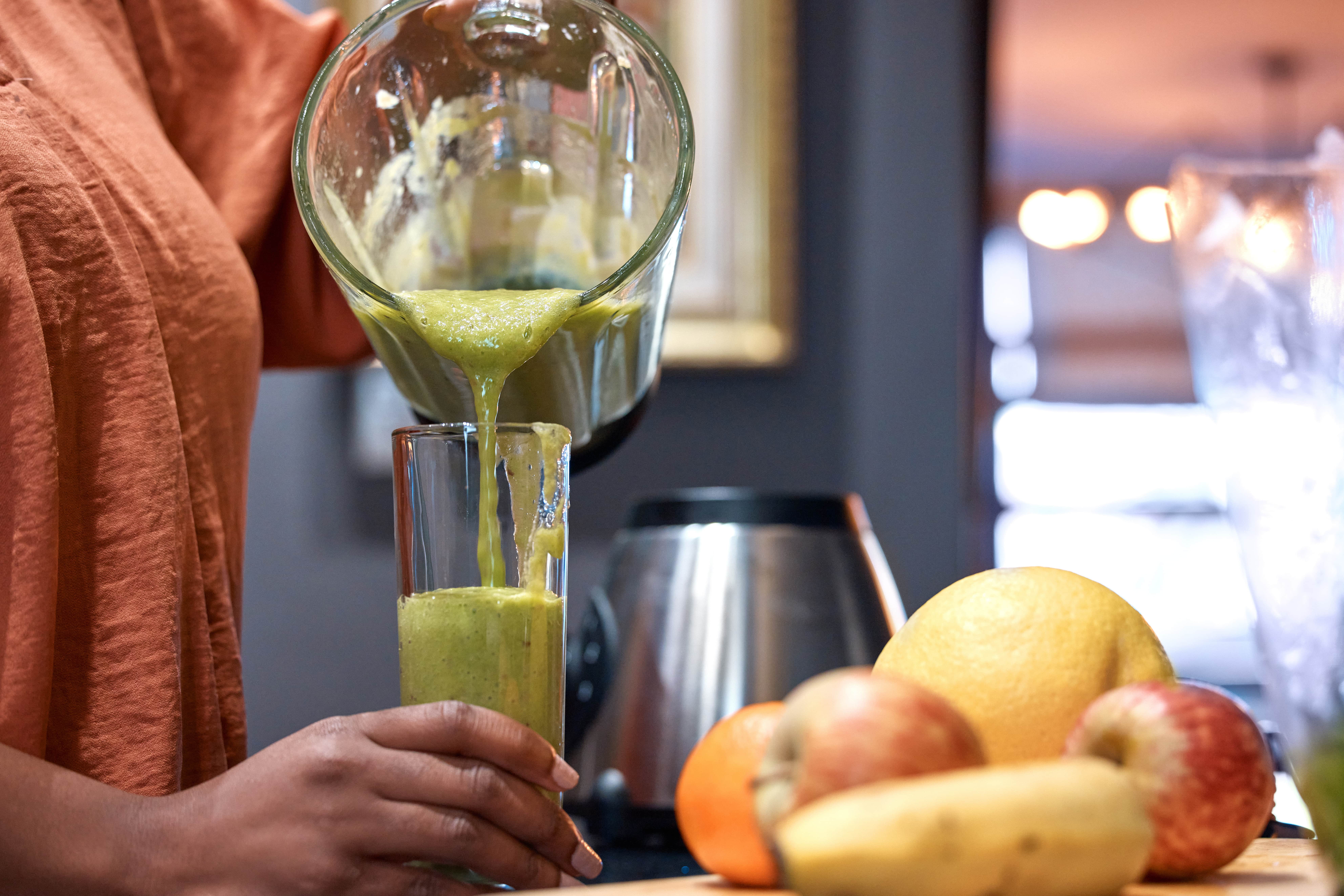
If you are really struggling to eat vegetables, try hiding them in recipes where other flavors overpower their taste.
- For smoothie lovers, blend fresh spinach or riced cauliflower with fruit, ground flaxseed, and Greek yogurt.8
- Add frozen or fresh riced cauliflower to fried rice or grain bowls to sneak in some veggies. Start by replacing ¼ to ⅓ of the rice.
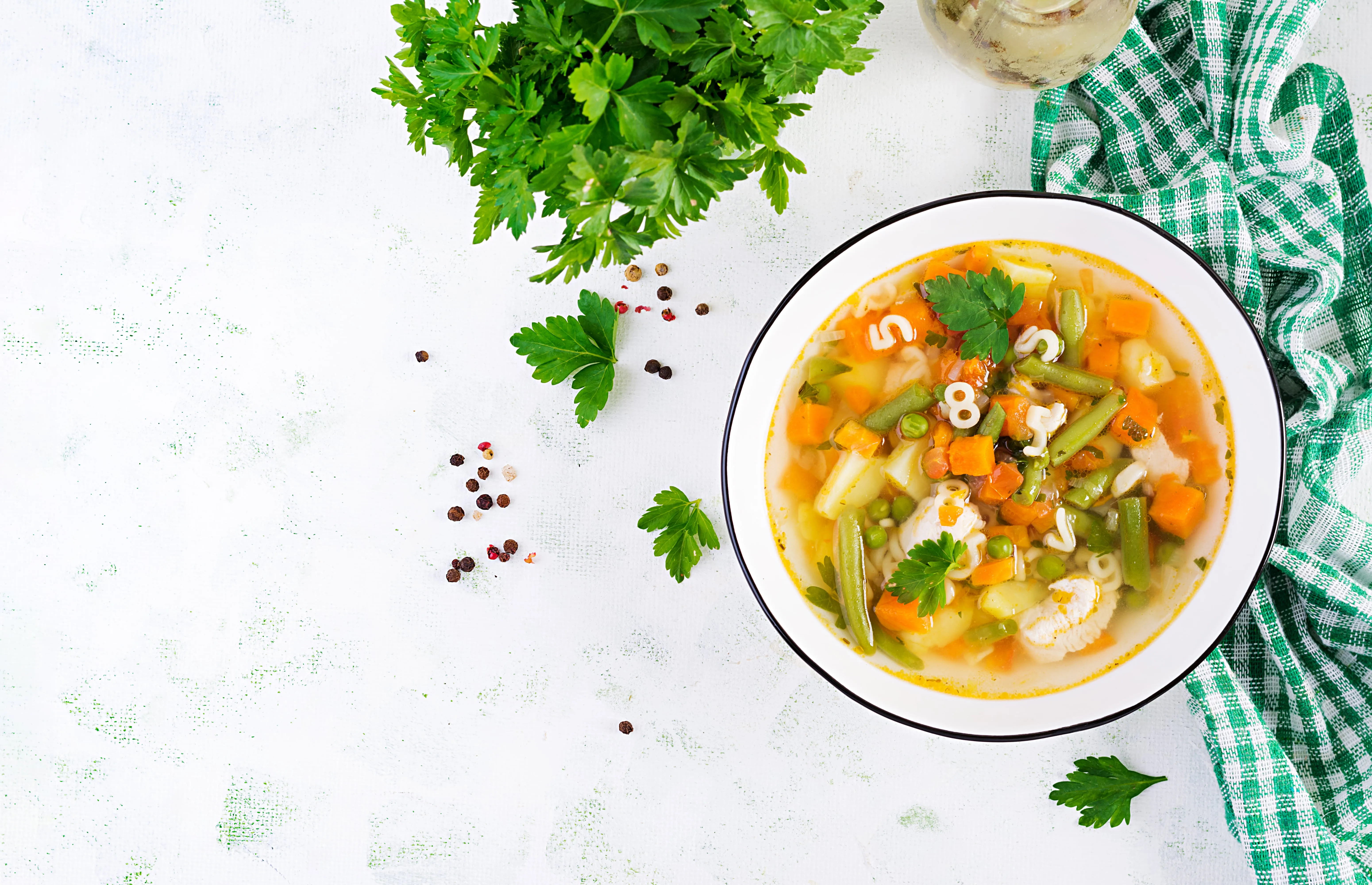
- Use blended and cooked veggies in sauces or soups: try carrot marinara, bell pepper marinara, spinach pesto, tomato sauce, and harvest pumpkin soup.9,10
- Mix chopped mushrooms or finely diced onions into ground meat.
These options increase fiber and help you eat more vegetables without significantly altering the flavor of classic foods.
Swap Vegetables for Veggie-Forward Alternatives
If you truly dislike most veggies, try some high-fiber plant-based alternatives that still boost your fiber intake and contain loads of vitamins, minerals, and phytochemicals.
- Try veggie-based pastas (lentil pasta or chickpea pasta) loaded with fiber!
- Consider soups or purees with veggies or beans as easier entry points.
- Use veggie powders (greens powders, beet powder) in soups or smoothies for small nutrient boosts.
- Try fermented veggies (kimchi, pickles) if the mushy texture is the issue—they’re crunchy and tangy. Plus, you’ll boost your gut health.
Build a Balanced Plate Even If You Don’t Love Veggies
If you are still building up to larger portions of vegetables, create a balanced plate to gain the metabolic health benefits!
- Pair a smaller portion of veggies you can handle with protein and healthy fats. To further boost fiber intake, consider adding a small serving of fruit, beans, or whole grains to help stabilize glucose levels.
- Use dips or dressings to help veggies go down more easily.
- Focus on variety over volume; little bits of veggies throughout the day add up.
Track how small veggie or fiber-rich plant-based additions affect your glucose levels using Signos. You may find improvement after relatively small additions!
How Signos Helps You Find Veggies That Work for You
.png)
Even if you’re not yet eating the recommended 2–3 cups of vegetables per day, your glucose levels can start improving with much smaller increases, often motivating you to gradually bump up your servings.
With continuous glucose monitoring and the Signos app, you can see how simple veggie swaps and preparation methods affect your glucose in real time. Adding vegetables to meals or pairing a small veggie-and-protein snack can smooth post-meal spikes and support steadier energy throughout the day.
Signos features at work:
- Real-time glucose feedback: See how different vegetables (raw vs. roasted, starchy vs. non-starchy) impact your post-meal glucose.
- Meal logging: Track meals alongside glucose data to identify which veggies or veggie-forward alternatives improve energy and reduce glucose variability.
- Weekly Insights: Spot trends as you increase fiber-rich vegetables, connecting higher veggie intake with satiety, smoother curves, and improved day-to-day stability. Review how consistent veggie additions influence your overall glucose patterns, not just individual meals.
Experiments to try with Signos
- Veggie swap test: Replace a refined-carb side (like white rice or fries) with a non-starchy vegetable and compare post-meal glucose curves.
- Preparation method experiment: Test the same vegetable prepared raw, steamed, or roasted to see which produces the most stable response.
- Veggie + protein pairing: Add protein (eggs, tofu, chicken, Greek yogurt dip) to a veggie snack and observe changes in spike height and recovery time.
- Fiber ramp-up week: Gradually add one extra serving of vegetables per day and use Weekly Insights to track changes in glucose variability and fullness.
This approach helps you move beyond “eat more vegetables” and instead identify the vegetables and habits that actually work best for your metabolism.
The Bottom Line
Don’t force down huge salads or mushy, overcooked veggies to reap the rewards of vegetables! Start small: opt for sweeter, mild options, add flavor or healthy oil, sauté or roast veggies, hide them in dishes, or explore veggie-forward alternatives.
Each small veggie addition increases fiber intake, supports gut health and glucose stability, helps prevent chronic disease, and builds sustainable eating habits over time.1,3,4,5
Learn More With Signos’ Expert Advice
A CGM can monitor how small changes, such as increasing your veggie intake, can support metabolic wellness and improve your overall health. Learn more about glucose levels and tracking on the Signos blog, written by health and nutrition experts.
Topics discussed in this article:
References
- https://pubmed.ncbi.nlm.nih.gov/23674808/
- https://www.cdc.gov/mmwr/volumes/71/wr/mm7101a1.htm
- https://www.sciencedirect.com/science/article/pii/S1756464621001493
- https://pubmed.ncbi.nlm.nih.gov/35836691/
- https://pubmed.ncbi.nlm.nih.gov/37720378/
- https://www.bbc.com/news/health-50387126
- https://www.ars.usda.gov/ARSUserFiles/80400525/Data/retn/retn06.pdf
- https://www.yummytoddlerfood.com/toddler-smoothies-with-hidden-veggies/
- https://www.yummytoddlerfood.com/hidden-veggie-pasta-sauce/
- https://www.everydayeileen.com/harvest-pumpkin-soup-pumpkinweek/#recipe

.svg)





.webp)


.svg)
.svg)
.svg)
.svg)
.svg)
.svg)
.svg)
