

Key Takeaways
- Low-glycemic root vegetables are high-fiber, nutrient-dense foods that support metabolic and heart health, as well as overall wellness.
- Pairing root vegetables with whole foods can make your fall seasonal meals tasty and satisfying.
that {{mid-cta}}
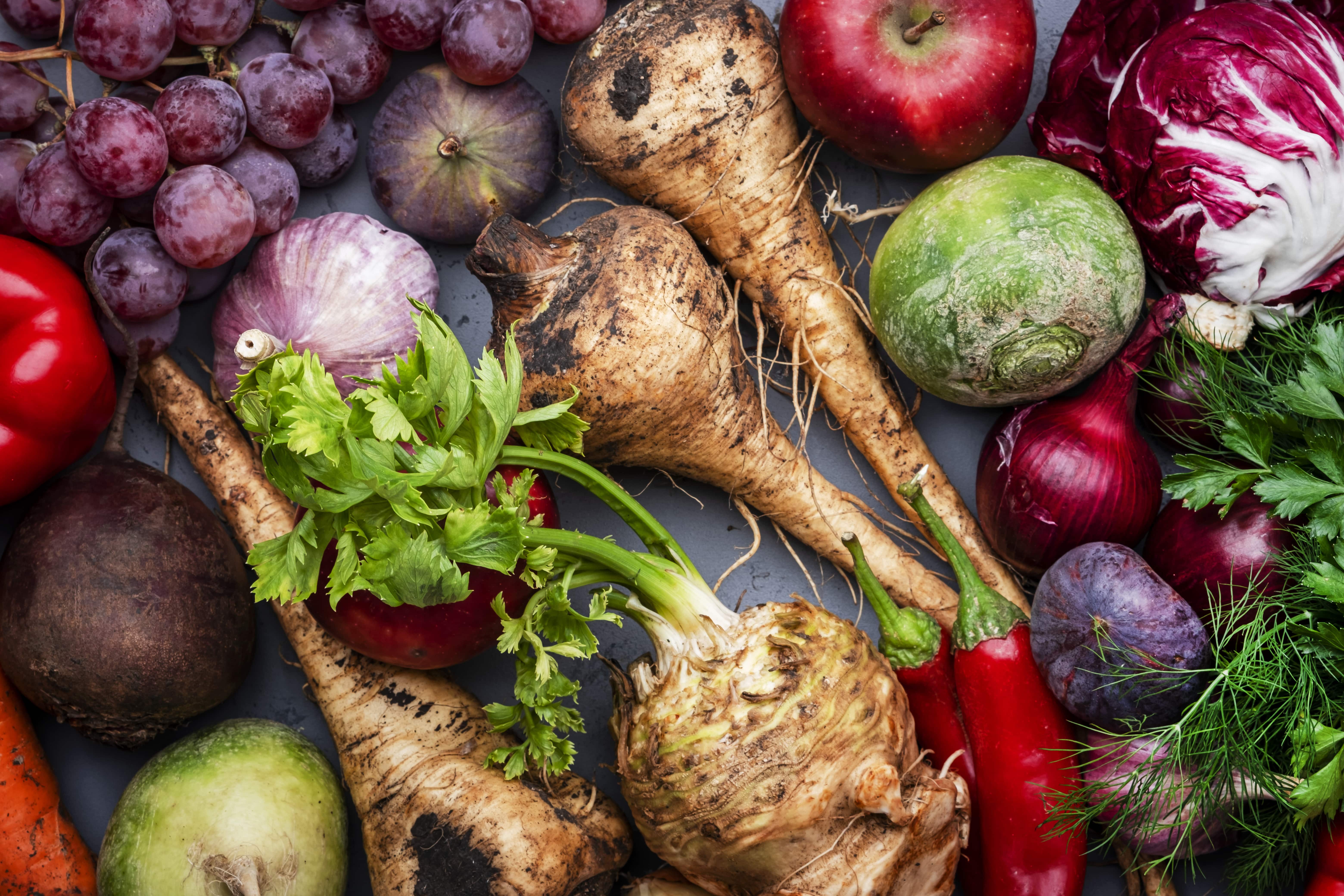
As the weather cools and the days get shorter, fall brings a shift toward heartier comfort foods, especially root vegetables. These underground veggies store energy below the surface to help plants thrive through colder months.
Although root vegetables can seem starchy, many have a low glycemic index. Thanks to their fiber content, they digest slowly to give you energy on cool fall days.
This guide focuses on low-glycemic seasonal picks that bring the comfort and flavor of autumn and winter, with added benefits for metabolic health and glucose stability.
Why Low-Glycemic Roots Matter for Glucose Stability
The glycemic index (GI) measures how quickly foods containing carbs raise glucose levels. Many fall produce favorites fall towards the lower end of the scale, although some root vegetables vary in their effect on blood glucose.
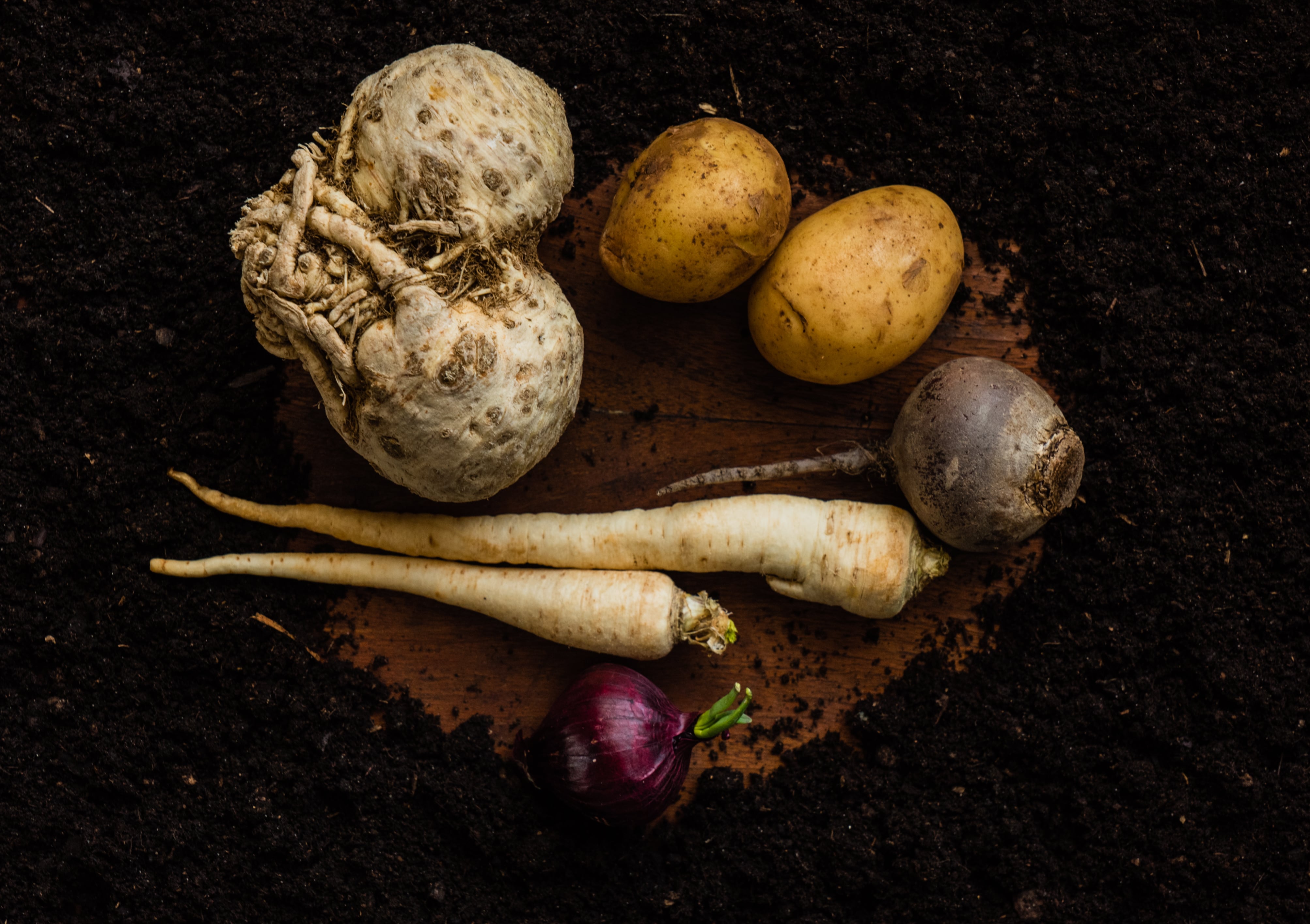
Root veggies contain complex carbohydrates, which usually means they have a higher fiber content. High-fiber foods slow digestion, allowing carbohydrates to be absorbed gradually. So even if a root vegetable is high-carb, this slower process helps prevent sudden spikes and energy crashes after meals.
Fiber also supports gut health, helps maintain a healthy weight, and improves cholesterol levels.
Low-GI roots also contain varying amounts of essential micronutrients, such as vitamin A, vitamin C, manganese, magnesium, calcium, and potassium, which support metabolism, heart health, and healthy blood pressure. Antioxidants in root veggies, such as beetroot, also offer additional health benefits, helping reduce oxidative stress.
Top Low-Glycemic Root Vegetables
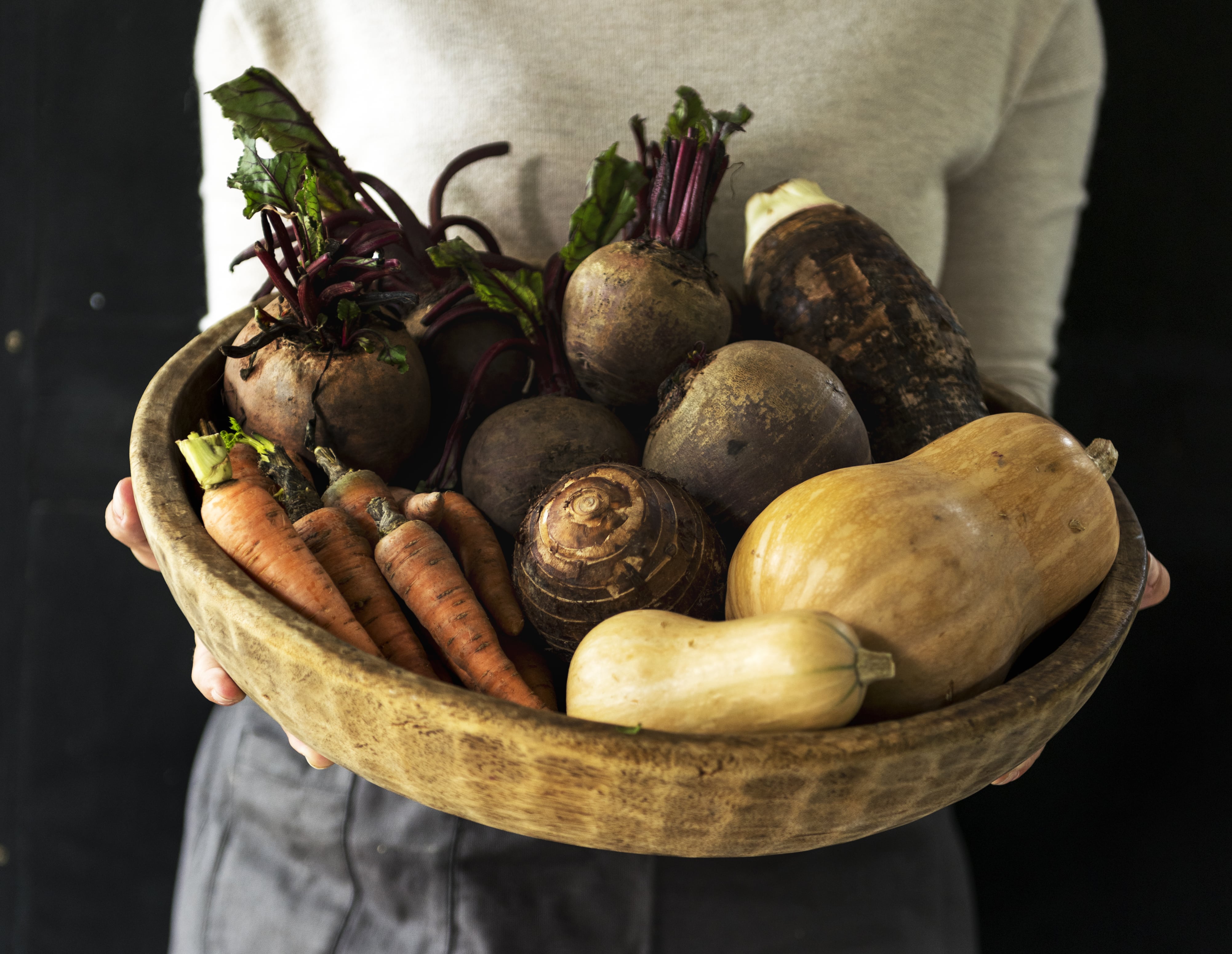
Below are low to moderate-glycemic root vegetables you can add to your autumn meals:
- Turnips: Slightly peppery with a tender texture, turnips contain fiber and essential minerals like folate and potassium. Try them roasted, mashed, or added to soups.
- Rutabaga: Rutabaga offers a slightly sweet, earthy flavor with complex carbs and fiber. Try it as a lower-GI alternative to mashed potatoes, or oven-roast it in cubes tossed with herbs and olive oil.
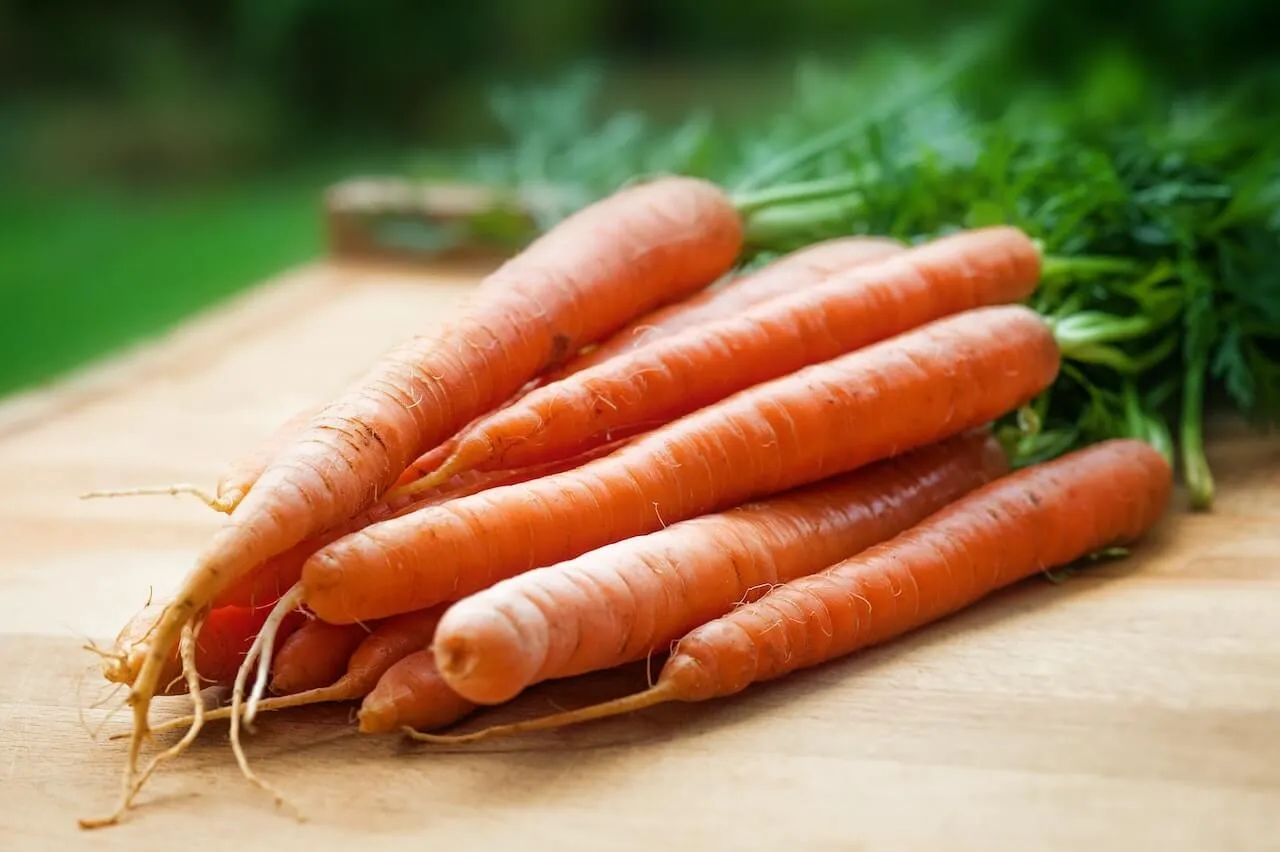
- Carrots: Whether cooked or raw, these root vegetables are a good source of beta-carotene (a form of vitamin A). You can roast them, sautee them, enjoy them in salads, or puree them in soups.
- Beets: Beets may help support heart health and circulation, thanks to naturally occurring nitrates. They also contain more carbs, but eating appropriate portion sizes paired with fat and protein helps maintain stable glucose levels.
- Onions: Onions fall into the bulb category of root vegetables and may support metabolic health and weight management benefits.
Other honorable mentions in the seasonal rotation include celeriac, radishes, and jicama.
Parsnips or tubers like sweet potatoes, yams, and white potatoes are also popular root vegetables, but their glycemic index can change depending on the preparation method. Baked sweet potatoes tend to have a higher GI score than boiled ones.
Even if these veggies are high-carb, you can still enjoy them in mindful portions and pair them with protein or healthy fats to reduce post-meal glucose spikes.
Delicious Ways to Prepare Root Veggies

These simple preparation methods enhance the flavors of your root veggies while keeping meals aligned with your autumn nutrition goals:
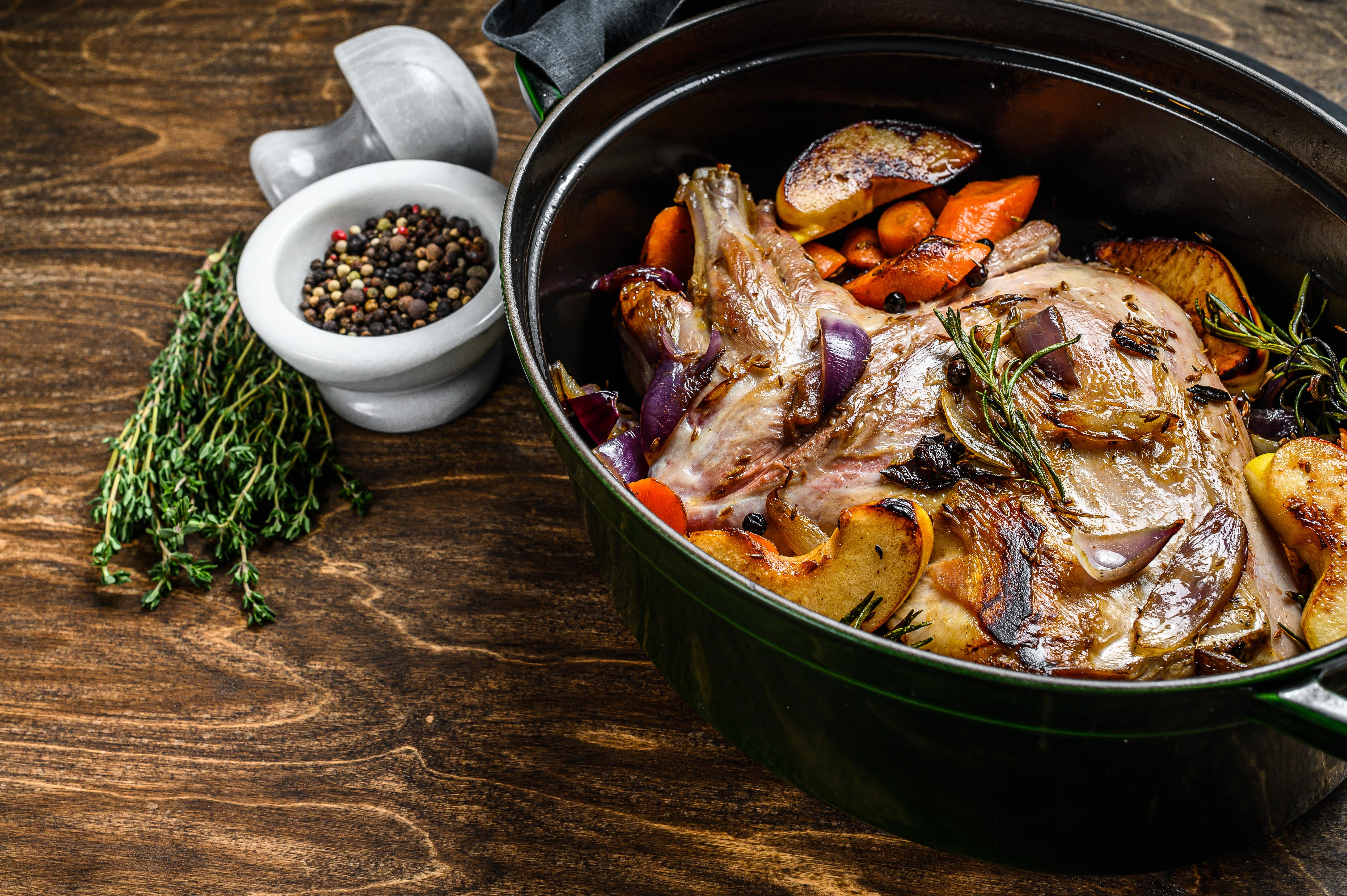
- Try roasted medleys with olive oil, herbs, and spices for caramelization and deep flavor. Most root veggies do well roasting at 400 degrees Fahrenheit for 20 to 30 minutes, flipping halfway through.
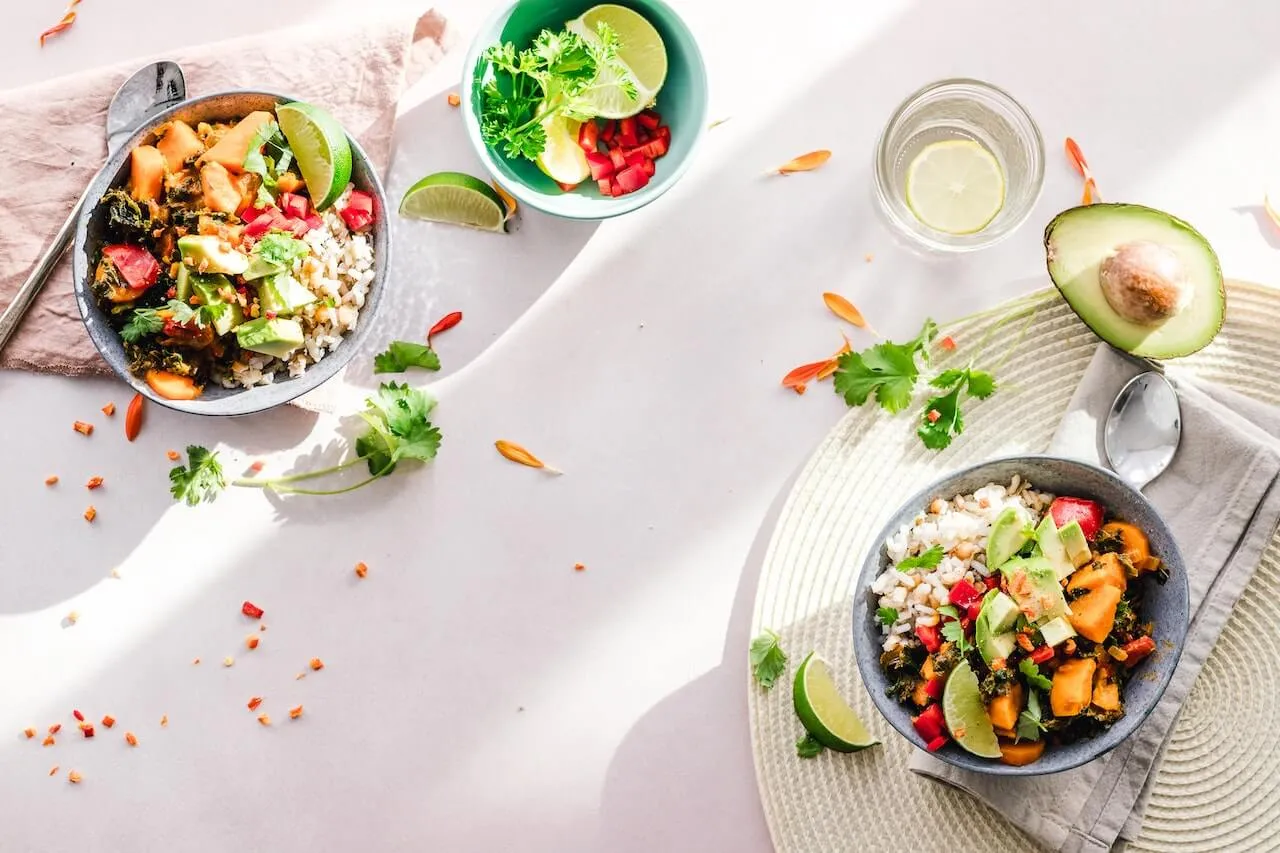
- Assemble hearty autumn bowls using your favorite root vegetables, whole grains or legumes, protein such as roasted chicken or tofu, and other non-starchy vegetables like leafy greens for balanced macros.
- Use mashed roots like turnips, rutabaga, or celeriac to replace or add to traditional mashed potatoes for a more low-GI approach
- Make soups and stews that layer textures from multiple roots to create creamy meals high in fiber and micronutrients
- You can sauté smaller roots like radishes or carrots, perfect for topping salads or adding to stir-fries.
Pairing root veggies with a source of fat (like olive oil, nuts, or seeds) slows digestion and can make the dish more satiating.
How Signos Helps You Personalize Your Veggie Choices
-min.png)
Even with naturally low-glycemic options, everyone responds differently to food. Stress, activity levels, sleep, and even what you pair with your veggies can shift your glucose response from one day to the next. With Signos’ real-time glucose insights, you can see how different root vegetables impact your levels in the 2-hour post-meal window and use features like the glucose impact prediction, meal logging, and your Weekly Insights report to spot patterns and fine-tune your choices.
Signos makes it simple to run mini experiments that reveal your personal best fall veggie strategies. Try testing:
- Different cooking methods (roasted vs. steamed vs. air-fried) to see how preparation affects spikes.
- Portion size changes to find your tipping point for sweet potatoes, beets, carrots, or squash.
- Pairings like adding protein, fiber, or healthy fats to blunt a rise.
- Pre-meal movement (like a 10-minute walk) to compare responses.
- Timing experiments (lunch vs. dinner) to evaluate how your body handles starch later in the day.
With these real-time insights, you can tailor your fall meals based on how your body actually responds, building a veggie-forward plan that supports stable energy and your metabolic goals.
The Bottom Line
Root vegetables are a nutritious cornerstone of fall cooking, providing comfort to your meals as temperatures drop. Choose low-glycemic varieties to keep blood glucose levels steady throughout busy days.
Build your seasonal plates with whole foods from fiber-rich roots, protein, and healthy fats to support sustainable metabolic habits and feel your best all season long.
Learn More With Signos’ Expert Advice
Fall is the perfect season to support your body with nutrient-dense, flavorful cooking. Learn about how Signos can improve health, plus the impact of blood glucose levels on your metabolic health, on the Signos blog.
Topics discussed in this article:
References
- Singh, M. K., Yun, H. R., Ranbhise, J. S., Han, S., Kim, S. S., & Kang, I. (2025). Vegetables and Glycemic Index: Exploring Their Correlation and Health Implications. Foods (Basel, Switzerland), 14(21), 3703. https://doi.org/10.3390/foods14213703
- Singh, M. K., Yun, H. R., Ranbhise, J. S., Han, S., Kim, S. S., & Kang, I. (2025). Vegetables and Glycemic Index: Exploring Their Correlation and Health Implications. Foods (Basel, Switzerland), 14(21), 3703. https://doi.org/10.3390/foods14213703
- Giuntini, E. B., Sardá, F. A. H., & de Menezes, E. W. (2022). The Effects of Soluble Dietary Fibers on Glycemic Response: An Overview and Futures Perspectives. Foods (Basel, Switzerland), 11(23), 3934. https://doi.org/10.3390/foods11233934
- Liu, J., An, Y., Yang, N., Xu, Y., & Wang, G. (2024). Longitudinal associations of dietary fiber and its source with 48-week weight loss maintenance, cardiometabo,lic risk factors and glycemic status under metformin or acarbose treatment: a secondary analysis of the March randomized trial. Nutrition & diabetes, 14(1), 81. https://doi.org/10.1038/s41387-024-00340-z
- Singh, M. K., Yun, H. R., Ranbhise, J. S., Han, S., Kim, S. S., & Kang, I. (2025). Vegetables and Glycemic Index: Exploring Their Correlation and Health Implications. Foods (Basel, Switzerland), 14(21), 3703. https://doi.org/10.3390/foods14213703
- Kukadia, S., Dehbi, H. M., Tillin, T., Coady, E., Chaturvedi, N., & Hughes, A. D. (2019). A Double-Blind Placebo-Controlled Crossover Study of the Effect of Beetroot Juice Containing Dietary Nitrate on Aortic and Brachial Blood Pressure Over 24 h. Frontiers in physiology, 10, 47. https://doi.org/10.3389/fphys.2019.00047
- USDA FoodData Central. (2025, November 25). Food Details - Rutabagas, raw. https://fdc.nal.usda.gov/food-details/170465/nutrients
- USDA FoodData Central. (2025, November 25). Food Details - Turnips, raw.https://fdc.nal.usda.gov/fdc-app.html#/food-details/168454/nutrients
- Eroglu, A., Al'Abri, I. S., Kopec, R. E., Crook, N., & Bohn, T. (2023). Carotenoids and Their Health Benefits as Derived via Their Interactions with Gut Microbiota. Advances in nutrition (Bethesda, Md.), 14(2), 238–255. https://doi.org/10.1016/j.advnut.2022.10.007
- Kukadia, S., Dehbi, H. M., Tillin, T., Coady, E., Chaturvedi, N., & Hughes, A. D. (2019). A Double-Blind Placebo-Controlled Crossover Study of the Effect of Beetroot Juice Containing Dietary Nitrate on Aortic and Brachial Blood Pressure Over 24 h. Frontiers in physiology, 10, 47. https://doi.org/10.3389/fphys.2019.00047
- Chung, M. Y., Hwang, J. T., & Park, S. H. (2023). Antiobesity effects of onion (Allium cepa) in subjects with obesity: Systematic review and meta-analysis. Food science & nutrition, 11(8), 4409–4418. https://doi.org/10.1002/fsn3.3426
- Bahado-Singh, P. S., Riley, C. K., Wheatley, A. O., & Lowe, H. I. (2011). Relationship between Processing Method and the Glycemic Indices of Ten Sweet Potato (Ipomoea batatas) Cultivars Commonly Consumed in Jamaica. Journal of nutrition and metabolism, 2011, 584832. https://doi.org/10.1155/2011/584832

.svg)





.svg)
.svg)
.svg)
.svg)
.svg)
.svg)
.svg)
