


Key Takeaways
- Weight lifting builds lean muscle mass, which dramatically improves glucose uptake and reduces insulin resistance, offering powerful support for long-term metabolic health beyond.
- Beginners should focus on quality over quantity, mastering proper form before gradually increasing the weight and intensity through progressive overload.
- True strength gains happen when you prioritize sleep, nutrition (especially protein), and rest days, as this allows your muscles time to repair and adapt after challenging workouts.
that {{mid-cta}}
Weight lifting is more than just a training day for competitive athletes or a place for gym bros to “bulk up.” Engaging in heavy resistance training is one of the most effective ways to enhance your overall health and well-being at any age. Don’t let being new or inexperienced hold you back any longer from picking up a dumbbell or joining those gym bros at the squat racks. This article is designed to teach you how to start your weight-lifting journey safely and effectively, ensuring you build a strong foundation for lasting results on your metabolic health, independence, and self-confidence.
Why Weight Lifting Matters for Everyone

Weight lifting goes far beyond sculpted, toned aesthetics. It’s crucial for improving physical function, managing energy levels, reducing chronic pain, and minimizing the risk of disease, more than just medication alone.6
Don’t believe it? Here is some science to prove it:
- Boosts Your Metabolism: Building lean muscle mass through weight lifting increases your resting metabolic rate, helping your body burn more calories throughout the day and sustain a healthy weight.1,2
- Optimizes Blood Sugar Control: Resistance training significantly improves insulin sensitivity and glucose uptake by your muscles both during the workout and long term.3
- Enhances Physical Function: Lifting weights strengthens your muscles, bones, and connective tissue for better joint health and reduces the risk of diseases like sarcopenia as you age.4
- Improves Mental Well-Being: Regular resistance training has been shown to boost overall mood, increase self-confidence, and build mental resilience in times of stress.5
Key Terms to Know Before You Start

Starting a weight-lifting program means understanding a few basic terms you'll hear often, which can help you follow workout plans and track your progress effectively.
- Reps (Repetitions): A "rep" is the number of times you perform a movement in a single bout. For example, standing up and sitting down ten times equals ten reps of a squat.
- Sets: A "set" is a group of reps performed together, followed by a brief rest period. If you perform 10 squats, rest, and then perform another 10 squats, you've completed two sets of 10 reps.
- Progressive Overload: This is the most important concept for obtaining results effectively, as it refers to the gradual increase of volume and intensity of your weight-lifting routine.
- Compound Exercises: These are very efficient, specific movements that engage multiple muscle groups simultaneously. Some examples include squats, deadlifts, and overhead presses.
Step 1: Start with the Basics
The goal is progress, not perfection. Being consistent and simple is the best way to stay motivated. Start with two to three sessions per week of a 30-minute full-body workout, hitting all major muscle groups. Initially, using light weights or just body weight is plenty as you learn to focus on solidifying proper form.7
Prioritize functional movement patterns such as squats, push-ups, pulling (e.g., a row), hinging (e.g., a deadlift), and carries. Mastering these fundamental movements lays the foundation for long-term, safe, and effective progress as you become more comfortable with more complex weightlifting programs.
Step 2: Learn Proper Form
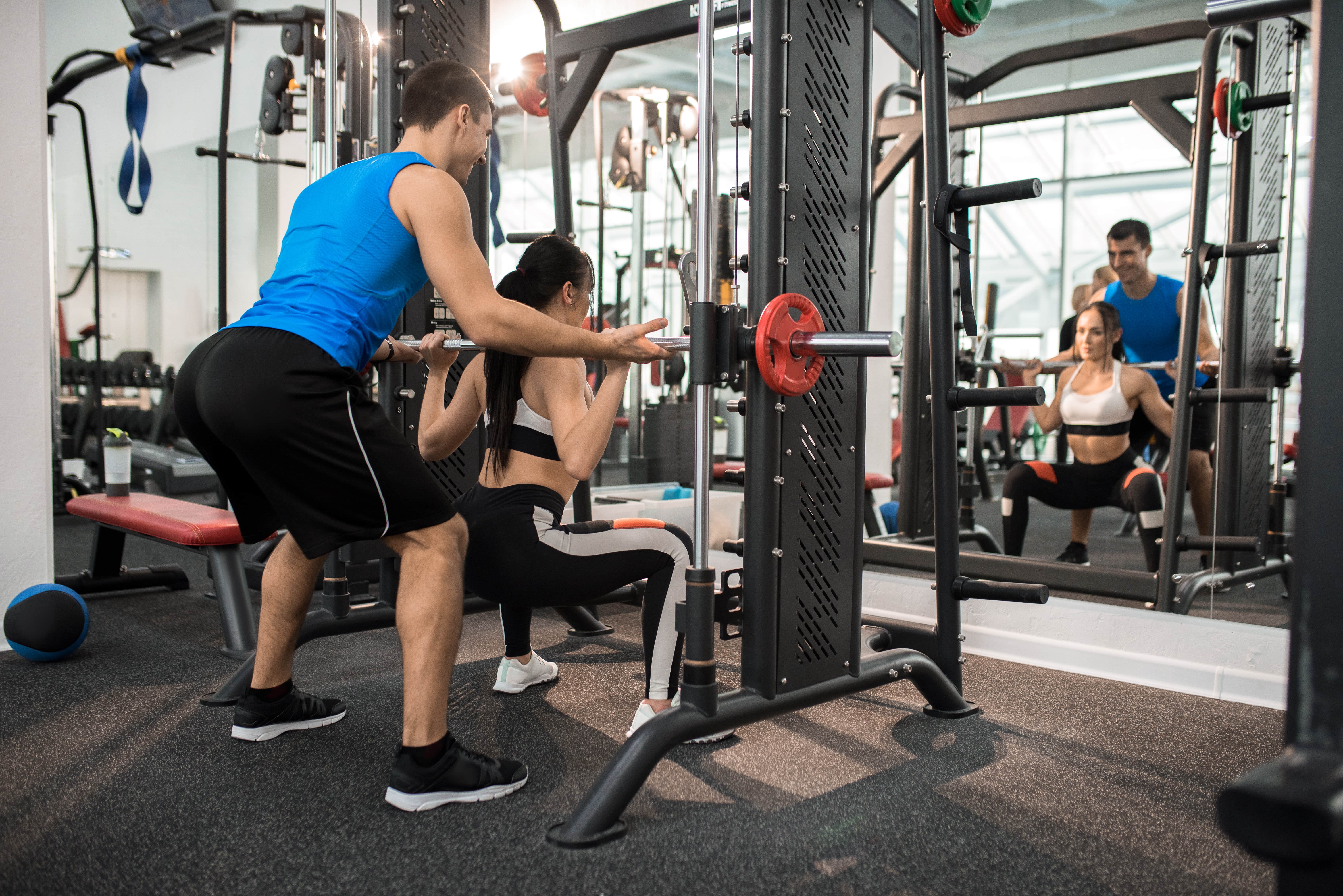
Checking your alignment and keeping your movements slow and controlled are the main ingredients of safe lifting techniques. Below are some common exercises with tips for safe execution.
- Squats: Keep your chest up and hips back slightly as if sitting in a chair. Your toes should stay grounded, and your knees should track in line with your toes (versus collapsing too far inward).
- Dumbbell Presses: Whether overhead or bench-press, maintain a stable, braced core and keep the shoulder blades active throughout. Maintain straight wrists and a looser grip.
- Bent-Over Rows: Keep your back flat and torso slightly angled to the floor. Lead the movement by pulling your shoulder blades back, then follow with your elbows to your ribcage.
- Deadlifts: While hinging at the hips, maintain a neutral spine and keep the knees slightly bent. Keep the weight close to your legs as you use your core, glutes, and hamstrings to lift the weight.
- Carries: These are great core stability exercises. Make sure to stand tall with your shoulders back, and resist the urge to lean away from the weight you are carrying.
Step 3: Design Your Beginner Routine
Every weight-lifting session should be divided into three phases: warm-up, main workout, and cooldown.
- Warm up: Start with a 5–10-minute warm-up that includes light cardio and dynamic mobility movements to prepare your muscles and joints for increased blood flow.
- Main workout: This should consist of about 5–6 compound movements, performed for 2–3 sets of 8–12 reps each. If you plan to train more than 3-4 days per week, consider alternating between upper and lower body days to allow for proper muscle recovery.
- Cool-down: Spend 5-10 minutes doing gentle stretching to help your heart rate return to resting.
If you need ideas, there are free resources on websites like Bodybuilding.com or workouts on various fitness YouTube channels that provide safe and effective routines to get you started.
Step 4: Focus on Progress Over Perfection
Progressive Overload is considered the most important method for making actual gains in strength and fitness.8 Here are the main ways to ensure your workouts keep challenging your body over time:
- Gradually Increase the Demand: Start by gradually increasing the weight you lift (2.5 to 5 pounds per week) or add a few extra reps or sets to an exercise to make it more challenging. Make only one of these changes at a time to minimize injury risk.
- Track Progress and Celebrate Wins: Log the weight, reps, and sets you perform using a notebook or app. Reviewing this data helps assess progress and celebrate the consistent wins for all your hard work!
- Prioritize Recovery: Not just between sets, but also outside the gym. Ensure you are getting adequate sleep (7–9 hours a night) and focusing on quality nutrition to fuel muscle repair, especially protein and carbohydrates.
Common Beginner Mistakes

Mistakes are common, so don’t be too hard on yourself when they happen. Being aware of these common mistakes will help ensure the fewest unnecessary setbacks.
- Lifting Too Heavy, Too Soon: Prioritize quality over quantity every single time. Lifting heavy weights before your muscles, joints, and nervous system are ready can drastically increase your risk of injury and make the exercise less effective.
- Skipping Warm-Ups: Dedicate 5-10 minutes to light cardio and dynamic movements to improve joint mobility and flexibility before you lift, helping you avoid unnecessary injuries.
- Focusing Only on "Mirror Muscles": Focusing only on the aesthetics of muscles can create muscle imbalances that contribute to poor posture and injury. Follow a full-body program that targets your back, legs, upper body, and core equally.
- Ignoring Rest and Proper Nutrition: Your muscles don't grow in the gym; they grow when you rest and eat properly. Neglecting adequate sleep and consuming insufficient protein means your muscles can't properly repair and rebuild, stalling your progress and leaving you constantly fatigued.
How Weight Lifting Supports Metabolic Health

Weight lifting is a powerful tool for supporting and improving your metabolic health. One of the biggest drivers is increased muscle mass. Muscle acts like a glucose sponge, pulling sugar out of your bloodstream and into your cells for energy. The more muscle you have, the better your body becomes at managing blood sugar during and after workouts.9
Regular resistance training also improves mitochondrial function inside your muscle cells. Mitochondria are responsible for turning fuel into energy, so healthier mitochondria mean improved fat burning, steadier energy levels, and a higher resting metabolic rate over time.10
If you’re new to lifting, understanding how your body responds can feel like guesswork. That’s where Signos comes in.
Using Signos to See the Metabolic Impact of Lifting
Signos uses a continuous glucose monitor (CGM) to show how your blood sugar responds to strength training, recovery, and fueling, so you’re not just lifting weights; you’re learning from each session.
Key Signos features that support beginners:
- 24/7 glucose monitoring: See how your glucose changes during workouts, after lifting, and overnight as your muscles recover.
- Activity and context logging: Log strength workouts, meals, and snacks to understand what supports better glucose stability.
- Glucose zone visuals: Instantly see whether your workout helps bring glucose into a steadier, more efficient range.
- Weekly Insights: Get summaries that connect your lifting habits with trends in glucose control and energy.
Beginner-Friendly Experiments to Try
Once you start lifting, Signos lets you run simple experiments to dial in what works best for your metabolism:
- Lift vs. no-lift days: Compare glucose patterns on days you strength train versus rest days to see how lifting improves post-meal glucose control.
- Timing experiment: Try lifting before a meal vs. after a meal, and observe which results in smaller glucose spikes.
- Fueling test: Compare a protein-forward meal after lifting versus a higher-carb meal and see how each affects recovery and glucose stability.
- Short vs. long sessions: Test a 20-minute beginner workout against a longer session to see how duration impacts glucose and energy.
- Recovery insight: Watch overnight glucose after lifting days to understand how strength training affects recovery and metabolic health while you sleep.
In short, weight lifting builds muscle, improves how your body uses glucose, and supports long-term metabolic health. With Signos, beginners can move beyond generic advice and use real-time data to build a lifting routine that supports steadier blood sugar, better energy, and sustainable results.
Learn More About Signos’ Expert Advice
If you have more questions on improving your health, fitness, and nutrition, seek the expert advice of the Signos continuous glucose monitor and the Signos team. A continuous glucose monitor (CGM) can give you the insights to make smarter nutrition and exercise choices. The Signos app provides a unique, personalized program to help you reach your health goals.
Topics discussed in this article:
References
- Lemmer, J. T., IVEY, F. M., RYAN, A. S., MARTEL, G. F., HURLBUT, D. E., METTER, J. E., ... & HURLEY, B. F. (2001). Effect of strength training on resting metabolic rate and physical activity: age and gender comparisons. Medicine & Science in Sports & Exercise, 33(4), 532-541.
- Osterberg, K. L., & Melby, C. L. (2000). Effect of acute resistance exercise on postexercise oxygen consumption and resting metabolic rate in young women. International journal of sport nutrition and exercise metabolism, 10(1), 71-81.
- Russell, R. D., Nelson, A. G., & Kraemer, R. R. (2014). Short bouts of high-intensity resistance-style training produce similar reductions in fasting blood glucose of diabetic offspring and controls. The Journal of Strength & Conditioning Research, 28(10), 2760-2767.
- Rodrigues, F., Domingos, C., Monteiro, D., & Morouço, P. (2022). A review on aging, sarcopenia, falls, and resistance training in community-dwelling older adults. International journal of environmental research and public health, 19(2), 874.
- Nowakowski-Sims, E., Rooney, M., Vigue, D., & Woods, S. (2023). A grounded theory of weight lifting as a healing strategy for trauma. Mental Health and Physical Activity, 25, 100521.
- Braggio, M., Dorelli, G., Olivato, N., Lamberti, V., Valenti, M. T., Dalle Carbonare, L., & Cominacini, M. (2025). Tailored Exercise Intervention in Metabolic Syndrome: Cardiometabolic Improvements Beyond Weight Loss and Diet—A Prospective Observational Study. Nutrients, 17(5), 872. https://doi.org/10.3390/nu17050872
- Wei, W., Zhu, J., Ren, S., Jan, Y. K., Zhang, W., Su, R., & He, L. (2023). Effects of progressive body-weight versus barbell back squat training on strength, hypertrophy and body fat among sedentary young women. Scientific reports, 13(1), 13505.
- Kraemer, W. (2004). Fundamentals of resistance training: progression and exercise prescription. Medicine & science in sports & exercise.
- Kristiansen, S., Gade, J., Wojtaszewski, J. F., Kiens, B., & Richter, E. A. (2000). Glucose uptake is increased in trained vs. untrained muscle during heavy exercise. Journal of applied physiology, 89(3), 1151-1158.
- Kirk, E. P., Donnelly, J. E., Smith, B. K., Honas, J., LeCheminant, J. D., Bailey, B. W., ... & Washburn, R. A. (2009). Minimal resistance training improves daily energy expenditure and fat oxidation. Medicine and science in sports and exercise, 41(5), 1122.

.svg)





.webp)

.webp)


.svg)
.svg)
.svg)
.svg)
.svg)
.svg)
.svg)
