


Key Takeaways
- Chronic unmanaged stress and elevated cortisol disrupt metabolic health by raising blood sugar, impairing sleep, and slowing recovery and progress.
- Foundational stress-reducing habits, such as breathwork, movement, and sleep hygiene, can calm the nervous system, lower cortisol levels, and stabilize glucose levels.
- Layering supportive habits (morning sunlight, hydration, protein-forward meals) with insights from Signos helps you build lasting metabolic resilience.
that {{mid-cta}}
When chronic stress, psychosocial stress, or other stressors hit, your metabolism often takes a hit. Elevated cortisol, disrupted sleep, and reduced physical activity create a perfect storm that affects blood glucose, insulin sensitivity, energy expenditure, and overall metabolic health. But stress-induced chaos doesn’t have to control your body weight, weight gain, or obesity, nor your cardiovascular health or heart disease risk.
Building metabolic resilience is about understanding your body’s stress response and using simple tactics to maintain homeostasis amid life’s acute stress and long-term stress exposures.
In this article, we explore how chronic stress, elevated cortisol levels, and stress hormones can disrupt glucose tolerance, blood glucose levels, insulin resistance, lipid and triglyceride profiles, and body mass, and share practical strategies for stress management, weight loss, and protection from metabolic disorders like type 2 diabetes and metabolic syndrome.
How Stress Disrupts Metabolic Health

Chronic, unmanaged stress can contribute to cardiovascular disease, heart disease, type 2 diabetes, obesity, and metabolic syndrome. It influences blood pressure, heart rate, cholesterol, triglyceride levels, and other markers of metabolic dysfunction.1,2,3
Cortisol is your body’s main stress hormone. When working correctly, cortisol levels rise when needed and then return to normal. But when stress is constant or intense, your body can get stuck in overdrive. If cortisol levels remain high for too long, it can lead to elevated blood sugar levels.1
Cortisol raises your blood sugar, providing your brain and muscles with quick energy during stress or the classic “fight-or-flight” response. Chronic unmanaged stress leads to elevated cortisol and blood sugar levels.4
This stress-induced cortisol elevation also alters energy expenditure, food intake, and carbohydrate metabolism, affecting insulin sensitivity and overall metabolic homeostasis. High cortisol levels can additionally impair the immune system, disrupt short-term well-being, and affect mental health, increasing risk for stress-related metabolic disorders, heart disease, and type 2 diabetes.5
We need calming tactics to break this stress cycle and regain metabolic balance.
Breathwork: Your Fastest Path to Balance

Breathwork can be done anywhere (in your car, at work, at home) when stress hits.
Learning to control your breathing helps maximize the amount of oxygen in the blood, leading to lowered stress, cortisol, and glucose levels. Studies have demonstrated that deep breathing has a positive impact on high blood glucose levels (resulting in a 14.5% drop), cortisol levels (resulting in a 30% drop), and stress and anxiety.6
Additionally, a large meta-analysis comprising 58 studies and 3,508 participants suggested that stress management interventions are effective in reducing cortisol levels in healthy adults, with mindfulness and relaxation interventions being the most effective in altering cortisol levels.7
You can try these simple breathwork techniques to achieve balance:
- Box breathing: Inhale for a four-second count, hold your breath for four seconds, exhale for four seconds, and hold again for four seconds, repeating the cycle.
- 4-7-8 method: Inhale through your nose for four seconds, hold your breath for seven seconds, and exhale through your mouth for eight seconds, repeating for four cycles.
- Diaphragmatic breathing: Also known as belly breathing, this technique involves sitting and placing one hand on your chest and the other on your belly. Inhale slowly through your nose, feeling your belly expand. Exhale slowly through your mouth, repeating the cycle as needed.
Try breathwork the next time you feel stress rising, or use it before meals and bed to lower your stress, cortisol, and glucose levels and regain balance.
Move to Manage Stress

Movement is another way to relieve your body from stress and its effects on cortisol. High-intensity exercise can lead to a temporary spike in cortisol, whereas low- and moderate-intensity exercise can help reduce cortisol levels and manage stress more effectively.8
A 2022 meta-analysis found that physical activity was effective at lowering cortisol levels and improving sleep quality in a primarily female adult study population. Physical activity included walking, yoga, weight training, dance, or indoor cycling, and typically lasted 80 to 180 minutes weekly.5 Research also supports that regular exercise reduces cortisol levels in older adults.9
Not only does regular physical activity help lower cortisol levels and relieve stress, but it also improves insulin sensitivity, allowing your cells to respond more effectively to insulin and use glucose properly.
Research supports that all types of exercise (aerobic or resistance training) help improve insulin sensitivity. A single exercise session can boost insulin sensitivity for up to 72 hours, and regular exercise can help reverse the effects of high cortisol and blood sugar levels on the body.10 On high-stress days, make time for short movement breaks to help curb stress.
Sleep Hygiene for Metabolic Recovery
.jpg)
Sleep quality is crucial for maintaining metabolic health, as it helps regulate hormonal balance, insulin sensitivity, glucose stability, and appetite control.
Sleeping less than seven hours and circadian misalignment (being awake and/or eating during the body’s natural sleep times) may predispose you to poor metabolic health and weight gain. Low-quality sleep increases your risk for weight gain, obesity, type 2 diabetes, and heart disease.11
Poor sleep also predisposes you to eat more than your body needs, and then eating when your body should be sleeping further disrupts this balance compared to those getting adequate rest.11
Setting evening wind-down routines can improve your sleep quality. Try to avoid screen use, bright evening light, caffeine, and alcohol for at least one to two hours before bedtime. Switch to dim lighting, reading paper books, or journaling to prepare for bed. An additional bonus of exercise is that it usually promotes sleep, provided it is not done too close to bedtime.5,11
It may take some time to reset your circadian rhythm after stressful periods. Still, with a consistent schedule and following the tactics in this article, you should achieve a better routine within a week or two.
Building Resilience: Small Habits, Big Impact

Foundational stress-reducing habits, such as breathwork, regular movement, and quality sleep, help lower cortisol levels and support healthier metabolic function.
Once these pillars are in place, additional habits can further strengthen metabolic resilience.
- Morning sunlight or light therapy in the morning to support your circadian rhythm and cortisol balance.
- Adequate hydration to support cortisol balance.
- Protein-forward meals to prevent stress-related snacking that could spike glucose levels.
- Scheduling rest as non-negotiable.
These habits can help you recover from stress and achieve metabolic resilience.
The Signos Advantage
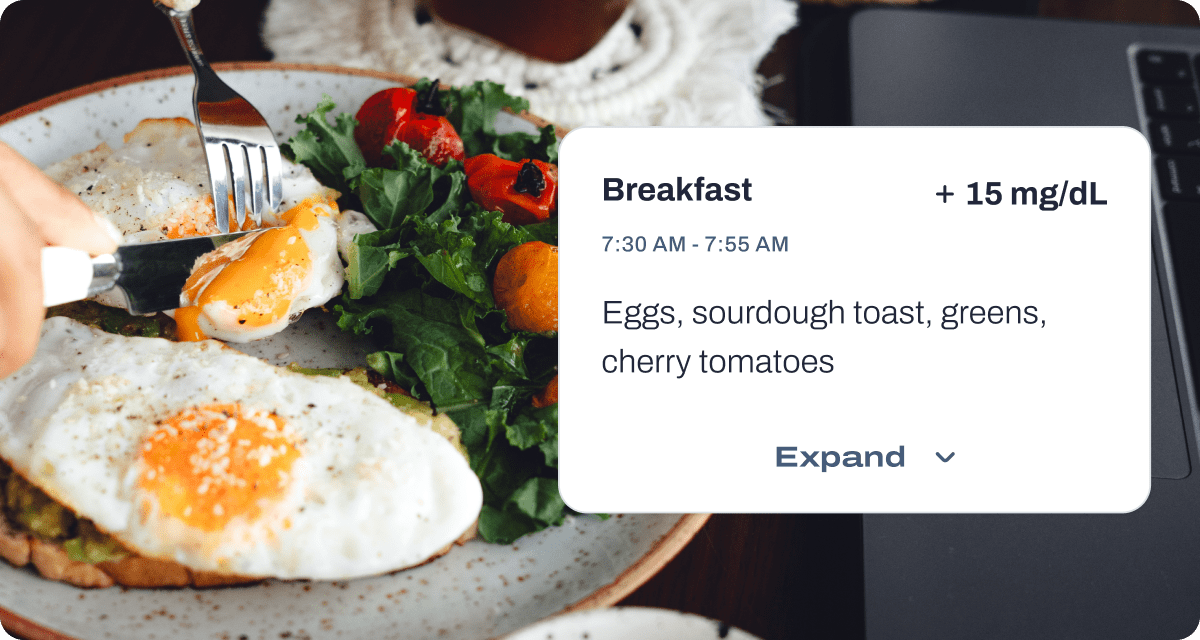
Stress affects everyone differently, and your body’s metabolic response is no exception. Signos helps you measure how key stress-relieving practices, such as exercise, quality sleep, and breathwork, affect your glucose levels and overall resilience. By observing your unique glucose responses, you can pinpoint which strategies actually help your body handle stress most effectively.
Signos Features & Experiments:
- Stress and Glucose Tracking: See how your glucose levels shift in response to stressful events and recovery practices.
- Exercise Experiments: Compare how different types or durations of movement (like a brisk walk versus a high-intensity workout) affect your stress response.
- Sleep Impact Analysis: Track how improving sleep quality or adjusting bedtime routines changes overnight glucose stability.
- Breathwork Insights: Monitor the immediate effects of meditation, breathing exercises, or mindfulness on your glucose curve.
- Data-Driven Resilience: Turn personalized insights into actionable routines that help you manage stress more effectively over time.
With Signos, you can fast-track your progress by identifying what truly works for your body, transforming awareness into measurable resilience.
The Bottom Line
Stress is inevitable, but chaos isn’t. You can combat stress and its effects on your body with the right tools, breathing patterns, movement, and sleep practices. As you develop foundational stress-reducing habits, you can buffer the impact, protect your glucose stability, and build resilience that lasts well beyond the moment.
Learn More With Signos’ Expert Advice
A CGM can help you stress-proof your metabolism and stay steady during chaotic seasons to improve your overall health.
Learn more about glucose levels and tracking on the Signos blog, written by health and nutrition experts.
Topics discussed in this article:
References
- https://pubmed.ncbi.nlm.nih.gov/37879237/
- https://pubmed.ncbi.nlm.nih.gov/29300220/
- https://pubmed.ncbi.nlm.nih.gov/33804817/
- https://www.ncbi.nlm.nih.gov/books/NBK538239/
- https://pubmed.ncbi.nlm.nih.gov/35777076/
- https://pubmed.ncbi.nlm.nih.gov/37520826/
- https://pubmed.ncbi.nlm.nih.gov/37879237/
- https://pubmed.ncbi.nlm.nih.gov/18787373/
- https://pubmed.ncbi.nlm.nih.gov/35981715/
- https://pubmed.ncbi.nlm.nih.gov/28879026/
- https://pubmed.ncbi.nlm.nih.gov/36280789/

.svg)









.svg)
.svg)
.svg)
.svg)
.svg)
.svg)
.svg)
