

.jpg)
Key Takeaways
- Magnesium supports the quality of your sleep by calming the nervous system, regulating neurotransmitters, and supporting melatonin production.
- Low magnesium intake is common and may contribute to poor sleep, restless legs syndrome, and sleep disorders, especially in older adults.
- The right form and right amount of magnesium, coupled with healthy sleep habits, can support better sleep health.
that {{mid-cta}}
By definition, sleeping should be a fairly straightforward activity. Closing your eyes, relaxing your muscles, and lying still sounds simple, yet nearly one-third of adults report they get less sleep than they need.1 The act of falling asleep, staying asleep, and overall sleep quality are more complex than they appear, and can be impacted by a number of factors, including age, stress, and metabolic issues.1
There is endless advice on social media about how to get better sleep, from optimizing your bedroom temperature and adjusting your lighting to shifting your schedule and even using melatonin. As people look for easy, effective ways to improve their sleep, many are turning to magnesium supplements. This mineral is known for its relaxation effects, but its use as a sleep aid is often oversimplified or misunderstood.
Magnesium plays an important role in the central nervous system, the regulation of the sleep-wake cycle, and metabolic health. Understanding how magnesium intake affects sleep quality can help you decide whether dietary changes or supplementation is right for you.
Why Magnesium Matters for Sleep
.jpg)
Magnesium is involved in more than 300 enzymatic reactions in the body and plays a key role in the regulation of the nervous system. Adequate levels of magnesium help regulate neurotransmitters that influence relaxation and sleepiness, including gamma-aminobutyric acid (GABA). GABA acts as an inhibitory neurotransmitter, helping quiet neural activity and prepare the brain for sleep. Magnesium interacts with GABA receptors and NMDA receptors, helping reduce excitatory signaling in the brain.¹
Magnesium also supports melatonin production, the hormone that regulates the sleep-wake cycle. Disruptions in melatonin signaling are linked to sleep deprivation, sleep disorders, and circadian rhythm disturbances. By supporting melatonin release and sensitivity, magnesium may help improve sleep patterns and sleep duration.2
In addition, magnesium helps reduce cortisol, the body’s primary stress hormone. Elevated evening cortisol levels are associated with poor sleep quality, increased daytime sleepiness, and difficulty falling or staying asleep.3
Sleep, Magnesium, and Metabolic Health
What most people don’t realize is that sleep and metabolic health are closely connected. Poor sleep is associated with high blood sugar, insulin resistance, and increased risk of type 2 diabetes. Not getting enough quality sleep isn’t just making you groggy; it’s actually wreaking havoc on your metabolism.
Magnesium not only supports your metabolic health by aiding sleep but also plays a direct role in processes such as glucose metabolism, insulin signaling, and blood pressure regulation. Low magnesium levels have been linked to impaired insulin sensitivity and higher fasting blood sugar.4
Adequate magnesium intake, on the other hand, has been shown to reduce inflammation and support steady glucose levels overnight. Clinical trials suggest that magnesium supplementation may modestly improve blood pressure and other markers of metabolic health, particularly in individuals with magnesium deficiency.5
Signs You Might Be Magnesium Deficient
.jpg)
Magnesium deficiency is common in adults and often goes unnoticed. According to data from the National Institutes of Health, a large percentage of adults do not consume enough magnesium from food alone.6 Certain groups, including older adults, individuals with gastrointestinal conditions, and those with type 2 diabetes, are at higher risk.
Common signs of low magnesium include:
- Trouble falling or staying asleep
- Restless legs syndrome or nighttime muscle cramps
- Fatigue, poor energy, or increased sleepiness
- Frequent headaches or migraines
- Heightened stress or anxiety symptoms
Because blood magnesium levels do not always reflect tissue stores, deficiency can be present even when lab values appear normal.
Best Sources of Magnesium
.jpg)
When it comes to vitamins and minerals, it’s best to take a food-first approach. Whole foods are a great source of magnesium. Below are foods that are rich in this powerful nutrient:
- Leafy greens
- Whole grains
- Pumpkin seeds
- Almonds and black beans
- Dark chocolate and avocado
These foods also provide potassium, calcium, and fiber, which work together to support nervous system balance and metabolic health.
Magnesium Supplements
Dietary supplements can help close the gap when food intake isn’t cutting it. But it’s important to remember that not all magnesium supplements are created equally. They differ in the way they’re absorbed, their mechanisms of action in the body, and their side effects.
Common forms include:
- Magnesium glycinate: Often recommended for sleep and mental health due to good absorption and low risk of gastrointestinal issues.
- Magnesium citrate: Well absorbed but may have a mild laxative effect, causing diarrhea. This may be a good option for those dealing with constipation.
- Magnesium oxide: Contains a high amount of elemental magnesium but is poorly absorbed and more likely to cause gastrointestinal side effects.
Choosing a supplement that lists the amount of elemental magnesium and one that indicates it’s tested for quality is crucial. If you’re considering starting new supplements, consult with a healthcare provider first, especially if you take medications or have underlying conditions.
How to Use Magnesium for Better Sleep
.jpg)
For sleep support, magnesium is typically taken 30 to 60 minutes before bedtime. Pairing magnesium intake with calming habits such as dimming lights, turning off screens, and maintaining a cool bedroom environment can enhance its effect.
Some people find benefit from combining magnesium-rich foods at dinner with supplementation, while others prefer a supplement alone. Topical magnesium options, such as Epsom salt baths, may promote relaxation, though evidence for skin absorption is limited.
Determining the right amount of magnesium varies from person to person. Too much magnesium can cause gastrointestinal discomfort, while too little may be ineffective. Most studies examining the effect of magnesium supplementation on sleep use doses ranging from 200 to 400 mg per day.7
Common Myths About Magnesium and Sleep
When it comes to magnesium, you can certainly have too much of a good thing. High doses can cause diarrhea and may interfere with calcium balance or medication absorption.
It’s also important to note that magnesium alone won’t fix insomnia. While magnesium supports sleep physiology, sleep health is complex and influenced by many factors.
Magnesium may not be effective for more serious conditions, such as sleep apnea. If you’re dealing with more than the occasional sleepless night, you likely need to take a multi-pronged approach and should talk to your doctor.
How Signos Can Help You Track Sleep and Recovery

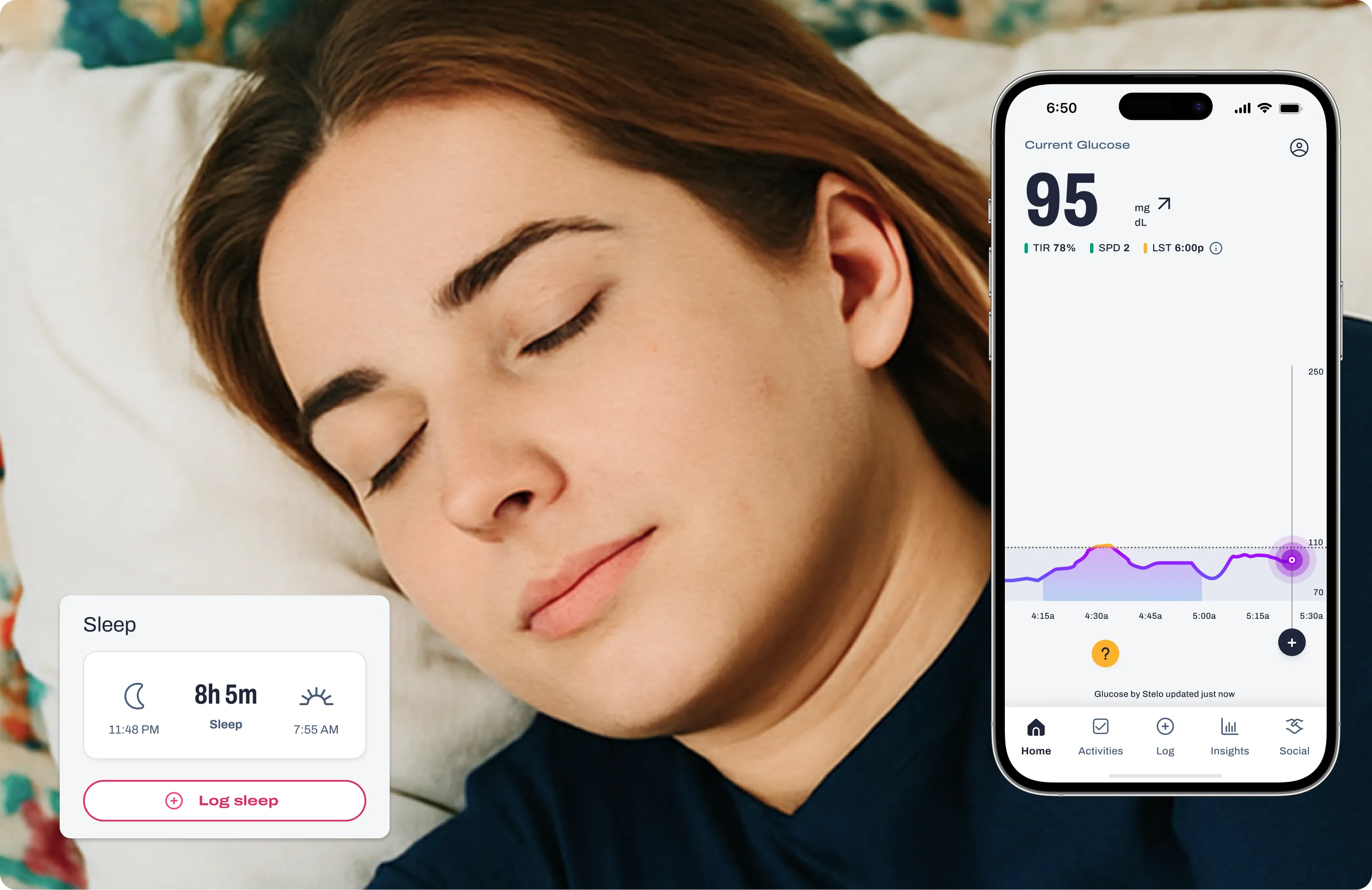
Sleep quality and metabolic health are deeply interconnected, and overnight glucose patterns can offer important clues about how well your body is recovering. With Signos and a continuous glucose monitor (CGM), you can track how factors like magnesium intake, meal timing, and evening habits influence both sleep quality and overnight glucose stability.
By observing glucose trends overnight and how you feel the next day, Signos helps you connect improved sleep with steadier blood sugar and more consistent energy. Over time, these insights make it easier to identify which habits truly support restorative sleep and metabolic balance.
Signos features that support sleep insights
- Overnight glucose tracking (CGM): Monitor nighttime glucose variability that can reflect sleep quality and metabolic stress.
- Supplement, meal, and habit logging: Log magnesium intake, evening meals, and routines to connect behaviors with overnight glucose trends.
- Daily insights (Dailies): Get day-by-day feedback highlighting how sleep-related choices influenced glucose stability and next-day energy.
- Weekly Insights report: Review longer-term patterns to see how consistent sleep and supplement habits affect overnight glucose and daily performance.
Experiments to try with Signos
- Magnesium timing experiment: Compare magnesium taken earlier in the evening versus closer to bedtime and observe overnight glucose stability.
- Supplement comparison test: Track different forms of magnesium (such as glycinate or citrate) to see which aligns with steadier overnight trends.
- Evening meal timing test: Compare earlier dinners versus late meals to evaluate effects on overnight glucose and sleep quality.
- Wind-down routine experiment: Pair magnesium with a consistent pre-bed routine and observe changes in overnight glucose variability and next-day energy.
By combining overnight glucose data, daily feedback, and weekly trend analysis, Signos helps turn sleep optimization into a measurable, personalized strategy that supports better rest, steadier blood sugar, and improved metabolic health over time.
The Bottom Line
Magnesium plays an important role in sleep quality, nervous system regulation, and metabolic health. Ensuring adequate magnesium intake through diet or supplements, while pairing it with supportive sleep habits, may help improve sleep and overall wellness.
Learn More With Signos’ Expert Advice
Signos combines cutting-edge research with the proven benefits of continuous glucose monitoring to help you achieve your health goals. Check out more articles on the Signos blog.
Topics discussed in this article:
References
- Abbasi B, Kimiagar M, Sadeghniiat K, et al. Effect of magnesium supplementation on insomnia in elderly: a double-blind placebo-controlled clinical trial. J Res Med Sci. 2012;17(12):1161–1169.
- Carlos RM, Matias CN, Cavaca ML, et al. The effects of melatonin and magnesium in a novel supplement delivery system on sleep scores, body composition and metabolism in otherwise healthy individuals with sleep disturbances. Chronobiol Int. 2024;41(6):817-828. doi:10.1080/07420528.2024.2353225
- Boyle NB, Lawton C, Dye L. The effects of magnesium supplementation on subjective anxiety and stress. Nutrients. 2017;9(5):429. doi:10.3390/nu9050429
- Guerrero-Romero F, Rodríguez-Morán M. Magnesium improves insulin sensitivity in subjects with insulin resistance. Diabetes Metab. 2004;30(3):253–258.
- Zhang X, Li Y, Del Gobbo LC, et al. Effects of magnesium supplementation on blood pressure: a meta-analysis of randomized double-blind placebo-controlled trials. Hypertension. 2016;68(2):324–333.
- National Institutes of Health Office of Dietary Supplements. Magnesium Fact Sheet for Health Professionals. https://ods.od.nih.gov/factsheets/Magnesium-HealthProfessional/. Accessed 2025.
- Rondanelli M, Opizzi A, Monteferrario F, et al. The effect of melatonin, magnesium, and zinc on primary insomnia in long-term care facility residents. J Am Geriatr Soc. 2011;59(1):82–90. doi:10.1111/j.1532-5415.2010.03232.x

.svg)


.webp)




.webp)
.svg)
.svg)
.svg)
.svg)
.svg)
.svg)
.svg)
