

Key Takeaways
- Your kidneys filter blood and reabsorb glucose to maintain stable energy levels, but chronically high glucose puts extra strain on the kidneys.
- Warning signs that your kidneys are struggling with glucose regulation include increased urination, fatigue, glucose in urine, or protein in urine.
- Small lifestyle changes, like prioritizing glucose stability, staying hydrated, managing blood pressure, and monitoring kidney function, can protect your kidneys and metabolism now and in the future.
that {{mid-cta}}
You may know that your kidneys filter waste products from the body as key players in the urinary system, but did you also know they play an important role in metabolic health? Your kidneys continuously filter your blood to remove waste products and excrete them in urine. Still, they’re also hard at work reabsorbing glucose, so it can continue to travel throughout your body for energy, supporting balanced blood glucose levels.1
Under normal conditions with stable glucose levels, this system works seamlessly. But when your blood glucose is chronically high, your kidneys can become strained and eventually damaged, making it harder to remove waste from the blood and disrupting glucose regulation and energy balance.
Keep reading to understand the relationship between your kidneys, glucose, and metabolic health, and what you can do to support your kidney function and metabolism for years to come.
The Role of the Kidneys in Glucose Regulation
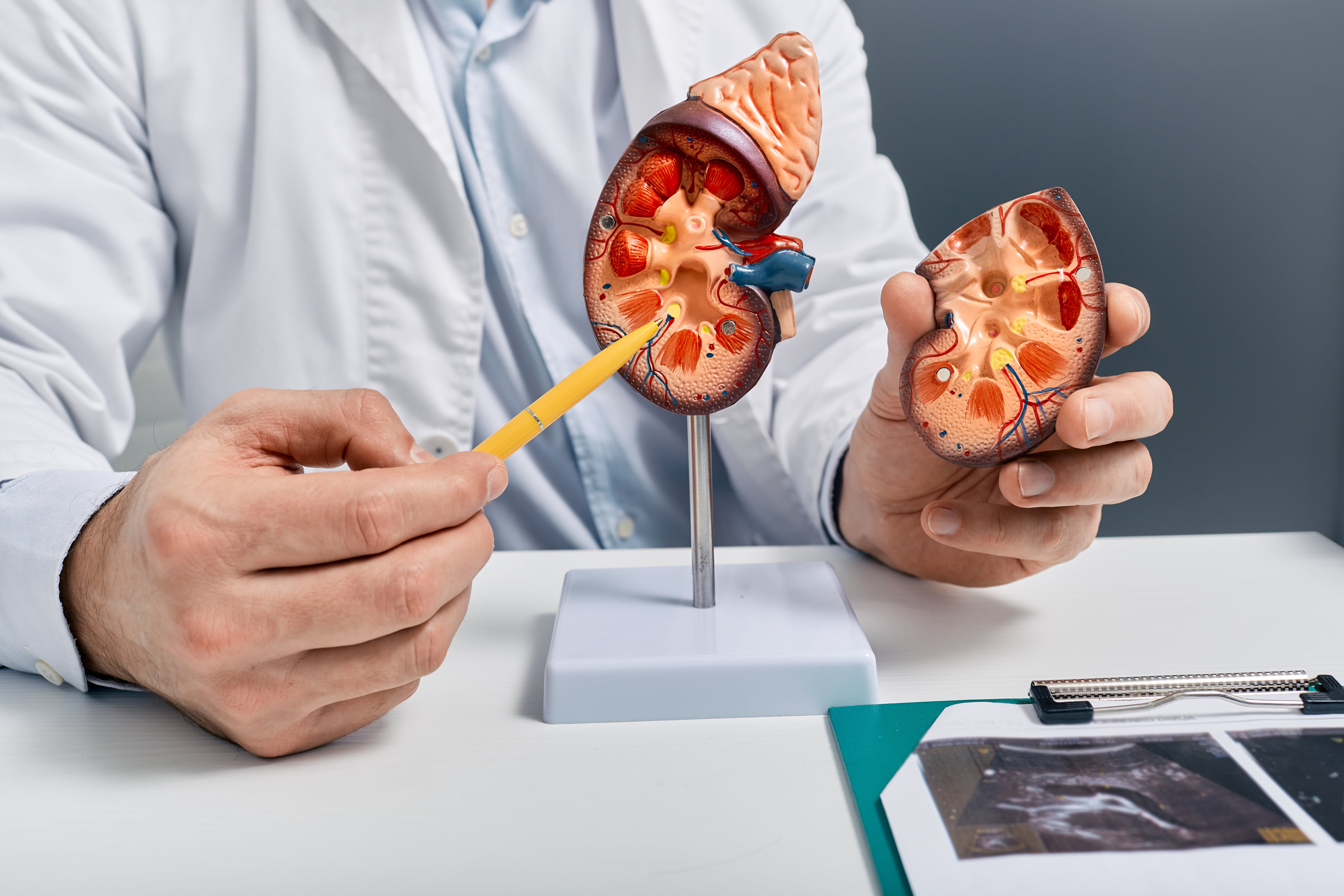
As you’re going about your day and sleeping through the night, your kidneys are hard at work, filtering around 180 liters of blood, removing waste, and reabsorbing glucose back into your bloodstream. Specialized proteins known as sodium-glucose transporters (SGLTs) in the proximal tubules of the kidneys reabsorb approximately 180 grams of glucose every 24 hours.1
In a healthy system, your kidneys are incredibly efficient, reclaiming nearly all the glucose that passes through them so none ends up in your urine. This process helps maintain stable energy levels throughout the day and supports a healthy metabolism.
How Glucose Affects Kidney Function

Your kidneys are well equipped to handle short, infrequent spikes of glucose, but when they’re forced to filter and reabsorb high levels of glucose for a long period of time, they will start to feel the strain. Over time, this chronic stress and strain can increase the risk for kidney damage, leading to several potential health risks down the road.2
The damage starts small and can be almost undetectable. Each of your kidneys has tiny filtering units called glomeruli. As the glomeruli are exposed to persistent high glucose levels, they filter blood at a higher rate than normal, leading to a condition known as glomerular hyperfiltration.3 While this may sound like a good thing, it causes the kidneys to become overworked, often leading to damage of the tiny blood vessels and delicate filtering structures.
Over time, this excessive filtration can lead to diabetic nephropathy. This happens as the kidney’s filtering units become progressively damaged, removing less waste from the blood and pouring glucose and protein into the urine. If not addressed early enough, this can progress to end-stage renal disease, where dialysis is needed to support the kidneys in filtering and removing waste from the blood.
Glycosuria, a condition in which glucose appears in the urine, is a warning sign that either the amount of glucose in your blood is higher than the renal threshold for reabsorption or that your kidneys' ability to reabsorb glucose, even at normal levels, is impaired.4 Either way, glucose in your urine is a sign to seek further medical treatment.
How Kidneys Influence Glucose Levels

While glucose directly affects kidney function, your kidneys can also actively regulate glucose levels, making the relationship more complex.
While your liver is the main organ that converts stored glycogen into glucose for an extra boost of energy during periods of fasting or exercise, your kidneys do a form of this as well. In fact, up to 28 percent of glucose produced by this process comes from the kidneys under normal conditions, and up to 50 percent under stress.5
Your kidneys respond to hormonal signals to support energy balance. When your blood glucose levels drop, the hormone glucagon begins circulating, signaling your kidneys to ramp up glucose production (AKA gluconeogenesis) to help stabilize your blood sugar levels.6 This helps prevent your blood sugar from dropping too low while fasting or in between meals.
To help manage hyperglycemia, some diabetes medications, known as SGLT2 inhibitors, target the kidneys' sodium-glucose transporters. These proteins reabsorb glucose from the blood after filtration, blocking its reabsorption and effectively lowering blood sugar.7
5 Signs Your Kidneys May Be Struggling With Glucose Control

When your kidneys are struggling to regulate glucose effectively, you’ll likely notice one or more of these symptoms:
1. Increased urination or thirst
One of the most common early signs of hyperglycemia is a rapid increase in how often you need to urinate and constantly feeling thirsty, no matter how much water you drink. While this isn’t necessarily a sign that your kidneys are malfunctioning, it is a sign that your glucose levels are so high that your kidneys can’t keep up. As glucose spills into your urine, it pulls water along, leading to increased fluid losses and intense thirst as your body tries to stay hydrated.
2. Chronic fatigue and low energy
Seperately, both kidney disease and hyperglycemia leave you feeling exhausted, but when combined, the fatigue can be intensified. When kidney function declines, waste accumulates in the blood, contributing to fatigue. Simultaneously, insulin resistance reduces glucose uptake into cells for energy, while blood glucose remains high.
3. Weight changes or fluid retention
Struggling kidney function can affect how your body manages fluid balance, leading to swelling in your hands, feet, or ankles, or unexplained weight changes that don't align with your diet or activity level. When left untreated, high blood sugar and increased glucose loss in urine can lead to weight loss, as the body is unable to effectively use the energy you’re eating.
4. Elevated fasting glucose or increased glucose variability
If you’re monitoring your glucose levels with a continuous glucose monitor, you may notice elevated fasting glucose levels and increased glucose variability, suggesting your body is struggling to maintain stable levels.
5. Protein in urine
Healthy kidneys keep protein in the blood, but when they begin to show strain and damage, you’ll start to see protein show up in urine. If a urinalysis detects protein, you will need to discuss further testing and treatment options with your healthcare provider, who may refer you to a nephrologist.
Maintaining Kidney and Glucose Health

The best way to support healthy kidneys and metabolic health is to make small, sustainable lifestyle and diet shifts before problems arise or at the first signs. Start with these habits that work to protect not only your kidneys, but also your long-term metabolic health and wellbeing:
- Prioritize stable glucose levels: Eating regular, balanced meals, staying active, getting enough sleep, and managing stress all support a healthy metabolism and stable glucose levels, reducing strain on your kidneys and helping preserve their function.
- Stay hydrated: Drinking enough water helps the kidneys do their job by effectively filtering and removing waste.
- Maintain healthy blood pressure: Hypertension is a leading cause of kidney failure, as increased pressure can damage their delicate blood vessels, reduce the amount of fluid they filter and remove, and further raise blood pressure.8 Take steps to keep your blood pressure in a normal range and monitor it regularly.
- Start a resistance training habit: Resistance training and building lean muscle mass can improve metabolic flexibility, increasing how effectively your body uses glucose. This helps take pressure off the kidneys and supports overall metabolic health.
- Stay up to date on your labwork: Regular lab testing to monitor kidney function, including creatinine, estimated glomerular filtration rate (eGFR), and urine albumin, can help catch early signs of kidney disease before it progresses.
How Signos Can Help Track Kidney-Related Glucose Patterns
.png)
Understanding the connection between kidney health and glucose regulation is only useful if you can see how it shows up in your own body. Signos helps surface patterns that may place extra stress on your kidneys by turning continuous glucose data into actionable insights.
- Real-Time Glucose Monitoring: With continuous glucose monitoring, you can observe how your blood glucose responds to meals, hydration, physical activity, and daily routines. Frequent spikes, prolonged elevations, or high variability may indicate metabolic stress that can also burden the kidneys.
- Context Logging for Deeper Insight: Log meals, exercise, sleep, hydration, and medications in the Signos app to understand what’s driving changes in your glucose. This context helps you identify habits, like high-sodium meals, low hydration, or late-night eating, that may contribute to less stable glucose patterns.
- Weekly Insights Reports: Signos’ Weekly Insights highlight trends in glucose stability, time in optimal range, and variability over time. These summaries can help surface early metabolic red flags and guide proactive adjustments before issues compound.
Experiments to Try
- Balanced Meal Experiment: Test meals with higher protein and fiber versus refined carbohydrates and observe differences in post-meal glucose spikes and recovery time.
- Hydration Timing Experiment: Compare glucose patterns on days with consistent hydration versus days with low fluid intake to see how hydration affects glucose stability.
- Post-Meal Movement Experiment: Add a 10–15-minute walk after meals and monitor whether glucose peaks are reduced and return to baseline more quickly.
- Meal Timing Experiment: Test earlier dinners versus late-night meals to evaluate overnight glucose stability and fasting glucose trends.
By using Signos’ features and guided experiments, you can better understand how everyday choices influence glucose patterns that may also affect kidney health, and make data-backed adjustments to support long-term metabolic health.
The Bottom Line
While your kidneys’ main gig is filtering waste, they’re also important and active players in metabolic health and glucose regulation. Maintaining stable blood sugar through diet, exercise, and hydration protects kidney function. At the same time, tools like Signos can help you track and support healthy glucose patterns to reduce long-term kidney stress.
Learn More With Signos’ Expert Advice
If you’re curious about how continuous glucose monitoring can help you optimize your health beyond kidney function, Signos can provide the guidance, support, and tools you need. For a deeper dive into how glucose metabolism supports your health and goals, explore Signos’ expert blog.
Topics discussed in this article:
References
- Sędzikowska A, Szablewski L. Human glucose transporters in renal glucose homeostasis. International Journal of Molecular Sciences. 2021;22(24):13522. doi:10.3390/ijms222413522
- Centers for Disease ControlChronic Kidney Disease
- Yang Y, Xu G. Update on Pathogenesis of glomerular hyperfiltration in early Diabetic kidney disease. Frontiers in Endocrinology. 2022;13:872918. doi:10.3389/fendo.2022.872918
- Liman MNP, Jialal I. Physiology, glycosuria. StatPearls - NCBI Bookshelf. Published March 13, 2023. https://www.ncbi.nlm.nih.gov/books/NBK557441/
- Dalga D, Verissimo T, De Seigneux S. Gluconeogenesis in the kidney: in health and in chronic kidney disease. Clinical Kidney Journal. 2023;16(8):1249-1257. doi:10.1093/ckj/sfad046
- Sharma R, Tiwari S. Renal gluconeogenesis in insulin resistance: A culprit for hyperglycemia in diabetes. World Journal of Diabetes. 2021;12(5):556-568. doi:10.4239/wjd.v12.i5.556
- Padda IS, Mahtani AU, Parmar M. Sodium-Glucose transport 2 (SGLT2) inhibitors. StatPearls - NCBI Bookshelf. Published September 15, 2025. https://www.ncbi.nlm.nih.gov/books/NBK576405/
- National Kidney Foundation. High Blood Pressure and Chronic Kidney Disease.

.svg)










.svg)
.svg)
.svg)
.svg)
.svg)
.svg)
.svg)
