

Key Takeaways
- Many holiday drinks contain hidden sugars and fast-absorbing carbohydrates that can spike glucose, especially when combined with alcohol.
- Simple swaps (like using sparkling water, whole fruit, and herbs or spices) create festive cocktails and mocktails that are better for metabolic health.
- Pairing alcohol with a balanced snack, pacing your drinks, and choosing earlier timing can help keep energy steadier throughout the holiday season.
that {{mid-cta}}
Holiday drinks are part of the season's charm, but many of your favorite festive beverages contain more sugar than you might think. While there's nothing wrong with enjoying a traditional cocktail or glass of eggnog this time of year, if you're doing it all season long, you may start to notice negative shifts in your blood sugar and energy levels. The good news is that if you make a few mindful swaps, you can still enjoy the flavors of the holiday season while supporting a healthy metabolism.
The Hidden Sugars in Holiday Favorites
Many seasonal drinks contain multiple sources of added sugar, even when they don't taste overly sweet. And because it's in liquid form, it's absorbed quickly, leading to unwanted glucose spikes.
Here are some of the most common holiday beverages and where their sugars come from:
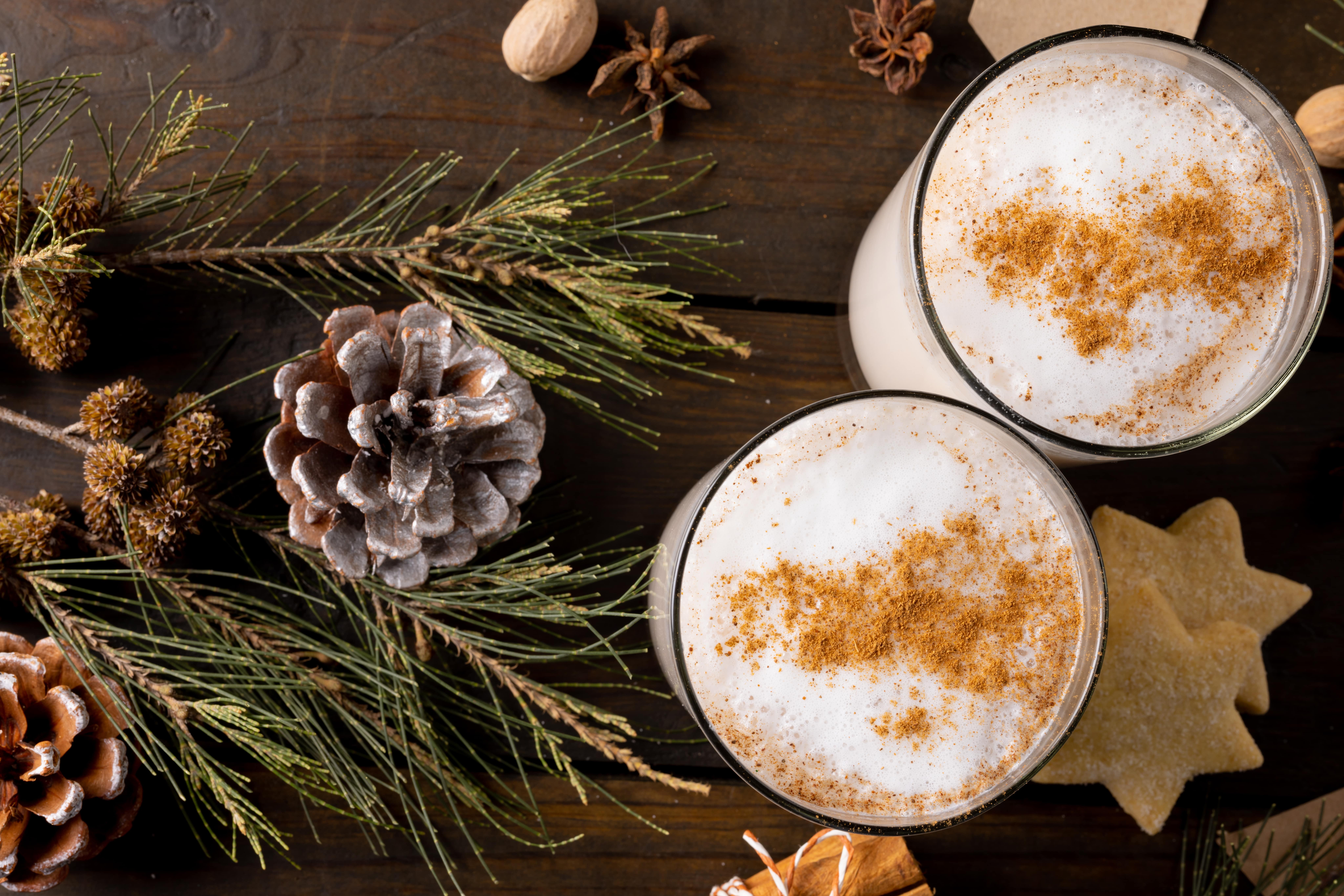
- Traditional eggnog (dairy-based): Often made with whole milk, cream, and added sugar. Many store-bought versions have 20 grams of total sugar (mostly from added sugars) in just a ½-cup serving.
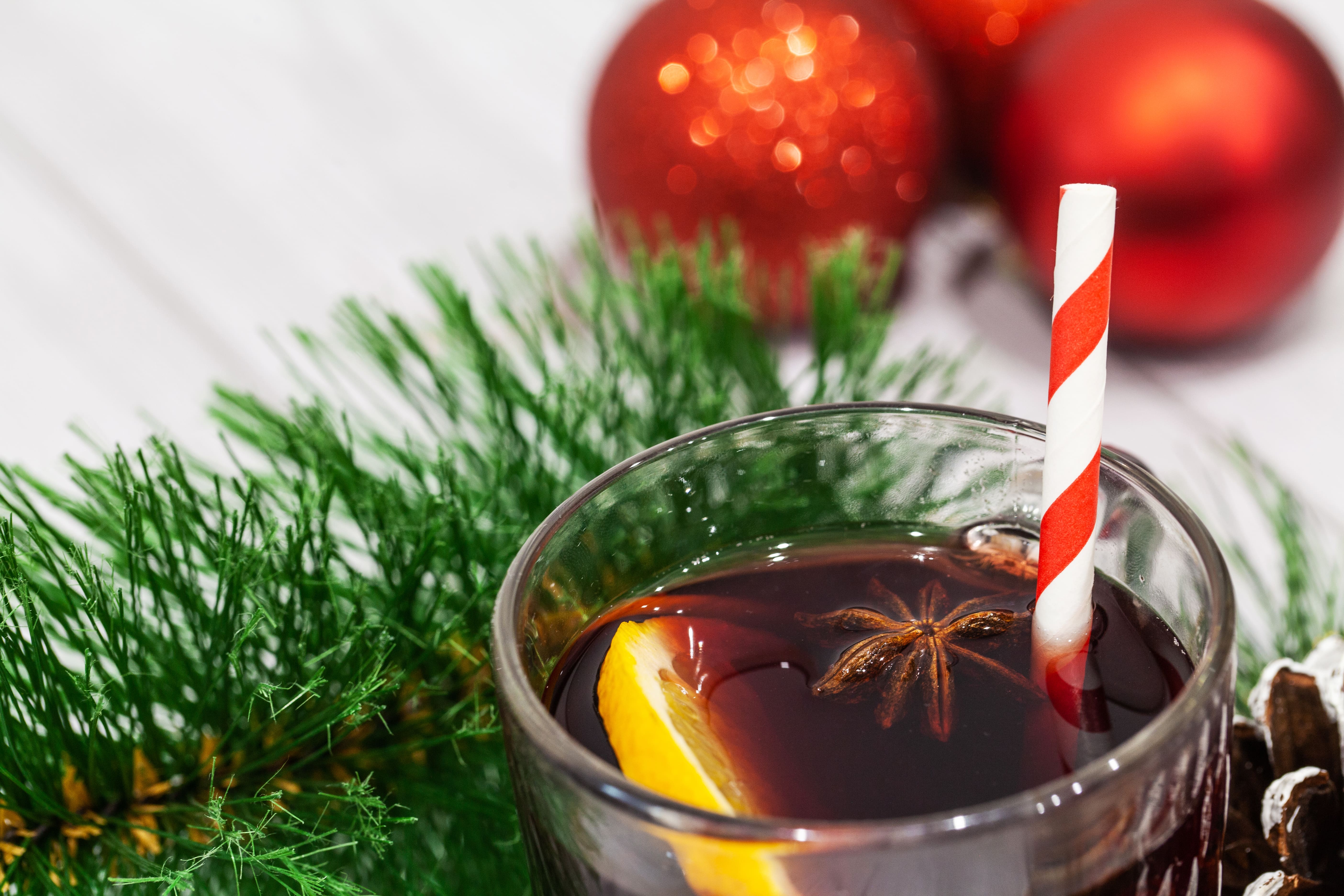
- Mulled wine: Ingredients include wine (which already contains natural sugars), table sugar, honey, or sweet liqueurs. Many recipes call for several tablespoons of sugar per bottle.
- Hot cider (mulled or caramel-style): Apple cider is essentially juice, and even without added sugar, an 8–12 oz mug can rival or exceed soda for natural sugar. Adding caramel, brown sugar, or simple syrups can further increase the total sugar content.
- Peppermint mochas and other holiday lattes: Flavored syrups, mocha sauce, and sweetened whipped cream can easily add up to 50+ grams of sugar in a 16-ounce peppermint mocha at major coffee chains.
- Creamy dessert cocktails (e.g., White Russian, Irish cream drinks): Coffee liqueur, flavored liqueurs, and cream-based mixers add significant amounts of sugar. A typical white Russian can have 10–15 grams of sugar per serving, depending on the recipe and brand.
When you add alcohol to the mix, it can impair your body's ability to regulate glucose, making it harder to respond appropriately to all the sugar in your drinks. Studies show that heavy or frequent drinking can make it harder for the body to manage glucose levels. Over time, alcohol can stress the liver and decrease insulin sensitivity.1
The Glucose-Friendly Drink Formula
If you love holiday beverages but are being mindful of your blood glucose, follow our blood-sugar-friendly drink formula that focuses on hydration, flavor without sugar, and balance.
- Use a low-sugar or sugar-free base: Swap sweetened sodas for sparkling water, probiotic sodas, or unsweetened tea. For creamy beverages, consider almond or oat milk, but look for options with no added sugar and minimal ingredients. A good option is Mooala Organic Plant Milks.
- Add festive flavor with fresh herbs and spices: Try cinnamon sticks, ginger slices, cardamom pods, fresh mint, or citrus peel.
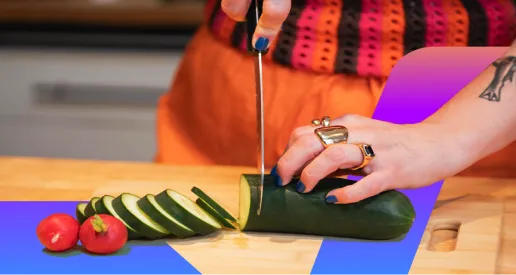
- Use whole fruit instead of juice: Muddle berries, orange slices, or pomegranate arils for subtle sweetness.
Smarter Swaps for Classic Drinks
Now that you have the basic drink formula down, here are some of our favorite low-calorie, low-sugar swaps to make classic holiday drinks more blood-sugar-friendly.
Egg Nog
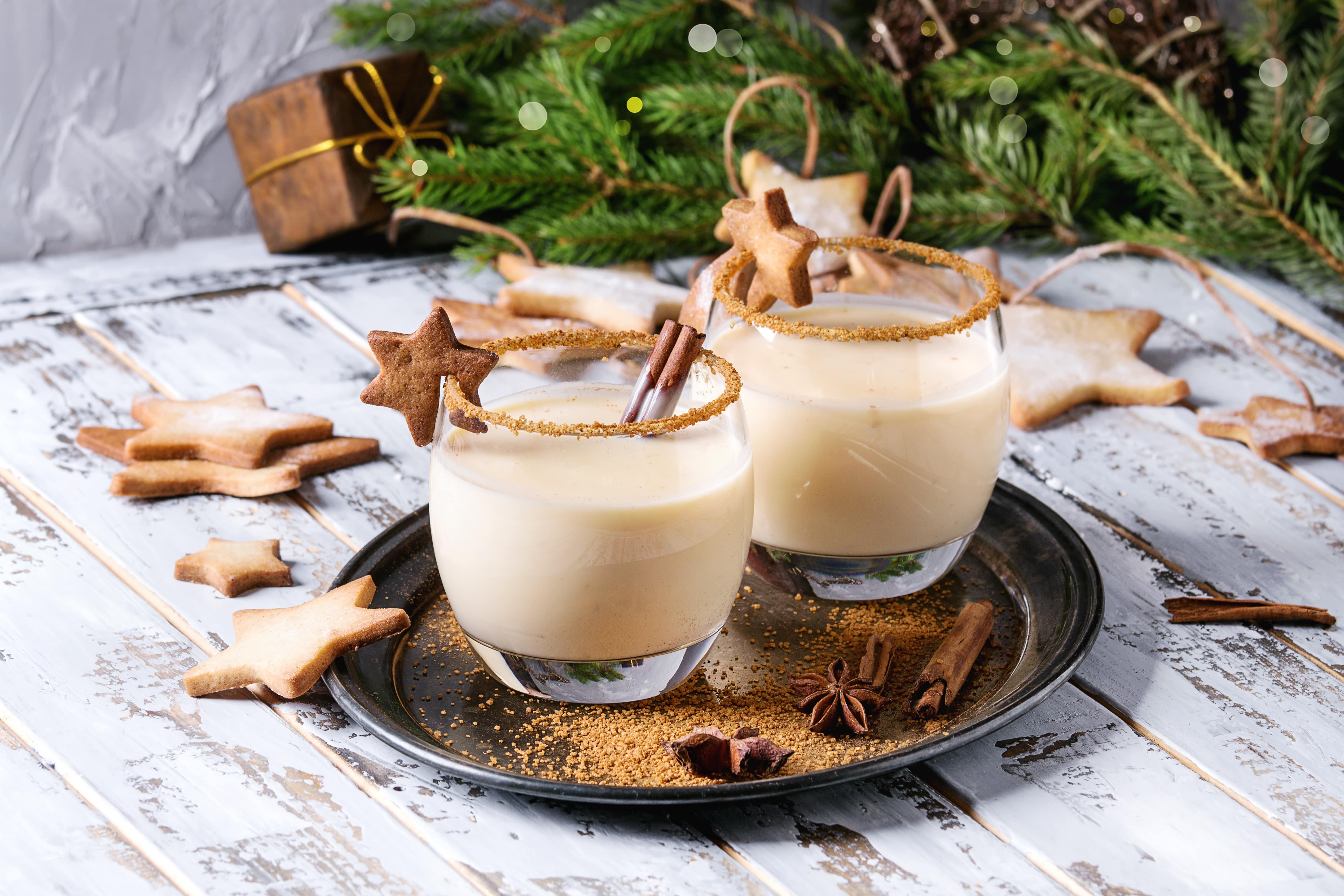
You can keep the cozy, holiday flavor of eggnog and skip the sugar. Using a glucose-friendly sweetener (like allulose, monk fruit, or stevia) keeps it sweet without the spike. Try unsweetened almond, cashew, or oat milk to cut the carbohydrates. Spices like nutmeg and cinnamon carry most of the flavor anyway, so you don’t need much sweetener to achieve that classic taste. Add a scoop of vanilla protein powder to thicken the texture and make it more filling and balanced.
Mulled Wine
Mulled wine doesn’t have to be as sugary as the traditional recipes make it. If you start with a dry red, you’re already ahead. From there, you can sweeten it without the added sugar using allulose, monk fruit, or erythritol. Most of the holiday warmth actually comes from the zest and spices, so using citrus peel and whole spices like cinnamon or cloves gives you the same cozy feel without relying on juice or added sugar. Add fresh cranberries or pomegranate arils for a festive garnish.
Cocktails
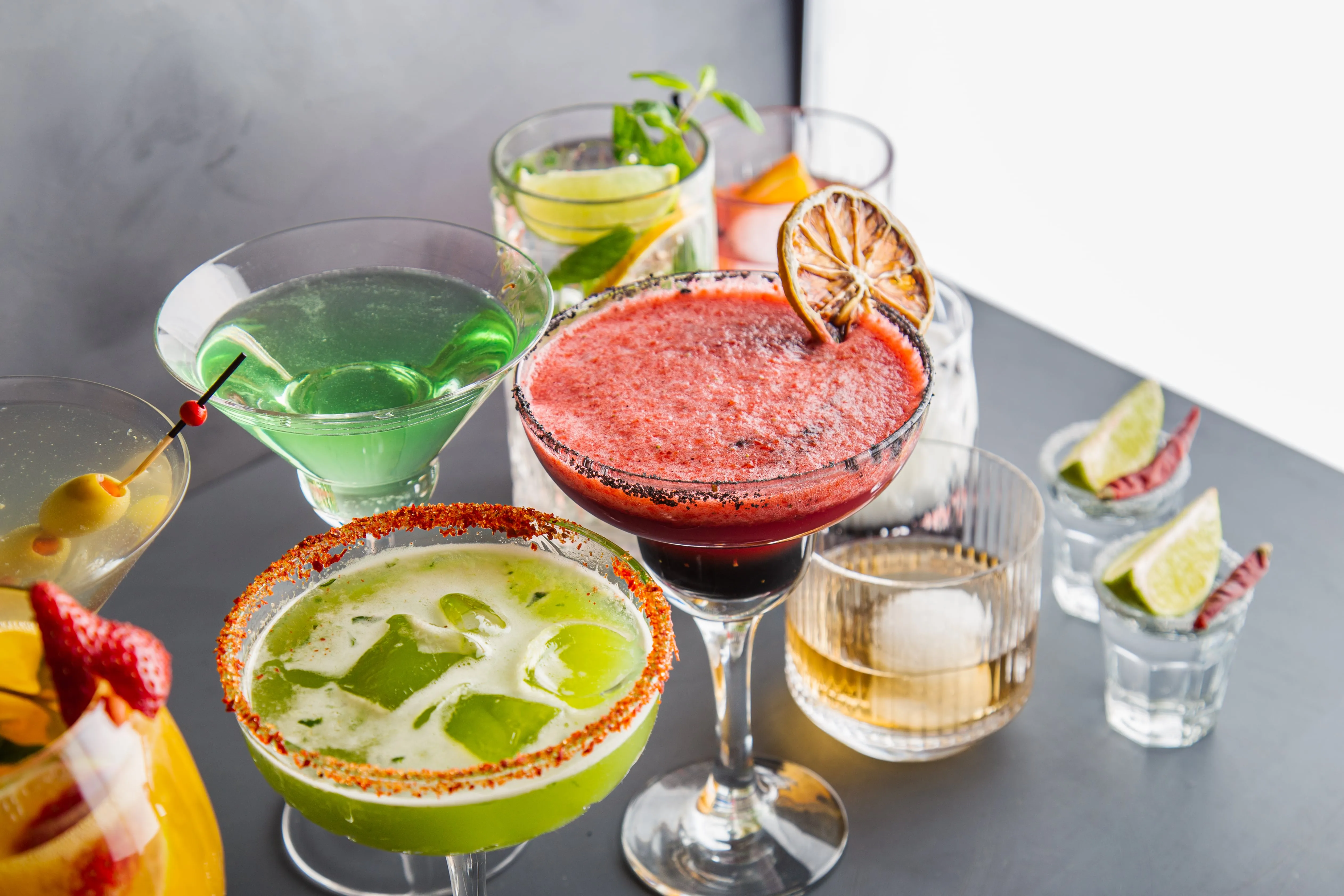
Most holiday cocktails get their sugar from what’s mixed in, not the alcohol itself. Spirits like vodka, tequila, gin, and whiskey don’t contain carbs, but once they’re paired with tonic, ginger beer, or sweet liqueurs, the drink can turn into something closer to dessert. Using club soda or sparkling water instead changes the whole picture when it comes to how your body responds. Add citrus or a splash of bitters for more flavor without syrups and mixers. A small splash of cranberry juice or pomegranate juice adds flavor without too much added sugar.
Mocktails
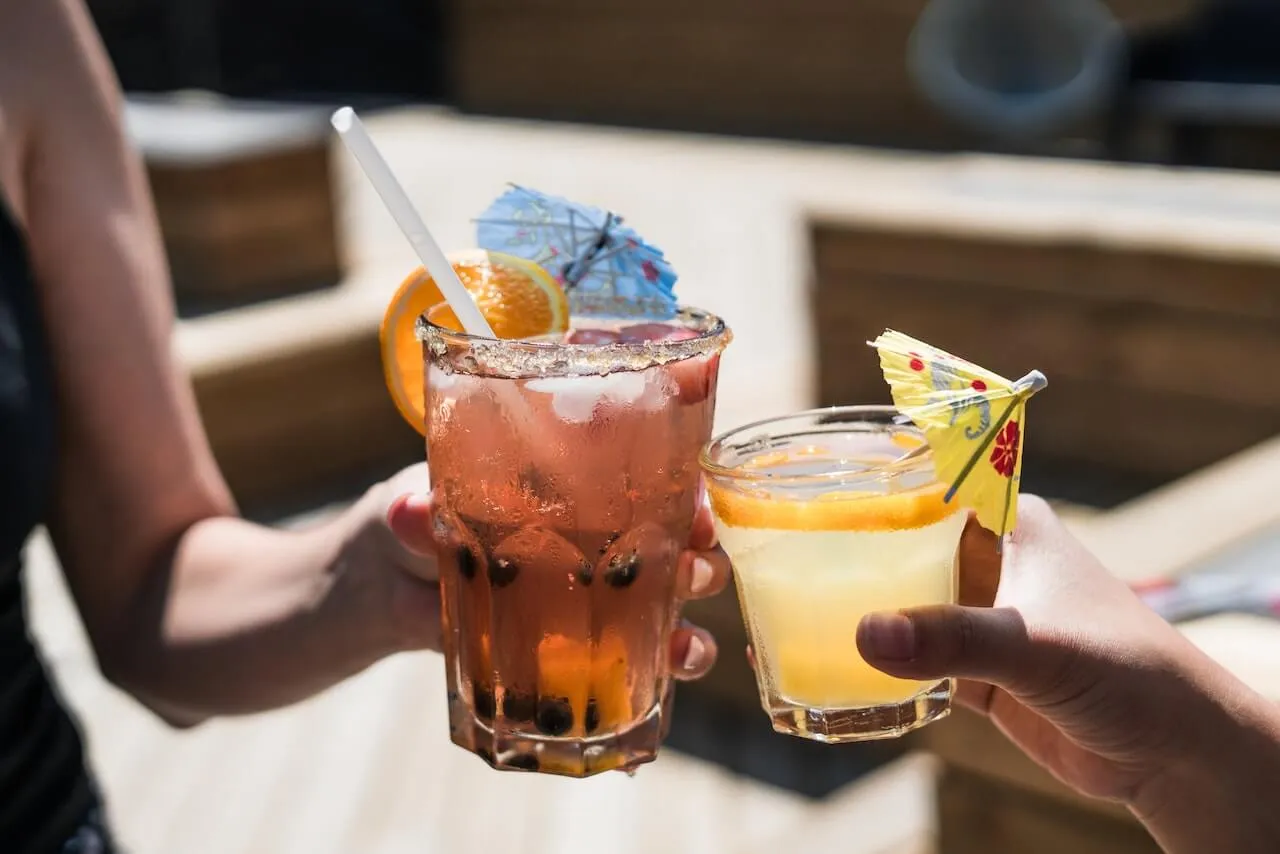
Many mocktails rely on juice to make up for their lack of alcohol. Instead of juice, use seltzer or an herbal tea. From there, you can get creative. Muddle a few berries, tear in some mint, or drop in a strip of orange peel. Even a tiny splash of 100% juice, like orange juice, can round out the flavor if you want it, but you don’t need much. The end result still looks and tastes festive, just without all the sugar hiding in the glass.
Alcohol, Insulin, and Metabolism

Alcohol influences glucose in a few different ways, and timing plays a big role. While you're drinking, the liver shifts its attention to processing the alcohol, which means it releases less glucose than usual.2 That can set you up for a drop in glucose later (hypoglycemia), especially if the drink was paired with something sugary that caused an initial spike. Alcohol also tends to fragment sleep, and poor sleep is closely tied to less stable glucose levels the next day.3,4
If you're going to drink alcohol, eat something with protein, fat, and fiber before you drink to slow the rise in glucose and provide your body with a buffer against later lows. Pacing your drinks and alternating with water can also make a noticeable difference.
If you already know that you're prone to blood sugar highs and lows, it can help to enjoy alcohol earlier in the evening rather than right before bed. Giving your body time to metabolize the alcohol before you go to sleep generally leads to steadier overnight glucose levels and better overall rest.
How Signos Helps You Sip Smarter
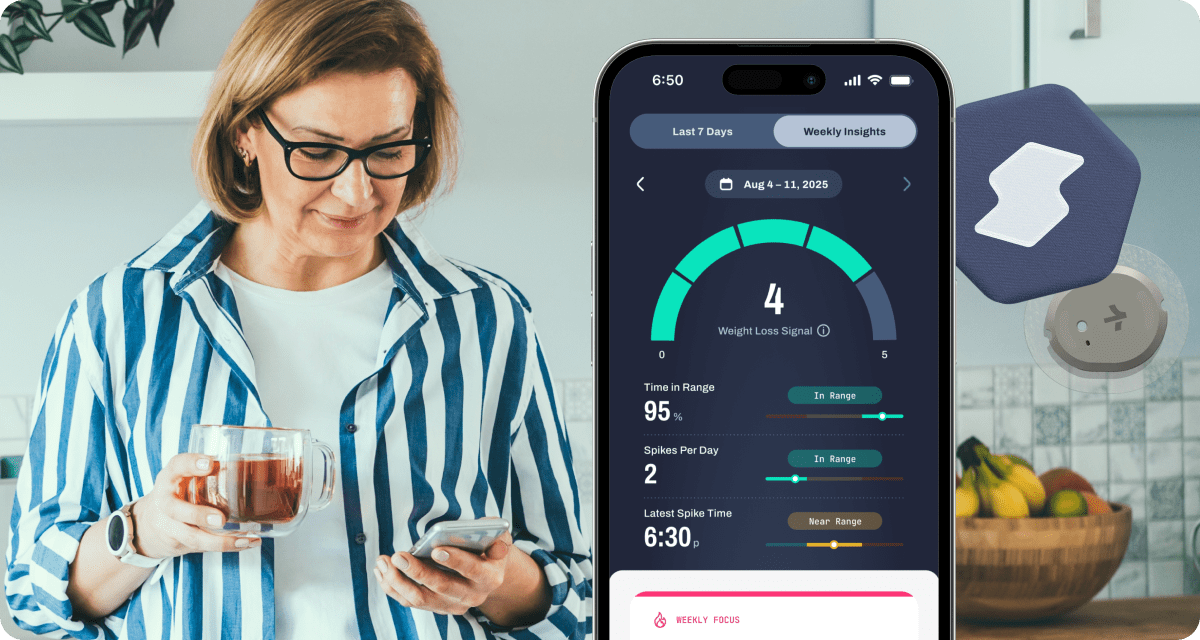
Everyone responds to alcohol and sugar a little differently, which is why it can be hard to predict how a holiday drink will hit you a few hours later. Signos takes away the guesswork. With real-time glucose data and personalized insights, you can see exactly how your body reacts to different holiday beverages.
Signos’ AI-powered feedback shows you how your glucose shifts after each drink so you can quickly spot what works for your body, whether that’s pairing alcohol with protein, choosing lower-sugar options, adding a walk between rounds, or skipping alcohol altogether.
A few easy experiments you can try with Signos:
- Compare drink types: Track how your glucose responds to wine vs. cocktails vs. beer. Many people notice wine keeps them steadier while sugary mixers send them into a spike.
- Test timing: Have the same drink on an empty stomach one day and with a protein-rich snack another day. Watch how the curve changes.
- Try a “movement buffer:” Have your drink, then take a 10–15 minute walk. Check how much this blunts or smooths your rise.
- Spot late-night disruption: Alcohol can cause delayed glucose dips or overnight variability. Use your Signos graph to notice whether a nightcap affects sleep or next-morning energy.
- Experiment with hydration: Alternate each drink with water and see if your glucose rebounds more gently.
With clear visual feedback from your CGM (like noticing a pink oversaturated spike after a sugary cocktail or a stable purple zone after a well-paired drink), it becomes much easier to make choices that let you enjoy the celebration without the blood sugar roller coaster.
The Bottom Line
You don’t have to give up festive drinks to keep your blood sugar levels balanced through the holidays. A few simple tweaks (swapping soda for sparkling water, using whole fruit instead of juice, and a little planning around food and timing) can make your favorite cocktails and mocktails far easier on your metabolism. And with Signos helping you understand how your own body responds, it’s much easier to enjoy the season in a way that feels good both in the moment and later on.
Learn More With Signos’ Expert Advice
If you’re curious about how small habits can support steadier energy, Signos has plenty of guidance to explore. You can learn more about how Signos helps improve overall health, dive into articles that break down everyday glucose patterns, and find practical ideas you can use year-round, not just during the holidays. These resources make it easier to understand your body’s signals and build habits that help you feel your best.
Topics discussed in this article:
References
- Schrieks IC, Heil AL, Hendriks HF, Mukamal KJ, Beulens JW. The effect of alcohol consumption on insulin sensitivity and glycemic status: a systematic review and meta-analysis of intervention studies. Diabetes Care. 2015;38(4):723-732. doi:10.2337/dc14-1556
- Tsai WW, Matsumura S, Liu W, et al. ATF3 mediates inhibitory effects of ethanol on hepatic gluconeogenesis. Proc Natl Acad Sci U S A. 2015;112(9):2699-2704. doi:10.1073/pnas.1424641112
- Helaakoski V, Kaprio J, Hublin C, Ollila HM, Latvala A. Alcohol use and poor sleep quality: a longitudinal twin study across 36 years. Sleep Adv. 2022;3(1):zpac023. Published 2022 Jul 6. doi:10.1093/sleepadvances/zpac023
- Kothari V, Cardona Z, Chirakalwasan N, Anothaisintawee T, Reutrakul S. Sleep interventions and glucose metabolism: systematic review and meta-analysis. Sleep Med. 2021;78:24-35. doi:10.1016/j.sleep.2020.11.035

.svg)





.svg)
.svg)
.svg)
.svg)
.svg)
.svg)
.svg)
