

.jpg)
Key Takeaways
- Cryotherapy is a powerful tool for reducing inflammation and boosting recovery, but it works best when added to a regular routine of solid sleep, nutrition, and movement.
- Research suggests that 10–20 sessions are often necessary for initial systemic adaptation, followed by a maintenance routine of 1–2 sessions per week.
- While highly effective, the extreme cold poses risks for those with cardiovascular issues or cold sensitivities; always consult a clinician and pay attention to "red flag" sensations, such as sharp burning or pain.
that {{mid-cta}}
water immersion
Are you looking to add cold exposure to your fitness routine, but don't want anything to do with dunking yourself in a cold plunge? Whole-body cryotherapy is a cold-exposure therapy that uses sub-zero temperatures to trigger a systemic response in less than 5 minutes, all within a specialized chamber. Think chilling out on a tanning bed, with emphasis on the “chilling out.”
This article defines how cryotherapy works, the potential risks, and the many science-based benefits, including its role in metabolism, weight loss, and muscle recovery. Take an opportunity to chill out and read this un-brrr-lievably fun article as you embrace the cold vibes for your metabolic health.
What Is Cryotherapy?
.jpg)
Cryotherapy is a whole-body or localized treatment that uses ultra-cooled, dry air to trigger the body’s natural healing mechanisms and "fight-or-flight" responses. In a cryotherapy chamber, you are exposed to extreme temperatures ranging from -160°F to -220°F, achieved using either liquid nitrogen-cooled air or electric systems. This brief blast of extreme cold is the catalyst for numerous physiological benefits, such as reducing inflammation, boosting metabolism, and aiding in weight loss.
How Cryotherapy Works in the Body
When entering a whole-body cryotherapy chamber, the intense cold triggers immediate vasoconstriction of our blood vessels. Scientific studies demonstrate that just a few minutes of this process leads to a 200-300% increase in norepinephrine, a hormone with strong anti-inflammatory effects in the human body.1,2
Once you exit the chamber, the body undergoes rapid vasodilation, allowing more blood flow and the delivery of nutrient- and oxygen-rich blood to our tissues. Additionally, cryotherapy has been shown to activate brown adipose tissue, which plays a role in metabolism, mitochondrial health, and long-term weight loss goals.3
Potential Benefits of Cryotherapy
.jpg)
It is valid to have a concern about sitting in these extremely cold temperatures, but this list of benefits will help you “let it go.” By understanding how cryotherapy works, you can optimize many aspects of your health and fitness:
- Reduced Inflammation: By targeting natural anti-inflammatory mechanisms, cryotherapy can significantly speed up recovery and reduce post-exercise muscle soreness.4
- Pain Management: More than just a cold pack, cryotherapy numbs nerve irritation to relieve arthritis, joint injuries, and muscle pain.5
- Improved Circulation: Increased blood flow after cryotherapy has been shown to enhance muscle function and recovery.6
- Enhanced Mental Well-Being: Between the rush of mood-boosting endorphins and the charge to the parasympathetic nervous system, cryotherapy possesses many research-backed mechanisms for increasing the feeling of “chill.”7
- Better Sleep Quality: Many have found improved sleep quality and duration after chronic cold exposure therapy.8
- Metabolic Support: “Cryotherapy metabolism” refers to the significant increase in your body’s energy expenditure as it works to maintain a stable core temperature during and after exposure to extreme cold.
- Improved Skin Health: Watch puffiness fade, skin tone improve, and eczema and psoriasis wither away with consistent cryotherapy exposure.9
Cryotherapy and Metabolic Health
The impact on metabolic health is driven by the body’s innate effort to maintain homeostatic warmth, which leads to shivering. When you engage in cold exposure therapy, the extreme drop in temperature triggers the activation of brown adipose tissue (BAT), which is rich in mitochondria and burns calories to produce heat. Luckily, this activation brings flexibility by efficiently switching between burning fats and carbohydrates.
Also, cryotherapy sessions can improve glucose uptake, potentially aiding blood sugar regulation both acutely and long-term. However, it is important to view this as a supplemental biohack, meaning cryotherapy for recovery and metabolic health works best as an additive to the foundational pillars of regular strength training, quality nutrition, and rest.13
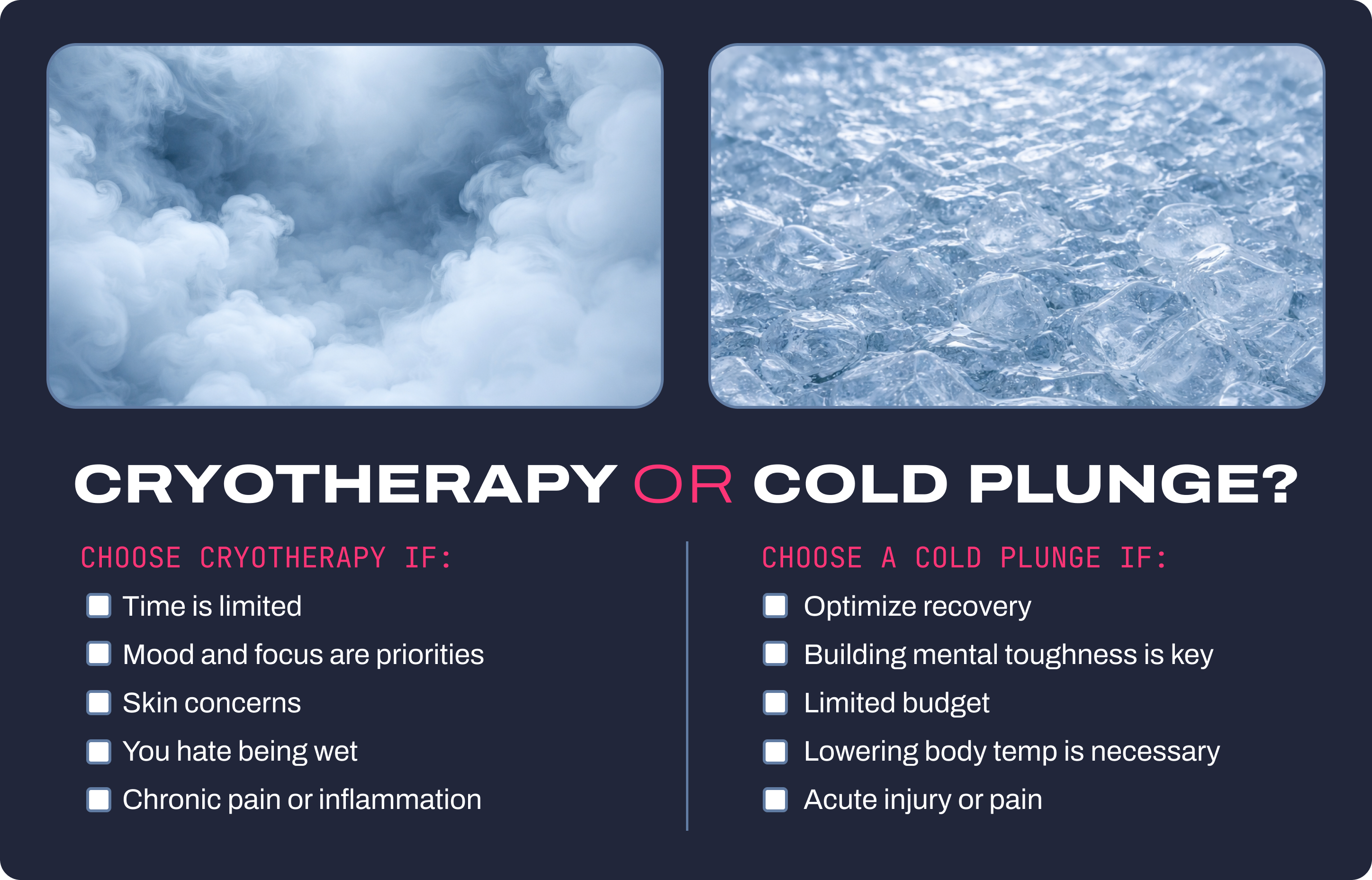
Cryotherapy vs. Cold Plunge: What’s the Difference?
While both involve frigid temps, there are differences between cold plunges and cryotherapy. Cryotherapy uses ultra-cold, dry air (reaching as low as -220°F) for a rapid 2–4 minute session that primarily chills the skin’s surface to trigger a systemic hormonal rush. A cold plunge involves total immersion in water (typically 40°F–55°F), which rapidly draws heat away from the body and penetrates deeper into the muscle tissue. Not sure which one to try?
Who Should Avoid or Be Cautious with Cryotherapy
Cryotherapy is not suitable for everyone, so be sure to understand the potential risks before signing up for that first session. Individuals with cardiovascular issues or uncontrolled hypertension should be cautious, as the extreme cold causes an immediate spike in blood pressure and heart rate.
Those with Raynaud’s disease or peripheral neuropathy should seek medical clearance first to avoid further skin damage or nerve irritation. In addition, pregnant women should get clearance from their OBGYN, as the cold can place systemic stress on the body. Always consult a clinician before starting any new health and fitness habit to rule out potential contraindications.
What to Expect During a Cryotherapy Session
.jpg)
Here are a few tips on what to expect before you go to your first cryotherapy session:
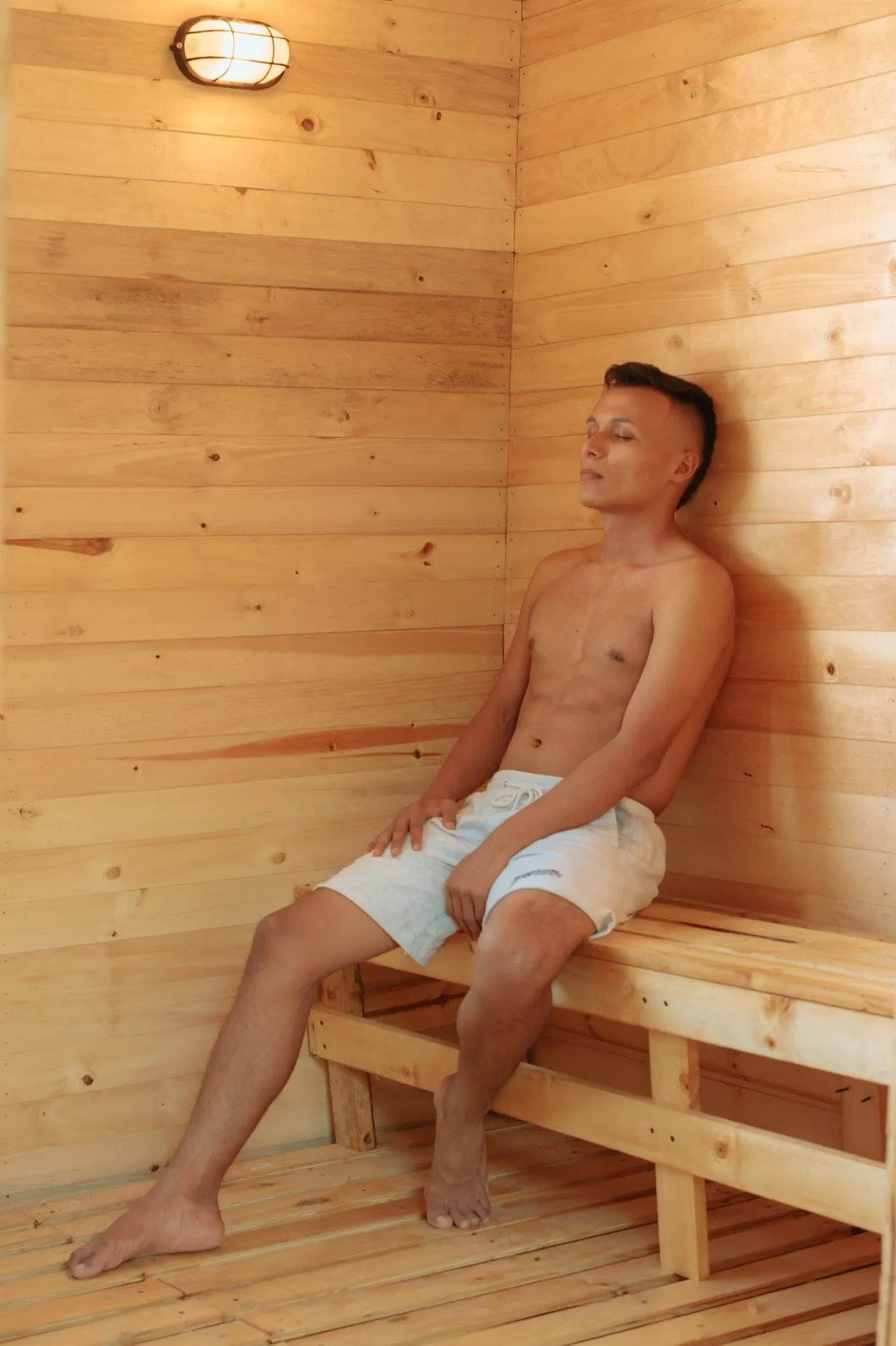
- Attire: Wear minimal clothing (undergarments/swimsuit) to expose the skin; the facility typically provides gloves, socks, slippers, and ear protection.
- Duration and Temps: Expect a 2–4 minute blast of dry air between -160°F and -220°F. A technician will monitor you the entire time.
- Normal Sensations: Intense shivering, "pins and needles" tingling, and pink/flushed skin afterward are very normal reactions.
- Red Flags: Notify the tech immediately if you feel sharp burning, localized skin numbness, or extreme dizziness during or after your session.
How Often Should You Do Cryotherapy?
The "ideal" frequency depends on your specific goals. For recovery and managing inflammation, research finds about 20 sessions as the minimum for effectiveness, spread out over 3-5 times per week.10 If your goal is to target metabolic health and specific lipid markers (i.e., cholesterol, HDL, et.c), research finds daily cryotherapy sessions of at least 3 min lasting for at least 10 days bring significant changes.11
Always remember to listen to your body and avoid overexposure, as this can lead to diminished returns or adverse reactions.
Cryotherapy and Glucose Stability: What You Could Notice
.png)
When you get cold, your body "turns up the furnace" to warm back up, using blood sugar as its primary fuel. This process pulls glucose out of your bloodstream, leading to a temporary dip in your levels immediately after a session. In the long term, cryotherapy helps keep your blood sugar steady by lowering the physical stress and inflammation caused by hard workouts.
This makes your body more sensitive to insulin, helping prevent the sharp sugar spikes that often occur after intense exercise.14 Utilizing a continuous glucose monitor (CGM) for tracking responses pre- and post-session can provide fascinating, personalized insights into what cryotherapy can do for you.
Risks and Side Effects
Exposing the body to sub-zero temperatures is a powerful physiological stressor that carries specific risks.12 Understanding these cryotherapy risks is essential for ensuring that your pursuit of wellness doesn't result in accidental injury.
- Skin burns and frostbite
- Cardiovascular stress
- Skin irritation such as cold urticaria (hives) or temporary redness and tingling known as "pins and needles"
- Respiratory issues
- Nerve sensitivity or numbness
- Fainting or dizziness
The Bottom Line
Cryotherapy is a powerful tool for reducing inflammation, accelerating recovery, and boosting both mental and metabolic health. However, for best results, it should be viewed as a complement to foundational habits like strength training, quality sleep, and sound nutrition. By integrating consistent cold exposure with these core routines, you can unlock a more resilient body and a sharper, more focused mind.
Learn More About Signos’ Expert Advice
If you have more questions about improving your health, fitness, and nutrition, seek expert advice from a continuous glucose monitor and the Signos app. A continuous glucose monitor (CGM) can give you the insights to make smarter nutrition and exercise choices. The Signos app provides a unique, personalized program to help you reach your health goals.
Topics discussed in this article:
References
- Thoppil, J., Mehta, P., Bartels, B., Sharma, D., & Farrar, J. D. (2023). Impact of norepinephrine on immunity and oxidative metabolism in sepsis. Frontiers in immunology, 14, 1271098. https://doi.org/10.3389/fimmu.2023.1271098
- Louis, J., Theurot, D., Filliard, J. R., Volondat, M., Dugué, B., & Dupuy, O. (2020). The use of whole-body cryotherapy: time- and dose-response investigation on circulating blood catecholamines and heart rate variability. European journal of applied physiology, 120(8), 1733–1743. https://doi.org/10.1007/s00421-020-04406-5
- Peres Valgas da Silva, C., Hernández-Saavedra, D., White, J. D., & Stanford, K. I. (2019). Cold and exercise: therapeutic tools to activate brown adipose tissue and combat obesity. Biology, 8(1), 9.
- Crystal, N. J., Townson, D. H., Cook, S. B., & LaRoche, D. P. (2013). Effect of cryotherapy on muscle recovery and inflammation following a bout of damaging exercise. European journal of applied physiology, 113(10), 2577-2586.
- Garcia, C., Karri, J., Zacharias, N. A., & Abd-Elsayed, A. (2021). Use of cryotherapy for managing chronic pain: an evidence-based narrative. Pain and therapy, 10(1), 81-100.
- Utsunomiya, M., Nitta, K., Sawagichi, H., Yoshikawa, A., Karasuno, H., Morozumi, K., ... & Abe, K. (2010). Changes in blood flow, temperature and muscle endurance in association with cryotherapy. Journal of physical therapy science, 22(1), 43-49.
- Doets, J. J., Topper, M., & Nugter, A. M. (2021). A systematic review and meta-analysis of the effect of whole body cryotherapy on mental health problems. Complementary therapies in medicine, 63, 102783.
- Arc-Chagnaud C, Dugué B, Bouzigon R, Pla R, Bosquet L, D-day Consortium, et al. The effectiveness of cryostimulation exposure on sleep and recovery in male athletes: timing considerations. Eur J Sport Sci. 2024;24(12):1788–97. doi: 10.1002/ejsc.12200
- Dzidek, A., & Piotrowska, A. (2022). The use of cryotherapy in cosmetology and the influence of cryogenic temperatures on selected skin parameters—a review of the literature. Cosmetics, 9(5), 100.
- Lombardi, G., Ziemann, E., & Banfi, G. (2017). Whole-body cryotherapy in athletes: from therapy to stimulation. An updated review of the literature. Frontiers in physiology, 8, 258298.
- Lubkowska, A., Banfi, G., Dołęgowska, B., d’Eril, G. V. M., Łuczak, J., & Barassi, A. (2010). Changes in lipid profile in response to three different protocols of whole-body cryostimulation treatments. Cryobiology, 61(1), 22-26.
- Legrand FD, Dugué B, Costello J, Bleakley C, Miller E, Broatch JR, et al. Evaluating safety risks of whole-body cryotherapy/cryostimulation (WBC): a scoping review from an international consortium. Eur J Med Res. 2023;28(1):387. doi: 10.1186/s40001-023-01385-z
- Kozłowska-Flis, M., Rodziewicz-Flis, E., Micielska, K., Kortas, J., Jaworska, J., Borkowska, A., ... & Ziemann, E. (2021). Short and long-term effects of high-intensity interval training applied alone or with whole-body cryostimulation on glucose homeostasis and myokine levels in overweight to obese subjects. Frontiers in Bioscience-Landmark, 26(11), 1132-1146.
- Wiecek, M., Szymura, J., Kusmierczyk, J., Lipowska, M., & Szygula, Z. (2023). Whole-body cryotherapy improves asprosin secretion and insulin sensitivity in postmenopausal women–perspectives in the management of type 2 diabetes. Biomolecules, 13(11), 1602.

.svg)






.svg)
.svg)
.svg)
.svg)
.svg)
.svg)
.svg)
